Tab1962/Getty Images
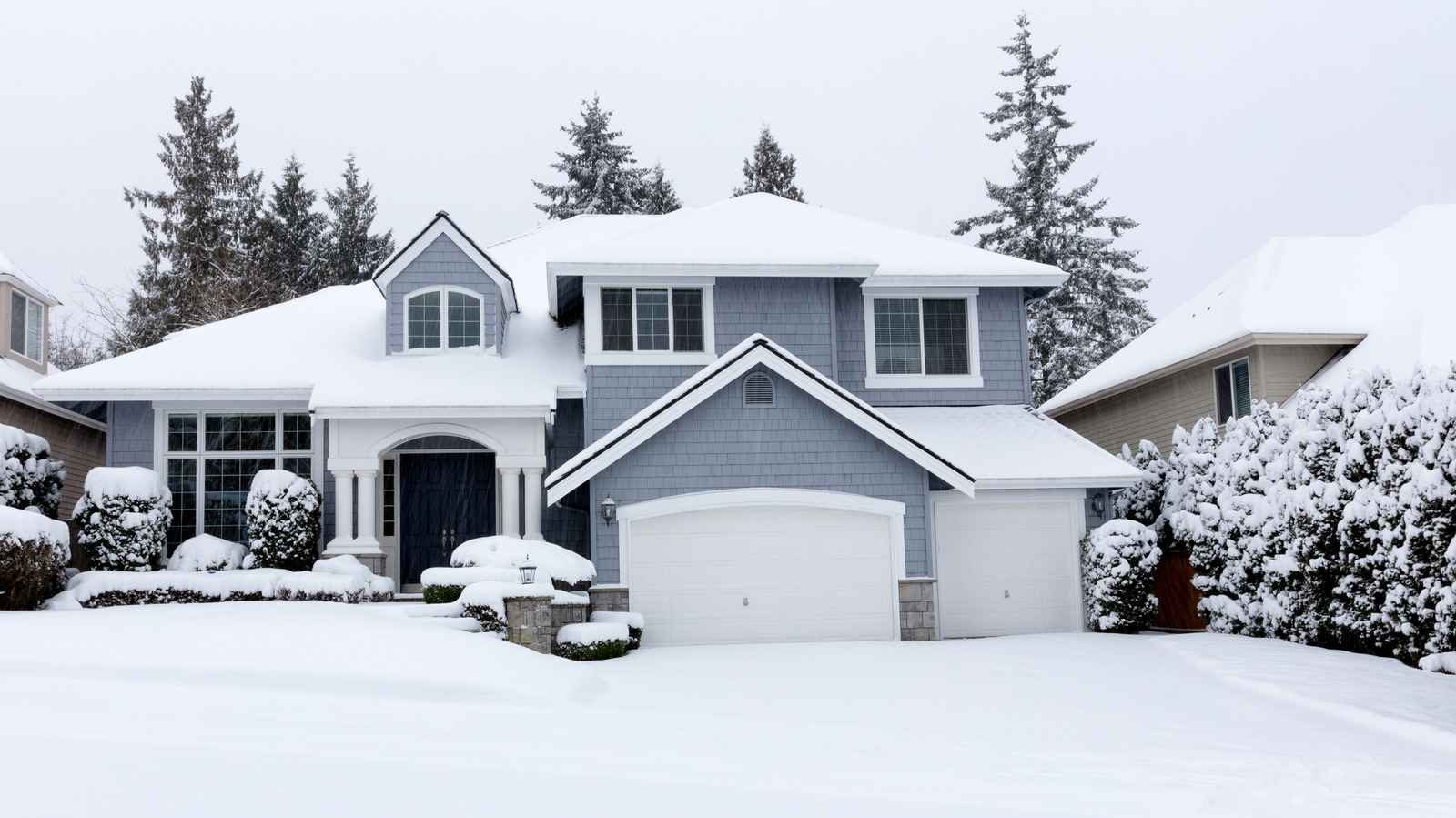
Oh boy, the winter weather sure can be a real pain, huh? From that bitter cold to the heavy snow, it’s enough to make us want to just hunker down and hibernate until spring. But if you’ve got some home projects on your to-do list, it might be best to hold off on a lot of them until the weather warms up. Trust me, you’ll save yourself a ton of headache (and money!) by waiting for the right conditions.
In this handy guide, we’ve rounded up 15 home projects that are better left for the spring and summer months. Things like painting, installing siding, laying concrete, and even putting in a new fence or pool – they all work much better when the mercury is up. That cold, wet, and sometimes frozen ground can really mess with the materials and make the work way harder than it needs to be.
Of course, if you’re lucky enough to live in a mild winter climate, then by all means, go for it! But for the rest of us dealing with the deep freeze, it’s probably best to put a pin in these projects until the warmer weather returns. Your back (and your wallet) will thank you.
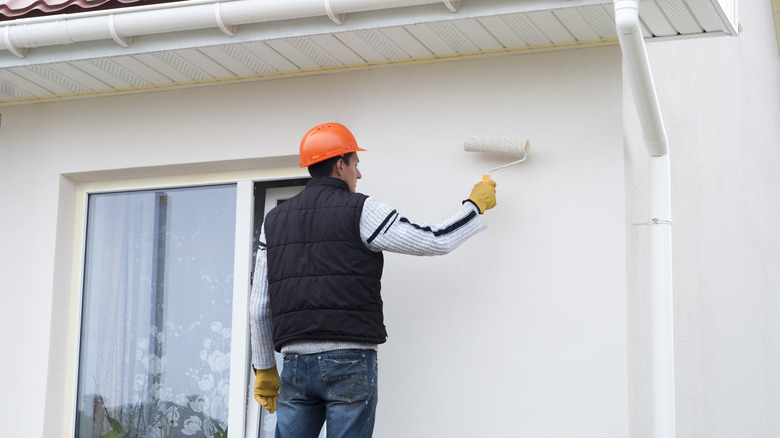
Exterior paintwork is easier to dry and cure in the spring and summer
Myrku/Getty Images
One of the best times to tackle exterior painting projects is in the spring and summer. The warm temps help the paint adhere and cure properly, instead of cracking and peeling like it can in the cold. Plus, you don’t have to worry about moisture and condensation interfering with the drying process. And if it regularly drops below freezing where you live, you could end up with paint that actually freezes before it has a chance to set!
Painting in winter is doable, but the end result probably won’t be great. You might have to strip it all off and start over when the weather warms up. Way better to just wait for those perfect painting conditions in the spring or summer.
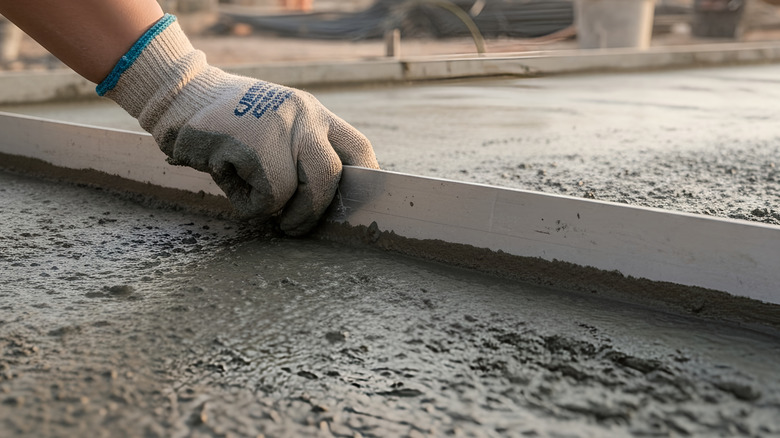
Concrete will be weaker if cured in the winter cold
Snide12/Shutterstock
Just like paint, concrete needs warmth to cure properly. Ideally, you want temps between 59-77°F. But in that frigid winter weather, that perfect curing condition is hard to come by. Even if it warms up for a bit, if the ground was recently frozen, it’ll still sap the heat from the concrete.
That means your concrete is likely to end up understrength if you pour it in the cold. You can try to get around this by using tents and heaters, but that just adds a ton of extra cost. It’s really best to wait until spring or summer when Mother Nature is on your side.
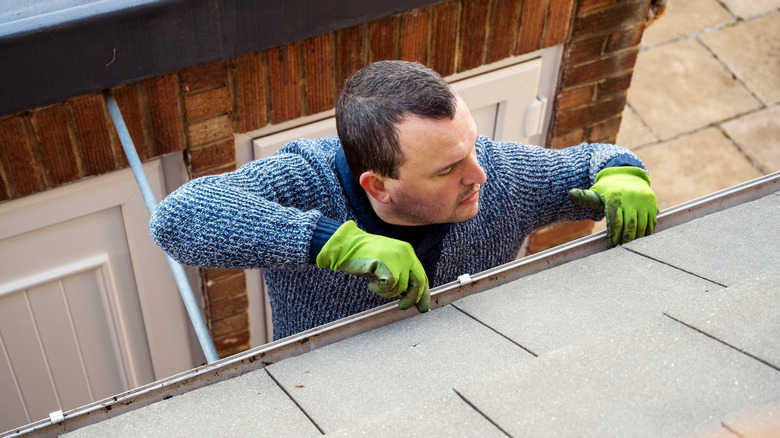
Roofing is harder and more dangerous to fix in the winter
Erhan Inga/Shutterstock
Roof work in the winter? No thanks! The materials can get super brittle in the cold, making them harder to work with and seal properly. And then there’s the safety concerns – snow, ice, and wind make it a serious hazard to be up on the roof. Sure, you could put up a scaffold, but that just adds to the cost.
Plus, if you need to remove sections of the roof, you’ll end up with an exposed house that’s way more expensive to heat until the job’s done. Nope, best to leave the roof work until the warmer months when it’s safer and easier to get the job done right.
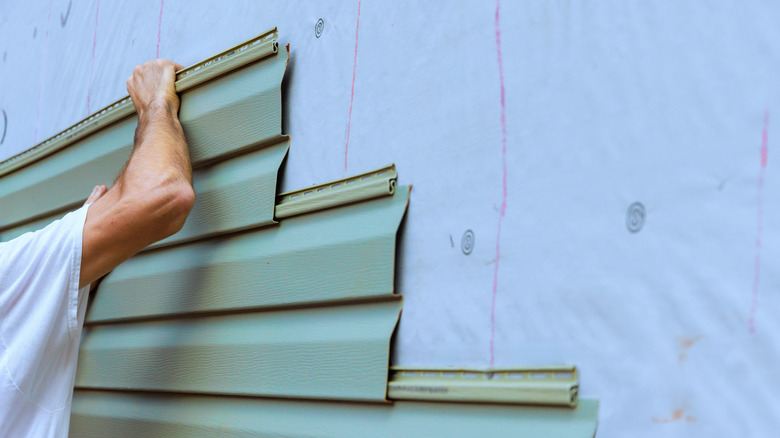
Installing and sealing siding can be harder in cold weather
Ungvar/Shutterstock
Ideally, you want to do siding work in the fall, before winter hits. But if you live somewhere with that bitter cold, the caulks and sealants might not bond properly in the frigid weather. Your siding materials could even crack and warp! And if it’s wet out, the sealants might not dry fast enough, leaving them prone to mold.
Sure, you can do siding in winter, but it’s specialist work that’s likely to cost more. Heck, some pros might even refuse to take the job if the conditions are too extreme. Your best bet is to wait until the warmer months when the materials can do their thing without a struggle.
Digging and pouring foundations for new structures is easier in warmer weather
Claudia Luna/Getty Images
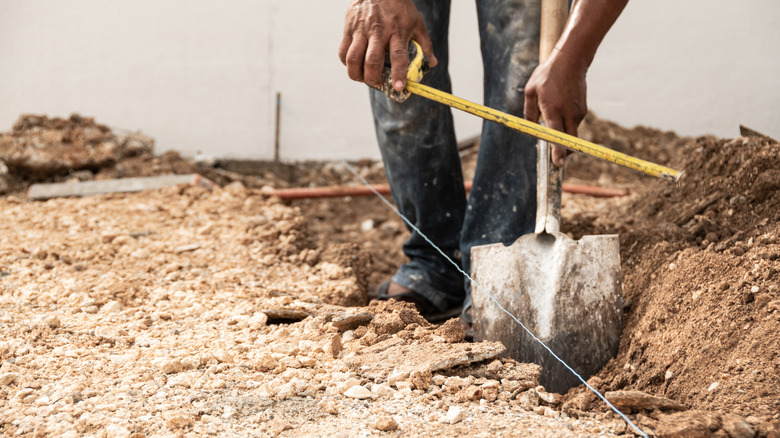
If you’ve got your heart set on a new shed, office, or pergola this summer, resist the urge to start digging those foundations in the winter. That frozen, waterlogged soil makes the work way harder and slower. You might even need to rent heavy machinery to get through it all, which will really drive up the costs.
Even if you use specialized cold-weather concrete, it’s just better to wait until spring or summer when the conditions are more favorable. That way you can get the job done smoothly and for less money.
Landscaping is a job best saved for the spring and summer
Serhiikrot/Getty Images
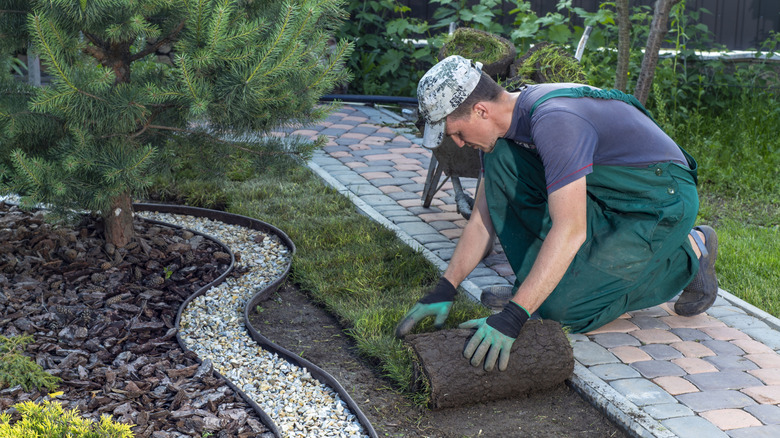
With the garden all dormant and bare in winter, it might seem like a good time to do some landscaping. But trust me, it’s a whole lot easier when things start greening up in spring and summer. That frozen ground is a nightmare to dig through, and plants are much less likely to take root when the soil is frozen.
Plus, if your yard sees a lot of rain in winter, it makes it super tricky to properly grade the drainage. Better to wait until the drier warmer months when the dirt is more pliable and plants are actively growing.
Masonry and brickwork are stronger if built in warmer weather
Katerina Dalemans/Shutterstock
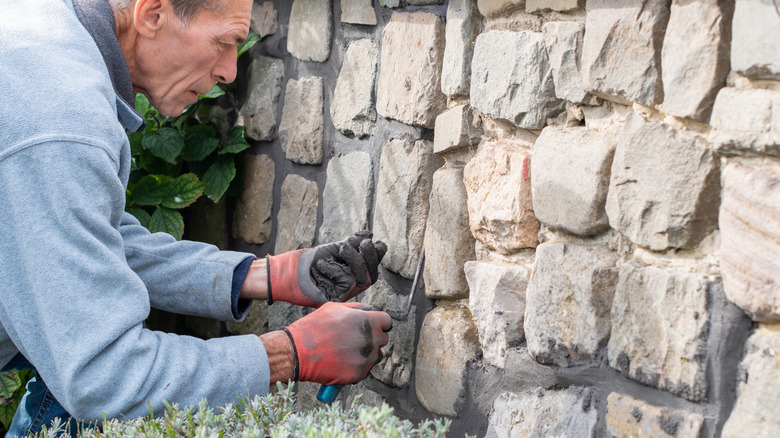
Just like concrete, the mortar used for masonry and brickwork won’t cure properly when it’s below 39°F. That leads to a weaker end result. And if moisture gets into the mortar and then freezes, it can cause cracks too.
You could try to work in a heated enclosure to get around this, but that adds a lot of extra cost. Unless you’re in dire need of the masonry, it’s really best to hold off until the warmer weather when everything will set up nice and strong.
Frosty ground makes a deck or patio installation much harder
Virrage Images/Shutterstock
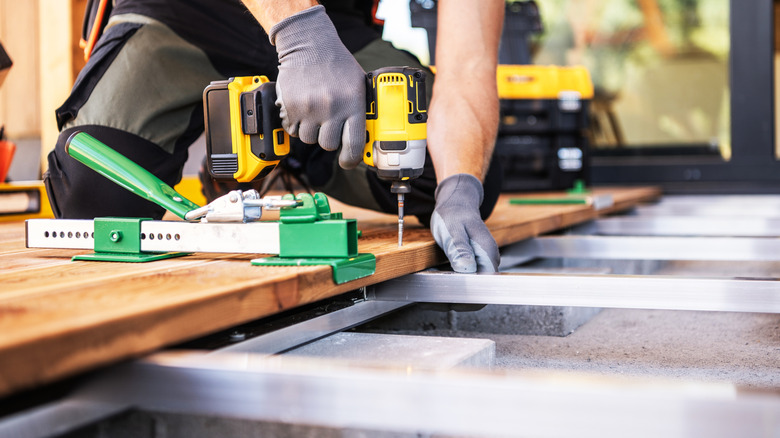
Patio and deck projects are a real pain in the winter. That frozen, wet ground makes it a struggle to dig the footings, and even if you do get them in, leveling and compacting them is way harder. You could try to work under a tent to stay dry, but that’s just adding extra cost and hassle.
Unless you absolutely need to get this outdoor space done ASAP, it’s best to wait until the warmer months when Mother Nature is on your side. That way you can get the job done easily and without breaking the bank on extra equipment.
A new asphalt driveway may not bond properly in sub-zero weather
<div class="slide-key image-holder gallery-image-holder credit-image-wrap" data-post-url="https://www.housedigest.com/2082691/home-