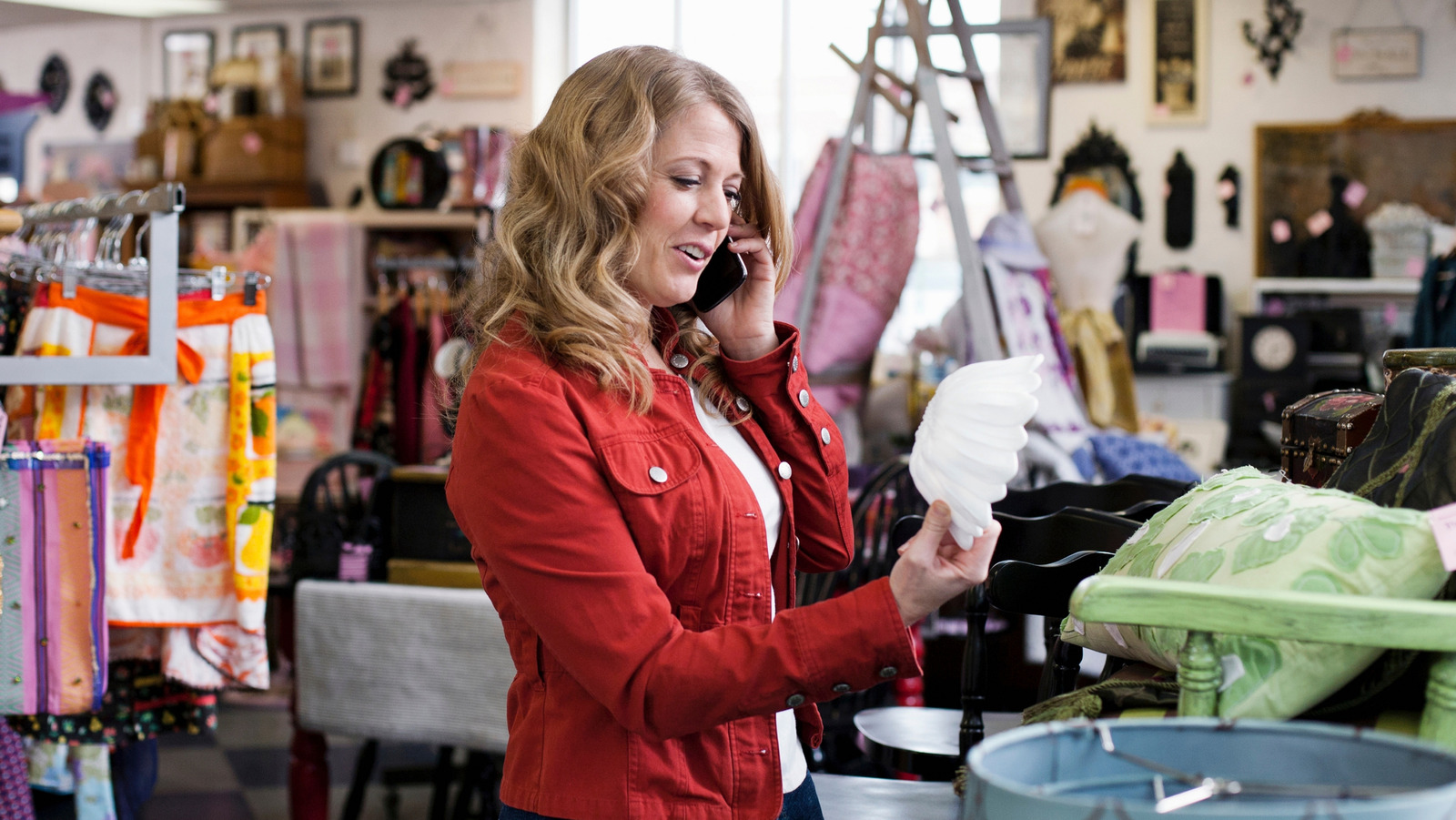
We may receive a commission on purchases made from links. For the past 23 years, I’ve been a total thrifting pro, scouring secondhand stores and reselling my finds on platforms like eBay and Poshmark. It started with used books and expanded to thrifting clothes and other goodies for myself and to resell. It’s a sweet side hustle that lets me find cool stuff I couldn’t afford at retail and earn some extra cash while indulging my love of shopping. I’ve hit up all kinds of thrift stores, not just the big names like Goodwill and Salvation Army, and I’ve picked up some super valuable tips along the way. So if you want to get the most bang for your buck on your thrifting adventures, whether it’s for personal use, DIY projects, or resale, I’ve got you covered. The key is having a plan. Knowing what you’re on the hunt for, understanding the layout of the store, and coming prepared can really boost your thrifting success. First, research the thrift store – when they restock, if they have discount days, where everything is located. Getting familiar with the store can help you uncover those hidden gems. And make sure to bring essentials like a measuring tape, notebook, and blacklight to spot any issues. Connect Images – Curated/Shutterstock
Getting to know your thrift store
 Lorado/Getty Images
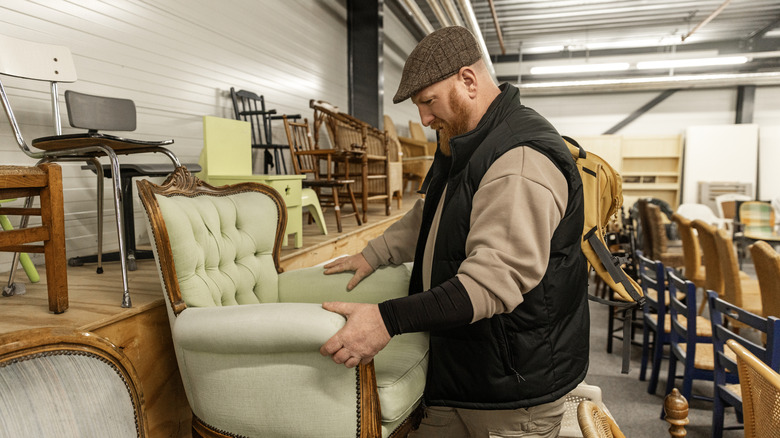
 The first thing I always do is get the inside scoop on the thrift store I’m shopping at. Do they have any discount days or senior discounts? A loyalty program? What’s the store layout like, and when do they restock? Knowing your store can make a huge difference – it helps you save money and find the best stuff. At one of my local spots, they do a big seasonal switch-up where they discount everything, then close for a few days to switch to the new season. Shopping around those times means I score killer deals.
The store layout is key too. While the sections make it easier to find what you’re looking for, items often end up in random spots. I always check the endcaps and bottom shelves – that’s where I find some of my best thrifted gems. And don’t sleep on the bagged items – those mixed bags can be a total treasure trove of small home goods, hardware, and craft supplies.
Not every deal at the thrift store is a good one
 Kimberley Spinney/House Digest
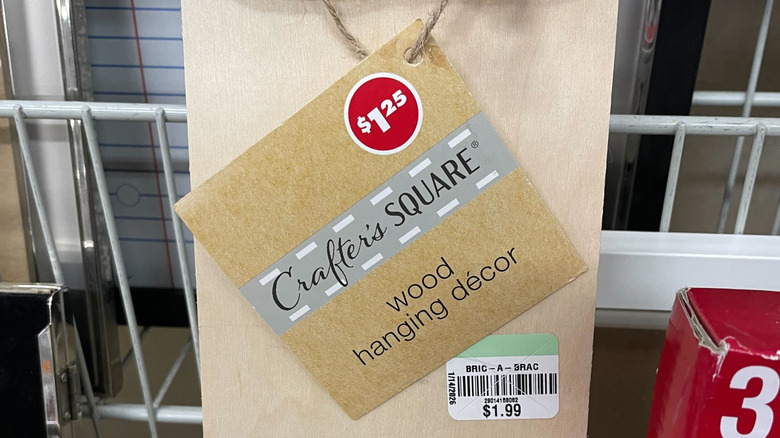
 Just because something is marked down at the thrift store doesn’t mean it’s a total steal. I’ve seen plenty of items priced higher than their original retail value, even with the original price tag still on. The thing is, not everyone working at a thrift store is an expert on pricing. And some stores will automatically price up certain high-end brands.
So before you buy, do a quick online search to check the item’s actual value. If you’re not sure what to search for, try using Google Lens for a visual search. This can give you a better idea of the going rate and if it’s really worth snatching up. And keep an eye out for any flaws or damage – sometimes you can get the price lowered if it’s not already marked as “as is.“
What to bring to the thrift store
 Erman Gunes/Shutterstock
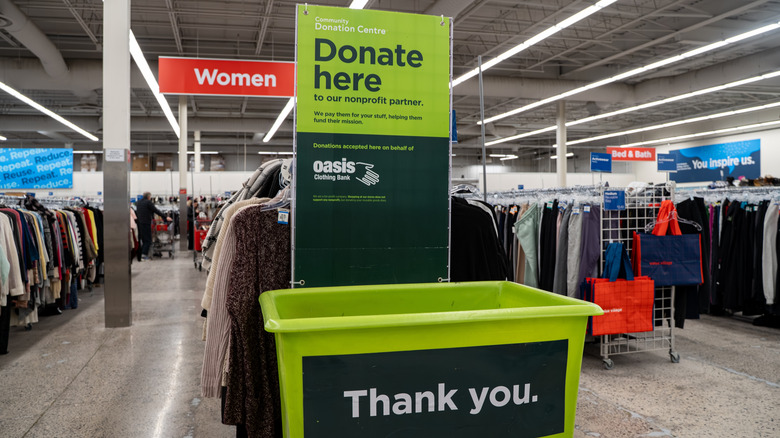
 When I head to the thrift store, I always have a few key essentials with me – a tape measure, a mini blacklight, a notebook, and a crossbody bag. The tape measure is a must, whether I’m shopping for myself or looking to resell. Knowing the exact dimensions is so helpful. And the blacklight lets me check for any hidden stains or pest issues, especially on furniture. I jot down notes in my notebook too, like measurements and item details.
I also like to shop solo. That way, I can really take my time and dig through everything without feeling rushed by someone else. Plus, I can hit the store on those special restock days or when they’re running sales, which you’ll learn about once you get familiar with your local thrift spots.