Jasen Wright/Shutterstock
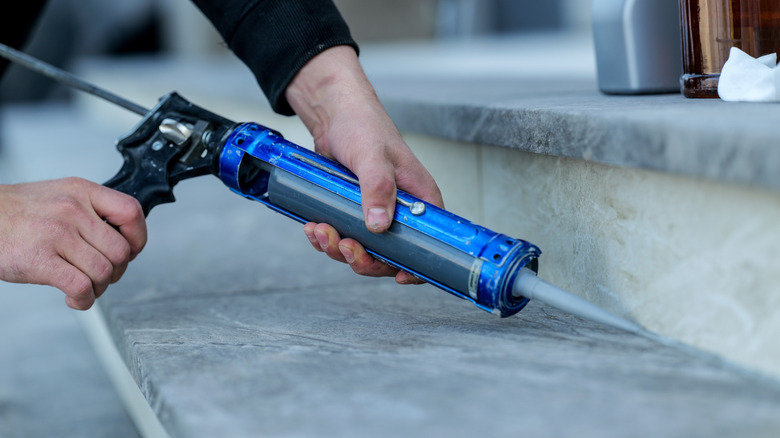
Caulk is a must-have for any DIYer’s toolkit. Whether you’re sealing gaps in trim, keeping pests out of a doorframe, or working on a tile project, this handy, spreadable material can really help you get a polished final look. But not all caulks are created equal, especially when it comes to tiling. Latex caulk may work for some tile jobs, like securing loose tiles, but it’s not made for high-moisture areas like showers. If your tiling project is in a spot that’s prone to splashes, temperature changes, or sun exposure, silicone-based caulk is definitely the way to go.
Silicone caulk, also known as silicone sealant, is super durable. There are different types, each with their own unique advantages. The right silicone caulk for your project will depend on the area you’re working in and your own experience applying it, especially if you’re planning a DIY tile job.
Siliconized acrylic latex is a nice middle ground – it’s waterproof enough for wet areas like showers, but not as tough as pure silicone. Pure silicone caulk is typically the most waterproof and durable option, making it great for tile showers and other high-moisture spots. It’s also often UV-resistant and antimicrobial. However, it can be pricier, and some beginners may find it tricky to work with. When choosing a silicone caulk, also consider factors like flexibility, curing method, and finished look. And proper application is key to getting the most out of your sealant.
Acetoxy vs. neutral-cure silicone application and curing
Anastasija Vujic/Shutterstock
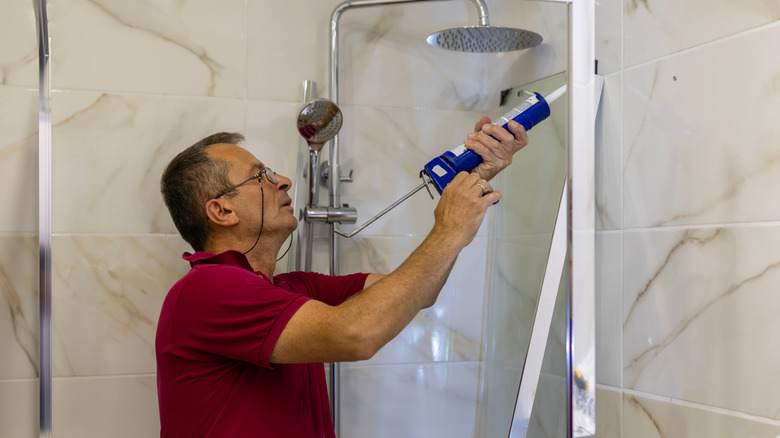
You might also hear about neutral-cure and acetoxy silicone. Both cure when exposed to air, but acetoxy is better for wet areas like shower corners. “We can get this particular [silicone type] in a number of different colors to match the grout,” explains How to Handyman on YouTube. “You’ll often find if you’ve got a grout color, there’ll be a chart somewhere in the hardware store that shows the different colors that match.” Acetoxy dries quickly, often in just 24 hours. But it uses acetic acid in the curing process, which can release an unpleasant vinegar-like smell. It can also damage some materials like natural stone and metal, but it’s great for glazed ceramic and glass tiles.
Neutral-cure silicone is safer for some materials, but it’s more expensive and takes longer to dry. The slower drying time can make it easier for beginners to work with. This type releases alcohol as it cures, so it’s practically odorless. For outdoor jobs like an outdoor kitchen, neutral-cure offers better weather resistance than acetoxy.
Modulus and durability in the final results
shine.graphics/Shutterstock
When choosing silicone caulk, the “modulus” rating is also important. This refers to the caulk’s ability to flex, expand, and contract once cured. Low-modulus caulk is more flexible, making it good for areas with extreme temp changes, like around windows and doors or outdoors. But for most indoor tile jobs, a high-modulus silicone is better. “A high-modulus silicone is one that is a little bit more rigid,” says How To Handyman on YouTube. “That’s best for working in wet areas, around showers, around baths, and those sorts of things.” The rigidity helps support vertical seams in a tile shower, even if the caulk eventually cracks.
In summary, a high-modulus acetoxy silicone caulk is usually the best bet for waterproof indoor tiling projects like showers. But make sure it’s compatible with your specific tiles and materials. A low-modulus neutral-cure silicone may work around the edges of some tile jobs, like between a bathtub and floor, but it’s not ideal for areas that need sturdy structural support.