
Your home’s value depends on all sorts of things – some you can control, some you can’t. Things like the neighborhood, school district, and local amenities affect value, but you can’t really change those. What you can focus on is the current state of your property. If it’s been neglected, it won’t be worth as much as the identical house next door that’s been well-maintained. Appraisers and real estate pros look at the bigger market conditions, but then they also factor in the nitty-gritty details of your home – the maintenance, layout, curb appeal, and so on. The more you can do to spruce up your place, the better it’ll look to potential buyers. At the end of the day, buyers want a home that’s move-in ready and feels valuable. So it’s smart to do what you can to maximize your home’s perceived worth, even if you can’t control everything that affects the price.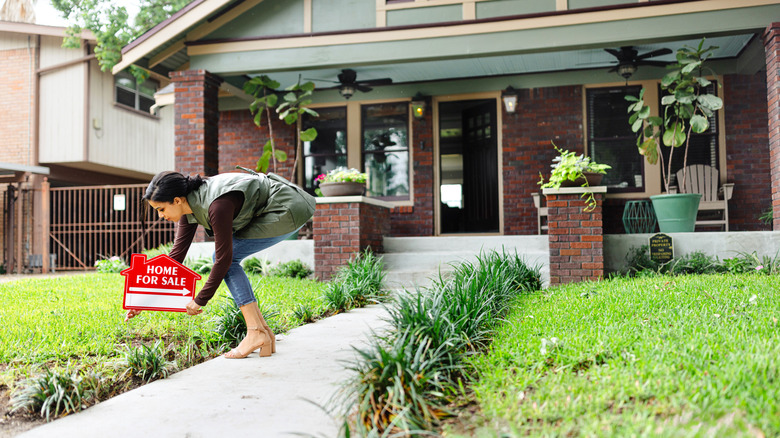 Anchiy/Getty Images
13 Reasons That Can Decide How Much Your Home Sells For
Overall market conditions and interest rates
 Elena Berd/Shutterstock
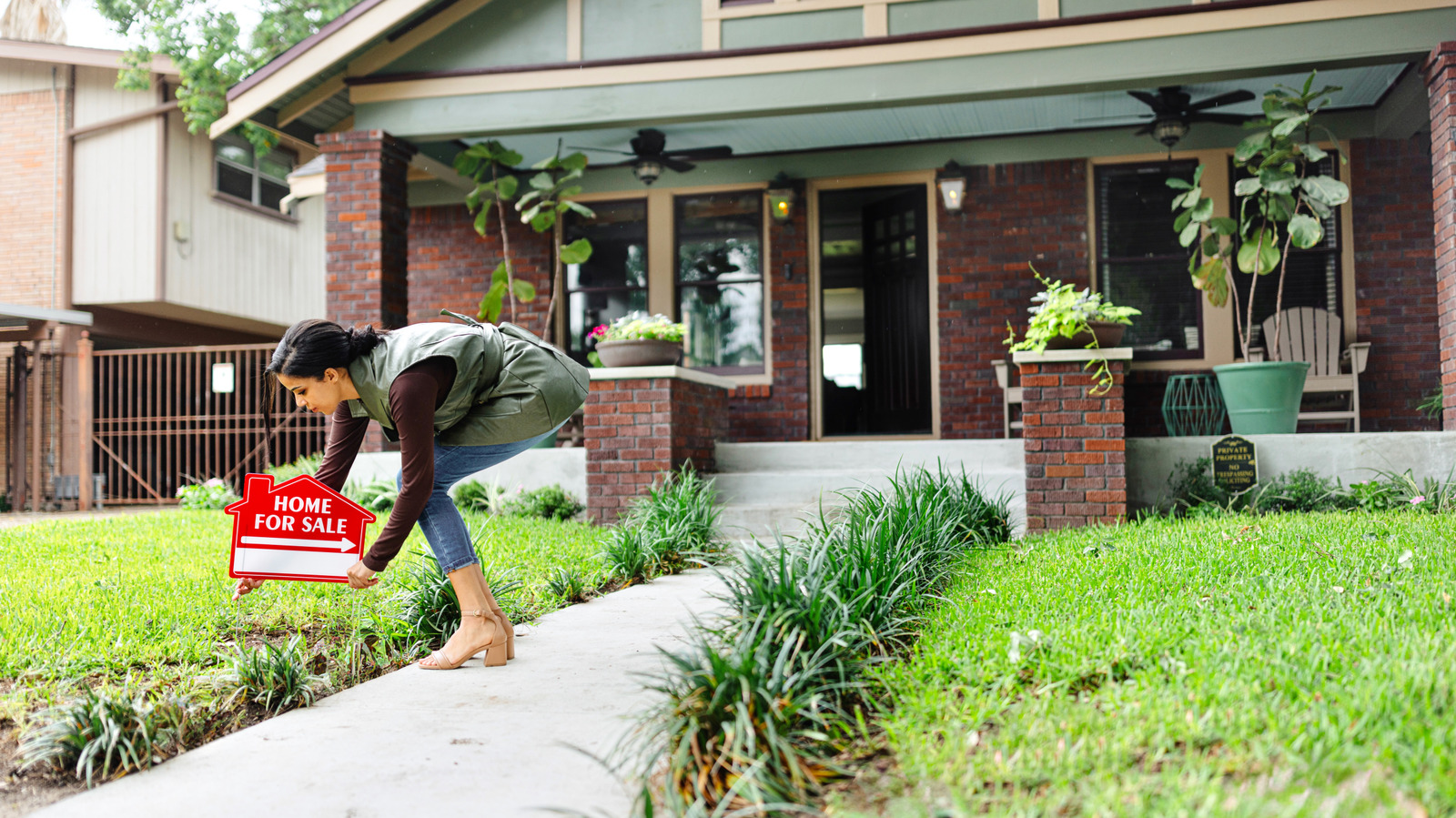
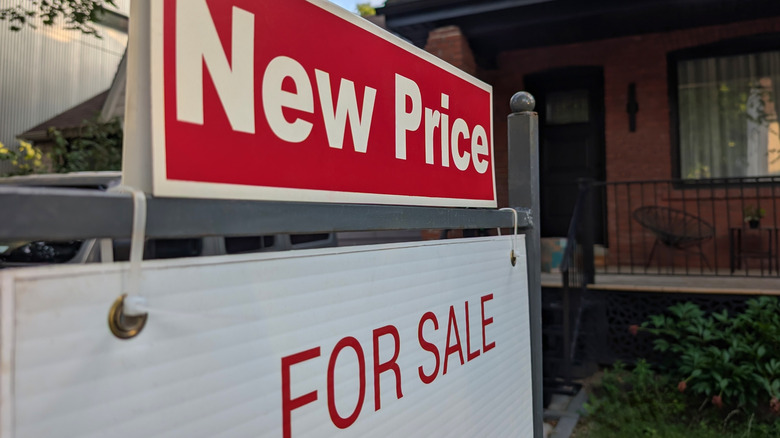
Even the most amazing home is still affected by the overall market conditions. Mortgage rates, for example, impact how much buyers can afford to spend. When rates are low, more buyers qualify for loans, and there’s more competition for homes, driving up prices. But when rates rise, the same monthly payment buys a smaller home, so values go down. The number of homes on the market also affects things – when inventory is tight, prices tend to be higher. So it’s smart to keep an eye on the local housing market before you list your place. If it’s a seller’s market, you may get a premium price. But if it’s a buyer’s market, it might make more sense to wait it out.
You can’t control the broader market, but you can decide when to list your home. And if your area is in a housing slump, holding off until things improve could be the way to go.
Neighborhood location and desirability
 pics721/Shutterstock
Location is key – it’s not just the city or county, but the specific street and block. Things like perceived safety, noise levels, nearby amenities, and the overall vibe of the area all impact home values. Quiet, tree-lined residential streets tend to be more desirable than noisy, high-traffic areas. And homes close to parks, community groups, and family-friendly activities usually fetch higher prices than places near industrial zones or sketchy commercial areas.
You can’t change your home’s location, but you can focus on highlighting the best parts of the neighborhood. Maybe there’s a great park nearby or an active community group that organizes fun events. Emphasize those positives to show potential buyers what makes your area special.
School quality and district area
 Dario Pena /Getty Images
Buyers with kids place a lot of importance on the quality of the local schools. Homes in areas with top-notch, prestigious schools tend to be worth more than similar homes in less desirable school districts. Some buyers will only look at homes within certain school zones. Strong test scores and school ratings mean parents are willing to pay a premium to get their kids into great educational opportunities.
You can’t change which schools your home is zoned for, but you can make sure your listing highlights any above-average schools or special programs in the area.
Access to amenities, jobs, and transport
 Jay_zynism/Getty Images
Buyers want convenience – easy access to grocery stores, healthcare, childcare, parks, and jobs. A long, complicated commute is a big turnoff. Proximity to public transport also boosts value, especially in cities. The sweet spot is having those amenities close by, but still being in a quiet, peaceful residential area. Work with your realtor to highlight your home’s proximity to the best local spots and downplay any major downsides, like a brutal commute.
It’s all about finding that balance between convenience and serenity.
Local zoning, planning, and future development
 Ashi Sae Yang/Getty Images
Zoning rules and local development plans can have a big impact on home values. New parks, shopping centers, or schools nearby can boost prices, but things like planned industrial areas or major roads could lower them. It’s smart to check out local zoning and hazard maps before deciding on any major home renovations. If there are big changes coming, it could affect whether those upgrades are worth the investment.
Pay attention to what’s in the works near your home. If it’s mostly positive stuff, then renovations could pay off. But if there are sketchy plans for the area, you may want to hold off on big projects.
Comparable recent sales and appraisals
 Carlofranco/Getty Images
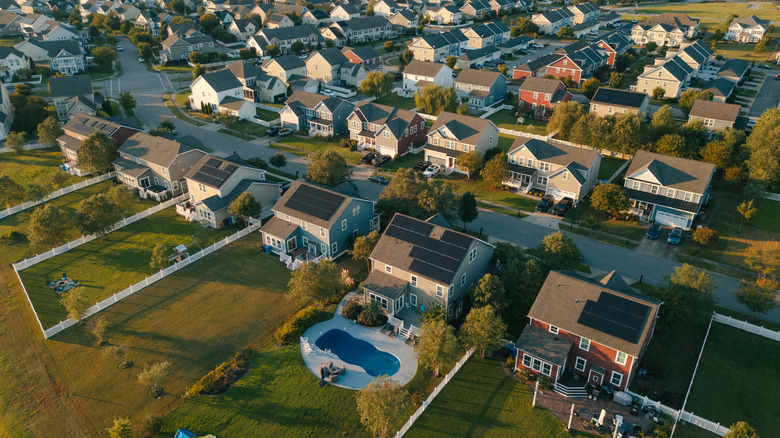
Even if your home feels special to you, professional valuations rely on recent sales of similar homes nearby. These “comps” give a data-backed picture of what buyers are actually willing to pay. Appraisers and lenders use comps heavily because it gives them a realistic sense of fair market value.
Look for comps that are close to your home, have sold in the last 3-6 months, and are similar in size, type, and quality. This helps make sure you don’t price your home way too high or low. Paying attention to comps is key to getting fair market value that buyers and lenders will feel good about.
Size, usable floor space, and layout
 Sheila Say/Shutterstock
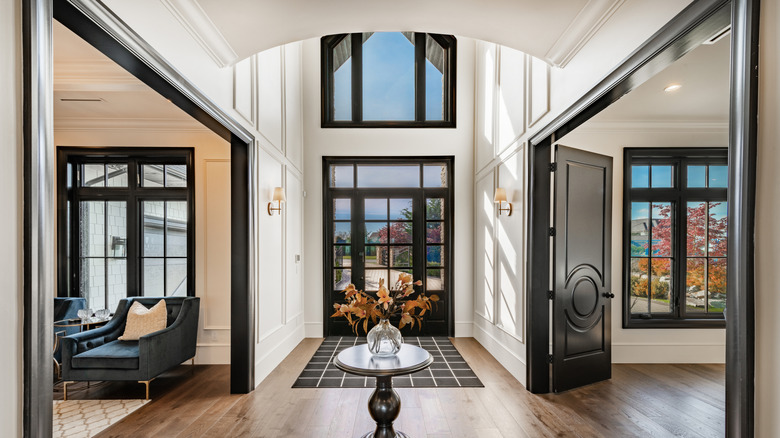
Square footage is important, but it’s not the whole story. The overall layout and how usable the space is matter just as much. Two homes can have the same total square feet, but if one has a lot of awkward, unusable areas and a strange, chopped-up floor plan, it’ll be worth less than the other one with a nice, open flow and smart storage. The outdoor space matters too – properties with simple, practical yards tend to be more valuable than ones with odd, awkward landscaping.
So it’s not just about the raw numbers, but how livable and functional the overall space feels.
Age, condition, and deferred maintenance
 Mark van Dam/Shutterstock
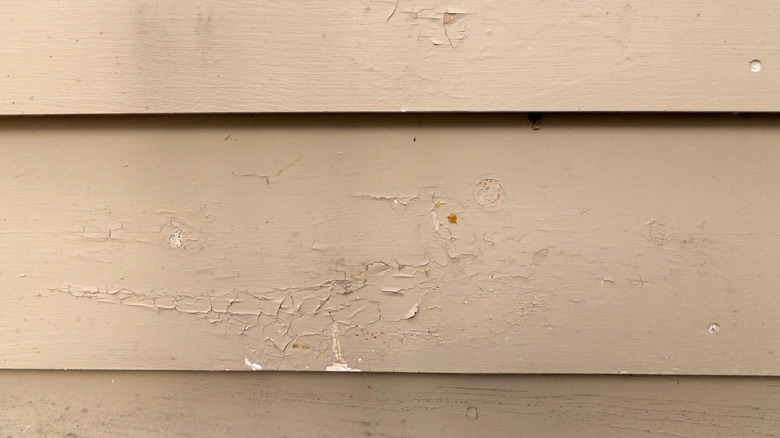
Age isn’t a deal-breaker, but the condition is huge. If you’ve let things like the roof, siding, and windows go, buyers will see that as a big turn-off. They’ll know they’ll have to sink a lot of time and money into fixing it up. Even if you’re not ready to tackle those big-ticket items, at least try to address the most obvious issues. Things like roof repairs, fixing leaks, and tackling safety hazards can go a long way in minimizing the value hit from deferred maintenance.
Inspectors will find and flag any problems, so it’s best to be upfront about them. Get an expert to help you identify the highest-impact fixes you can make on a budget.
Curb appeal and exterior upkeep
<div class="slide-key image-holder gallery-image-holder credit-image-wrap" data-post-url="https://www.housedigest.com/2086509/truth-what