Think hardwood flooring is boring? Well, if you’ve only ever come across floors made of the same equally-sized panels running in one direction, it’s understandable to see carpets or rugs as a more interesting option. But hold up! History is actually full of different hardwood patterns that are not only steeped in tradition, but also offer exceptional visual appeal for modern homes.
So, if you’re tired of hiding your boring floors under layers of stuff, why not explore some of these vintage options that can shine all on their own? From elegant chevron and herringbone styles to the intricate parquet panels first popularized at Versailles, there’s bound to be at least one pattern that catches your eye. And the best part? Many of these designs can be adapted to fit your personal style, so your home feels like a true reflection of you, not a cookie-cutter look.
Herringbone
Olejx/Getty Images
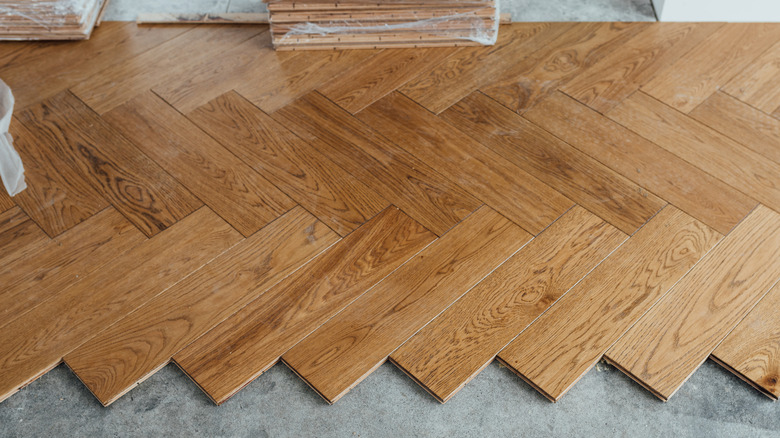
This style is named after the shape of a fish’s skeleton and was historically used in everything from Roman roads to Native American basketry. In the 16th century, it became popular as hardwood flooring. Herringbone floors are great for giving your home a unique look thanks to their angular shape and dynamic feel. Just keep in mind that it’s typically more expensive to install due to the complex fitting process. But if you love this pattern, you could use it in smaller areas like hallways for a pop of interest.
Chevron
Prady780/Shutterstock
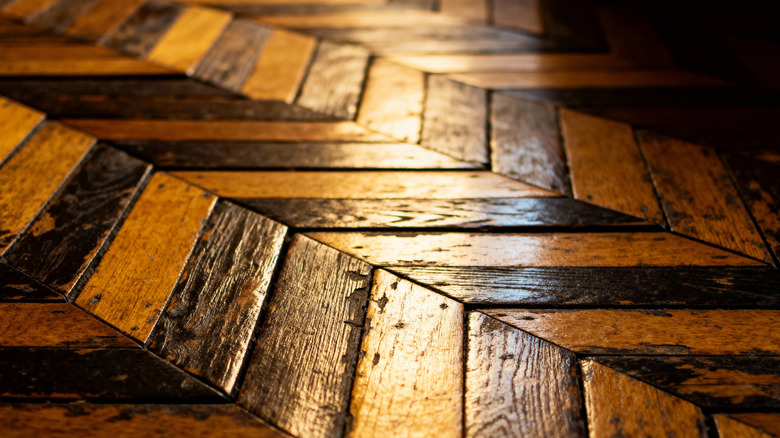
Chevron flooring – also known as Hungarian point parquet — may look similar to herringbone at first glance. But the way the boards meet in the middle rather than stacking on top creates a more streamlined effect, drawing the eye along the room and making the space feel bigger. This pattern dates back to the 16th century, but it’s still super versatile today, working well in everything from Scandinavian to industrial designs. It even suits earthy aesthetics thanks to how it highlights the wood’s natural grain.
Panel parquet
MisterStock/Shutterstock
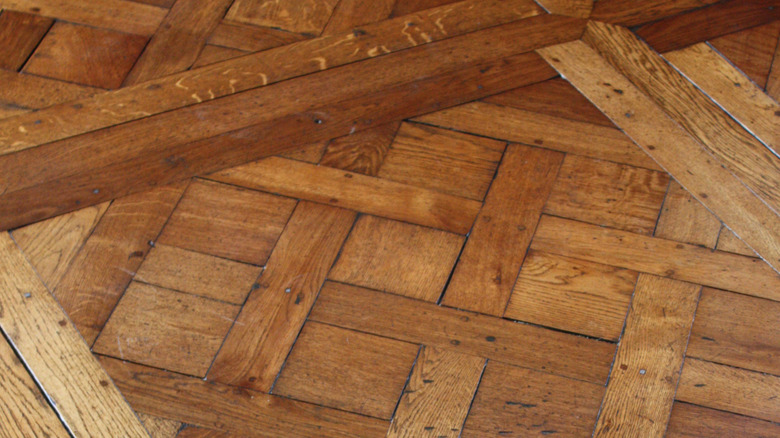
Want your home to feel as unique as the Palace of Versailles? Check out hardwood panel parquet. When the old marble floors were torn up, they were replaced by these intricate hardwood panels – and it’s easy to see why. They use a tongue and groove system to create all sorts of cool geometric designs that almost look like distinct panels. This flooring can make your space feel super personalized since you can pick a panel style that suits your tastes, like a balanced cross pattern or a natural, woven look.
Inlay
Mirjana Ristic/Getty Images
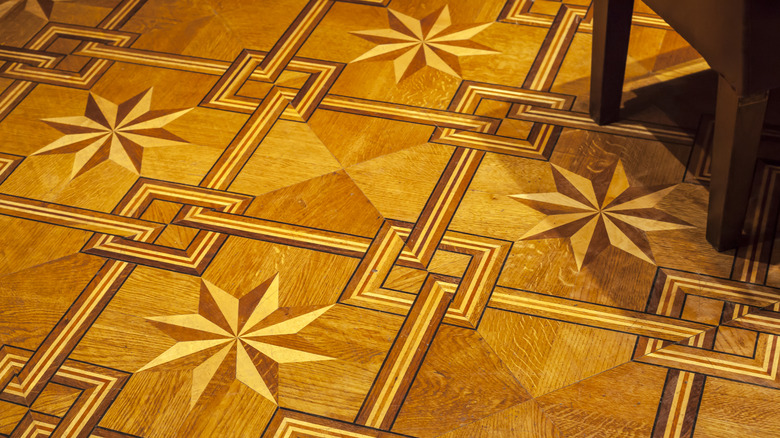
If you’re on the hunt for something truly unique, inlaid wood floors might be just the ticket. This 17th-century design uses thin strips of high-quality wood to create intricate detailing. Inlaid floors make for a stunning centerpiece, but they work best in areas that don’t get a ton of foot traffic or direct sunlight, as wear and fading can ruin the delicate look.
Diamond
Niuniu/Getty Images
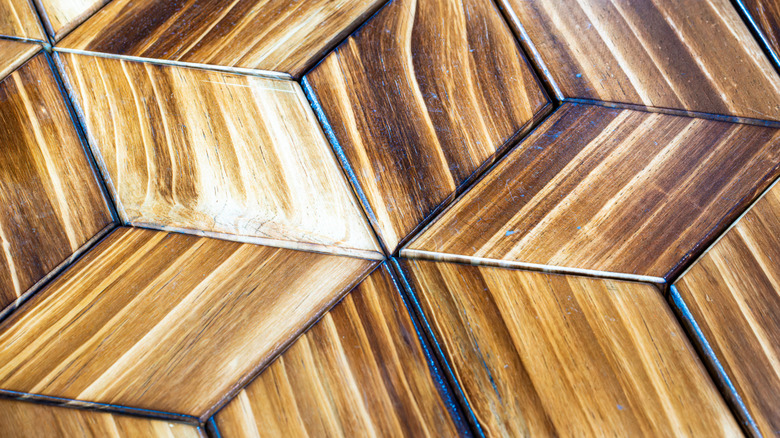
Diamonds have long been a symbol of wealth and luxury – and they also make for a seriously eye-catching floor. Diamond wood flooring uses small, angular boards in a geometric shape to add depth and sophistication to any room. You can keep it modern and clean with a single color, or get creative with contrasting shades to increase the visual interest. So while this design was popularized way back in the Renaissance, it’s still perfect for adding a personalized touch to all kinds of contemporary homes.
Mansion weave parquet
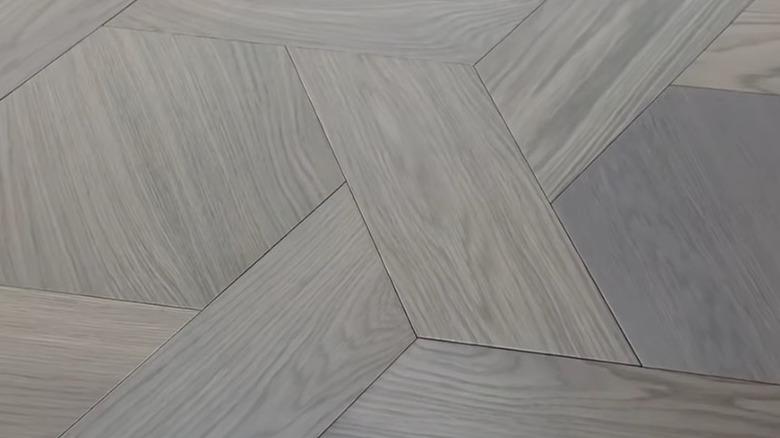
A largely forgotten type of parquet that will make you glad to rediscover is the mansion weave. This interlocking design dates back to 17th-century France, and it’s identified by planks of wood that look like they’ve been woven together around a central hexagon. The cool thing about mansion weave is that the wood grain runs in multiple directions, creating a rich, luxurious feel that’s perfect for rooms you really want to stand out.
Mixed-width
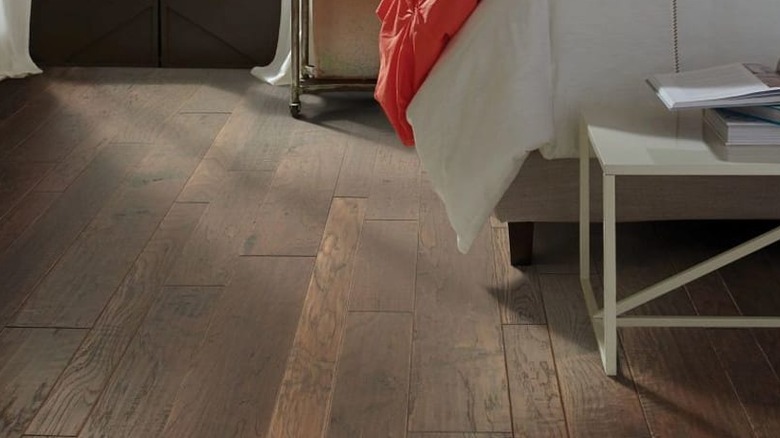
Straight wooden flooring may not seem as unique as some of the other options, but there’s a version that still packs plenty of visual interest: mixed-width. Back in the day, owners of 18th- and 19th-century rural homes had to use whatever wood was available, resulting in floors with all kinds of different widths. This rustic look can be recreated today using products like this to give your space a charming, one-of-a-kind feel.
Basket weave
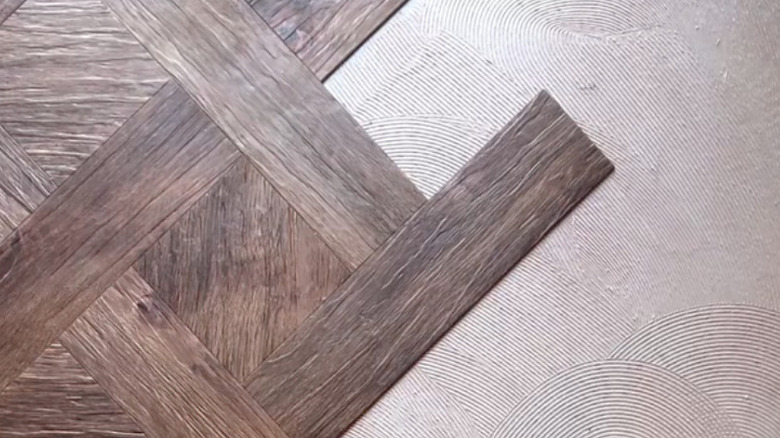
If you’re digging the mansion weave but want something a little more understated that you can decorate around, try a basket weave pattern instead. This 17th-century style uses straight wood pieces at perpendicular angles to create a simple woven effect. The basket weave is great for making a traditional home look unique while still maintaining a sense of warmth and class. Plus, due to its subtle nature, it works well in both large and small rooms.