
When you’re touring a potential new home, it’s easy to get caught up in all the nice features. But you’ve gotta look beyond the shiny stuff and pay close attention to the home’s true condition. Small issues like stains, cracks, and dampness can end up costing you big bucks down the line. Even if the place looks perfect, there might be hidden problems lurking under the surface. Older homes in particular can have lots of surprises in store. And if the home is part of a strict HOA, your options for fixing things up will be limited. The key is to keep your eyes peeled for all those little details that could turn into major headaches later on. If you spot any warning signs during the walkthrough, make sure to point them out to the home inspector. That way, you can either negotiate a lower price or have the seller fix the issues before you buy. Knowledge is power when it comes to real estate – knowing what to look for can save you a ton of money in the long run. Here are 15 things you shouldn’t overlook when buying a house. Monkeybusinessimages/Getty Images
15 Key Signs To Watch For When Getting A House That’ll Save You Tons Later

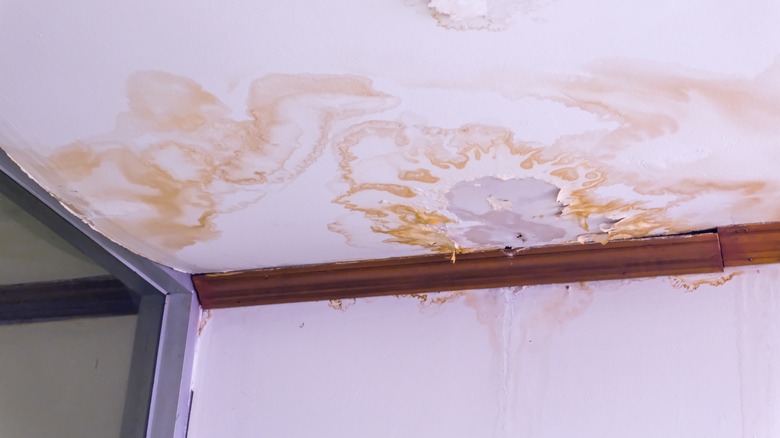
Brown stains on ceilings
 Freedom365day/Shutterstock
Those brown or dark stains up on the ceiling? That’s usually a sign of water damage. It could be from leaky pipes, faulty plumbing, roof issues, or even HVAC problems. Fixing this kind of water damage can cost you over $3,000 in many cases.
Also keep an eye out for yellow or brown stains around the corners where the walls and ceiling meet. That could mean trouble with ice dams or insulation problems, which would require expensive roof repairs. And if you see any bat droppings or urine stains, that’s a whole other problem requiring professional pest removal and cleanup, costing around $1,500.
Visible wide cracks in the foundation slab
 Chris Dotson/Shutterstock
All homes get minor cracks as the foundation settles, but big, obvious cracks in the floors, walls, or foundation are a major red flag. That could mean the house has structural issues that need expensive repairs, easily costing over $5,000.
So when you’re walking through, check the basement, garage, and anywhere else you can see the concrete. Ignore small hairline cracks, but pay close attention to any big vertical, horizontal, diagonal, or stepped cracks. Those are a sign the foundation is unstable. If you really love the place, have a structural engineer take a look before moving forward.
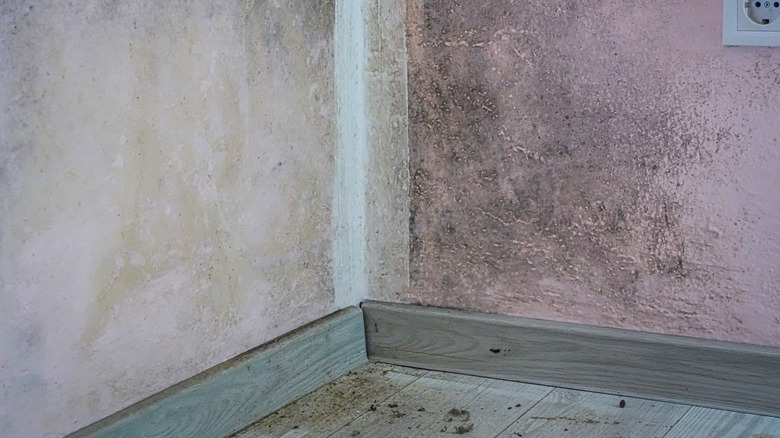
Damp spots in the basement
 Lieana Slapinsh /Getty Images
Beware of any damp or musty spots in the basement – that could mean serious water issues that’ll cost you big bucks to fix. We’re talking $5,000 or more, plus another $3,000 for mold remediation in some cases.
Look for things like rotting wood, white chalky stains, or fresh drywall that might be hiding past water damage. And if you see a black waterproofing membrane on the walls, the basement has probably flooded before. Make sure to have a pro inspect it if you decide to buy the place, and keep in mind that basement flood coverage isn’t always included in homeowners insurance.
Bulges or slants in basement walls
 Anastasia Rukynets/Getty Images
If you notice the basement walls are leaning or bowing inwards, that’s a serious structural issue. This “bowing wall” problem is often caused by too much moisture or pressure from the soil outside. Fixing it can cost anywhere from $4,000 to $13,000, depending on how bad it is. You may also need to pay for waterproofing and sump pump repairs on top of that.
Keep an eye out for any cracking or curving in the center of the walls, as that’s a telltale sign. The rest of the wall might look okay, but that bowed-in section spells trouble. Definitely don’t ignore this one – it’ll be a major headache and money pit if you buy the place.
Sagging, cracked, worn, or missing shingles on the roof
 Redtea/Getty Images
As you’re walking up to the house, definitely take a good look at the roof. Missing, cracked, or worn-down shingles are a bad sign that will cost you big time – we’re talking at least $10,000 to replace the whole roof, and that’s not counting any water or insulation damage.
Scan for any bare or patchy spots on the roof, as well as any issues with the flashing around chimneys and skylights. Older homes over 20 years old may need a full roof replacement, unless it was recently redone. Don’t overlook these roof red flags!
Negative sloping or backfilled area around the foundation

The grading around the foundation is really important. Ideally, it should slope away from the house so water drains properly. But if it slopes towards the house (negative grade) or is uneven, that could lead to flooding in the basement during heavy rains. Fixing foundation issues and waterproofing can easily cost thousands of dollars.
Keep an eye out for any pooling water, muddy areas, or spots that look like they’ve been backfilled with extra soil. That could be a sign the grading needs work. If the house has been backfilled, try to find out if that actually resolved the drainage problem or if there’s a deeper issue. You may need to install expensive French drains or retaining walls to direct the water away.
Low water pressure and quality
 Nikkytok/Getty Images
The last thing you want is to move in and find the water pressure has dwindled to a trickle. That usually means there are problems with the pipes, like corrosion or leaks, which can cost $6,000 or more to fix. It could also indicate issues with the water heater, which can set you back another $2,500 for a traditional one or $4,000 for a tankless.
So when you’re touring the house, test out the water pressure by running the shower, sink, and toilet all at the same time. Make sure the flow and pressure are strong. Any issues here are a red flag you’ll need to investigate further.
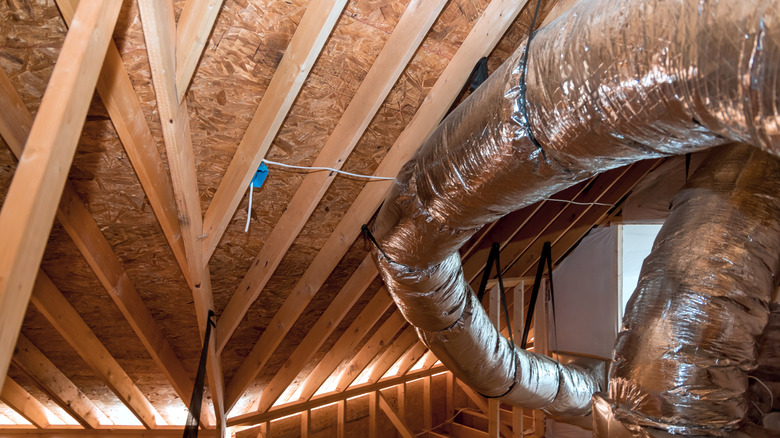
Cracks or mold on ductwork
 ungvar/Shutterstock
Related Posts

Tidy Up Your Kitchen Measuring Cups with These 11 Affordable Fixes
Jodijacobson/Getty Images We may receive a commission on purchases made from links. Oof, kitchen clutter…

Buying Socks the Smart Way to Keep Things Tidy
Icatnews/Shutterstock Doing laundry can be a real pain, especially when it comes to matching socks.…

DIY Birdhouse From Cardboard: Easy as Can Be
Yume-tabi/Getty Images Hey, with all those packages coming in these days, I bet a lot…