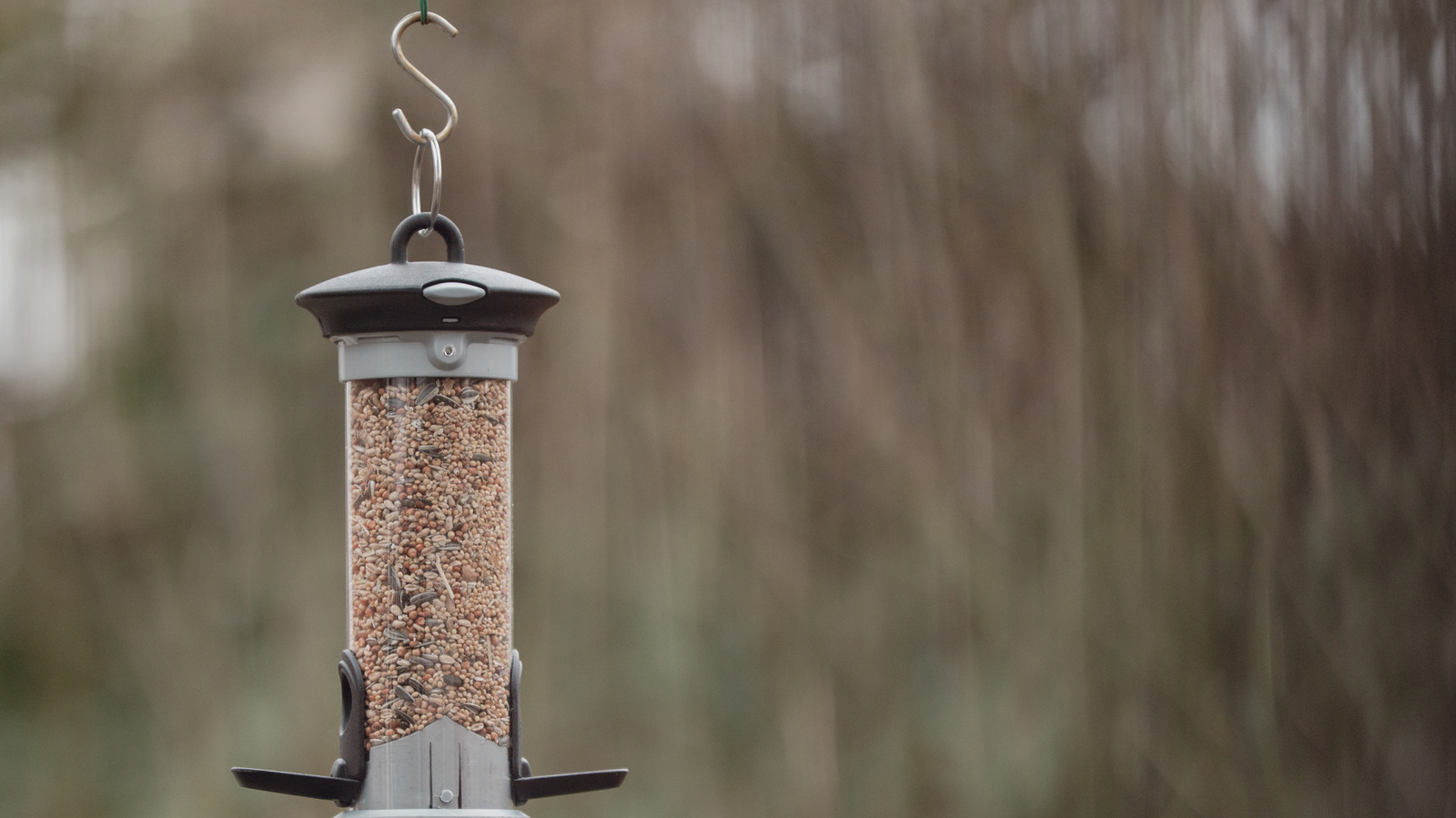
Listen, we all want our bird feeders to look their best, but using harsh chemicals can actually put our feathered friends at risk. Instead of dumping in some harsh cleaner, it’s best to stick to more gentle options like a simple soap and water mix or a vinegar solution. That way, you can keep your backyard birds happy and healthy. Now, I know it’s tempting to deep clean those feeders, especially after a spell of wet weather. But try not to go overboard – aim to give ’em a good scrub every two to four weeks, or even more frequently if things are really dirty. And don’t forget to wash your hands after handling the feeders, even if you wore gloves. Better safe than sorry! When it comes to keeping your bird feeders in tip-top shape, it’s all about avoiding those harsh chemicals. Steer clear of stuff like ammonia, bleach, and acetone – they can really do a number on your feathered friends. Stick to the basics, and you and your backyard buddies will be good to go! Dirk Hoffmann/Getty Images
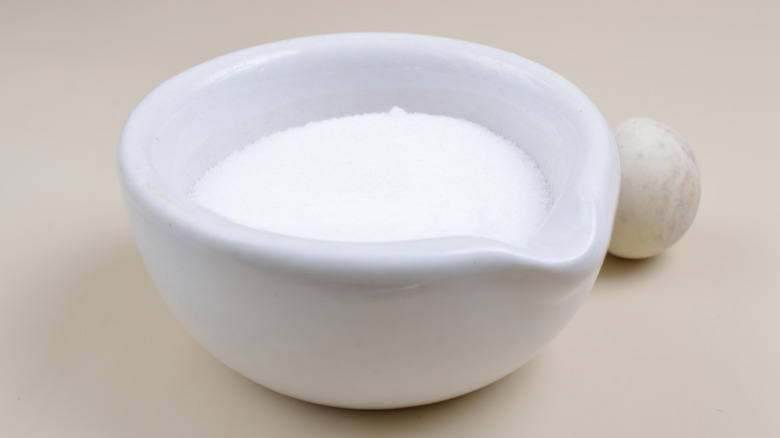
Boric acid
 spline_x/Shutterstock
Look, boric acid might seem like a good cleaning option, but it’s actually not recommended for bird feeders. While it’s not super toxic in small doses, it’s best to steer clear and find a gentler alternative. If you do have to use it, make sure to rinse and dry the feeder really well to get rid of any leftover residue.
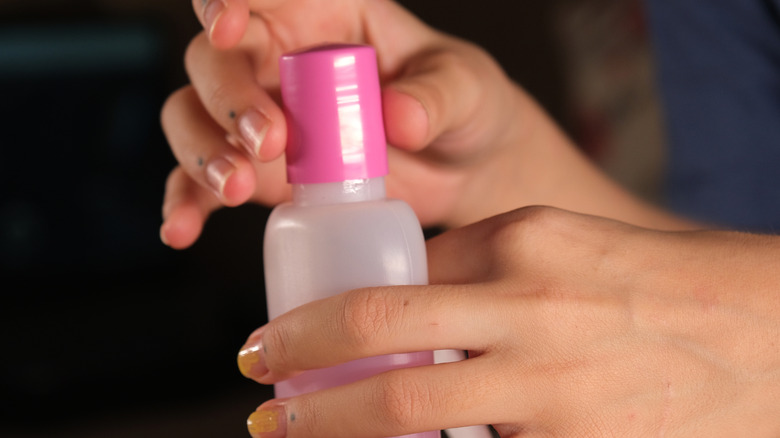
Acetone
 Honour.kn/Shutterstock
Acetone is a big no-no when it comes to cleaning bird feeders. Not only is it harmful to the environment, but it can also damage your feeder if it’s made of plastic. Let’s skip the acetone and find a safer, gentler way to get those feeders sparkling clean.
Bleach
 ZikG/Shutterstock
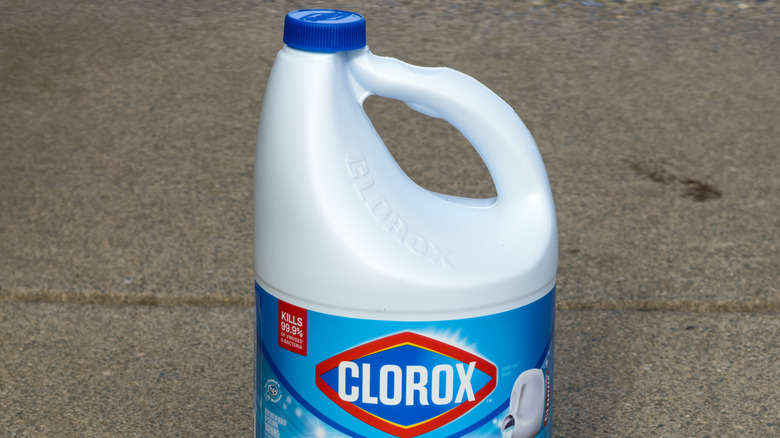
Bleach is a big no-no when it comes to cleaning bird feeders. When not diluted, it can be super toxic to our feathered friends. While you can use a diluted bleach solution (one part bleach to nine parts water), it’s generally best to avoid bleach altogether and opt for a milder cleaner. Gotta keep those backyard birds safe and healthy!
Detergent
 Evgenyrychko/Shutterstock
Detergent might be our go-to for cleaning around the house, but it’s not the best choice for bird feeders. These harsh chemicals can actually be harmful to our backyard friends. Instead, stick to good old-fashioned soap and water. And if you’ve already used detergent, make sure to rinse that sucker down really well before letting the birds back in.
Pine oil
 Madeleine_steinbach/Getty Images
While pine oil might seem like a great way to tackle bacteria and mold, it’s actually not the best choice for cleaning bird feeders. Those essential oils can be pretty harsh on our feathered friends, especially their delicate respiratory systems and skin. Let’s play it safe and stick to gentler options.
Chlorine
 George Tsartsianidis/Getty Images
Like bleach, undiluted chlorine is a big no-no for bird feeders. But you can use a diluted solution – just mix one cup of chlorine with one gallon of water. Just make sure to rinse it off really well so there’s no leftover residue that could harm the birds.
Ammonia
 ZikG/Shutterstock
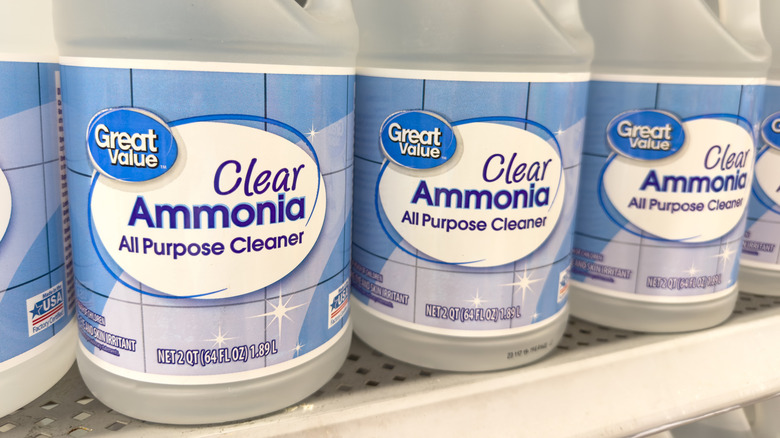
Ammonia is a big no-no when it comes to cleaning bird feeders. Not only is it super harsh on human skin and eyes, but it can also be really toxic to our feathered friends. Plus, it can even damage the feeder itself. Let’s keep the ammonia far away and find a gentler way to get those feeders spotless.
Clorox wipes
 Brett Hondow/Shutterstock
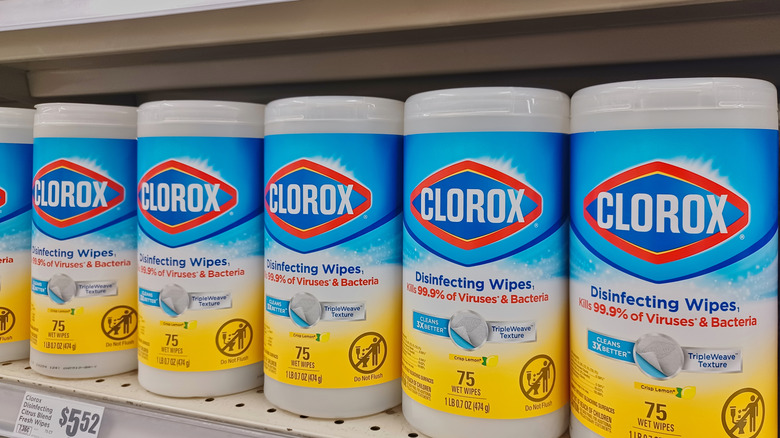
Clorox wipes might seem like a quick fix, but they’re actually not the best choice for cleaning bird feeders. Like bleach or chlorine, those wipes can leave behind a nasty residue that could be harmful to our backyard buddies. Let’s stick to a simple soap and water solution instead – safer for the birds and easier on the environment.
