
DimaBerlin/Shutterstock
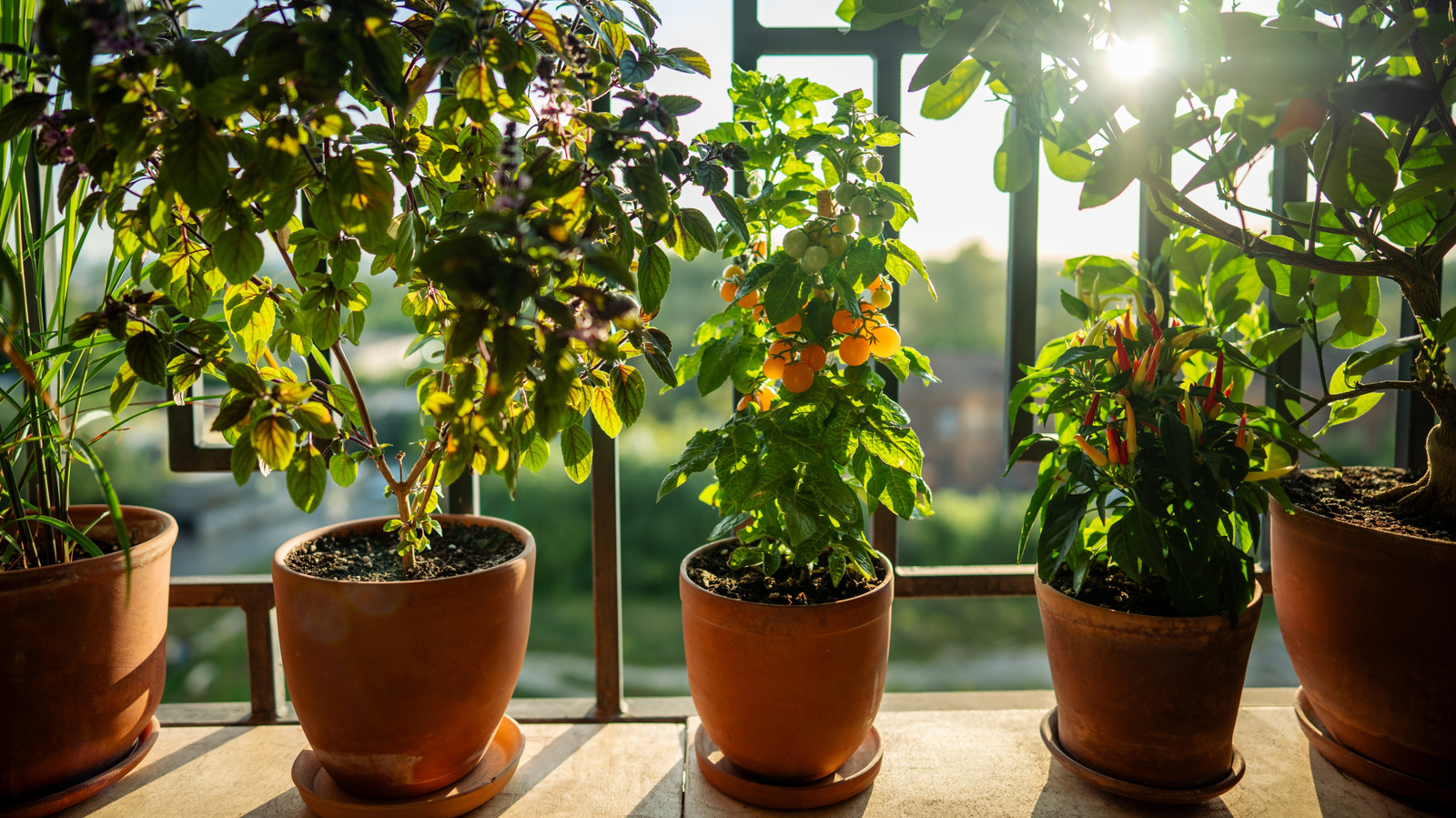
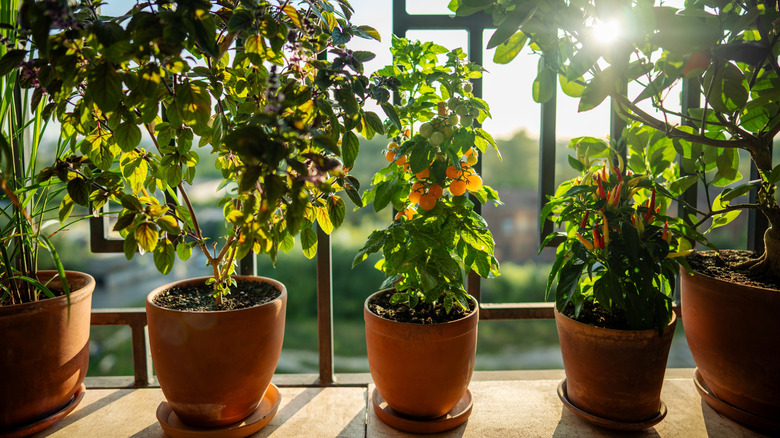
Having your own little citrus garden is so rewarding! Just imagine the amazing scent of fresh citrus blossoms or picking ripe fruit straight off the tree. Unfortunately, not everyone has the space for a huge 25-foot tree. Luckily, there are lots of dwarf and semi-dwarf citrus varieties that stay compact when grown in pots. These plants are grafted onto special rootstocks that limit their height, but they still produce full-sized, delicious fruit.
The compact size of these dwarf citrus trees has a bunch of great benefits. They mature faster than regular trees, sometimes even giving you fruit within a year. And since they’re small, you won’t have to do much pruning. Plus, you can easily move them indoors or onto a sunny patio when the weather isn’t ideal. That flexibility makes growing citrus a breeze, even in not-so-citrus-friendly climates.
To keep your dwarf citrus tree healthy and productive, make sure to plant it in a fast-draining citrus potting mix. And keep an eye on the pot – some materials like terracotta drain water faster, so they might need more frequent watering.
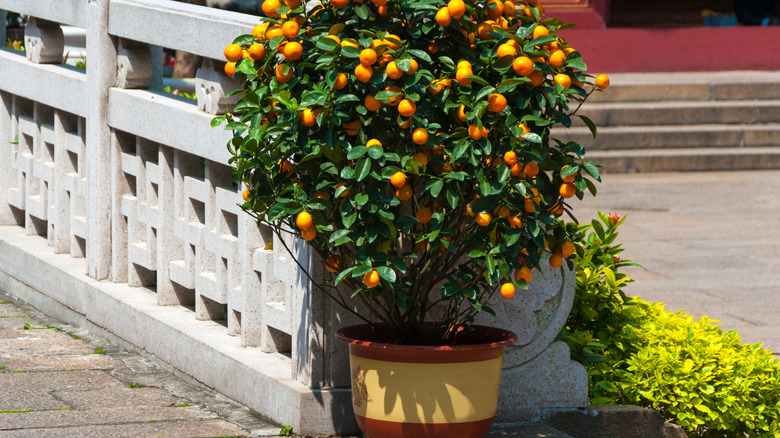
Calamondin

Tanya_Terekhina/Shutterstock
Calamondin is one of the best beginner-friendly dwarf citrus trees. This little plant typically stays around 2 to 4 feet tall, but it can even be used as an ornamental since it can hold its golf ball-sized fruit for up to a year! As long as you protect it from really cold temps, Calamondin is a pretty tough and forgiving variety. If you’re growing it indoors, just make sure it gets at least 8 hours of direct sunlight (or sufficient grow lights). Water it about twice a week in summer and every 10-14 days in winter.
Kumquat

Another awesome container-friendly citrus is the Kumquat. These self-fertile plants do great in warm, humid climates like Florida and Georgia. Dwarf Kumquat trees usually reach 4 to 8 feet tall, with some smaller varieties staying under 4 feet. Kumquats have similar care needs to Calamondins – they need cold protection, at least 8 hours of direct light, and regular, consistent watering, sometimes up to 4 times a week in hot weather.
Owari Satsuma Mandarin Orange
Piu_Piu/Shutterstock
The Owari Satsuma mandarin is one of the most cold-hardy citrus trees out there. These guys can handle temps as low as 12°F! But they don’t love super hot climates. When grown in a pot, the semi-dwarf Owari Satsumas can reach 8 to 15 feet tall. There are also smaller dwarf varieties available. Owari Satsumas need 6-8 hours of direct sun per day and consistent, deep watering as the tree matures.
Kaffir Lime
Uzair Islami Nor Ahmad/Shutterstock
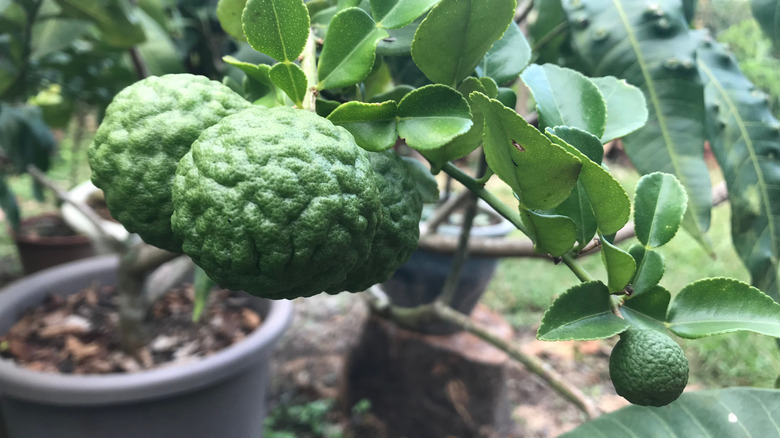
Kaffir limes, also called Makrut limes, are a super popular choice for container growing. These trees have that distinctive dark green, bumpy fruit and super fragrant, edible foliage. Some Kaffir lime varieties can stay under 5 feet tall with regular pruning, but they’re a bit less cold-hardy than some other citrus. Kaffirs thrive in full sun and need consistently moist (but not soggy) soil.
Key Lime

Gurcharan Singh/Shutterstock
Key lime trees are naturally compact and do great in containers, usually topping out around 6 feet tall. They’re self-pollinating and can start bearing fruit in just 1-3 years. But they typically produce less fruit than trees planted directly in the ground. Key limes don’t tolerate cold very well, so you’ll want to bring them inside before the first frost hits. Full sun and well-draining soil are a must, and you’ll need to water them more frequently as the soil dries out.
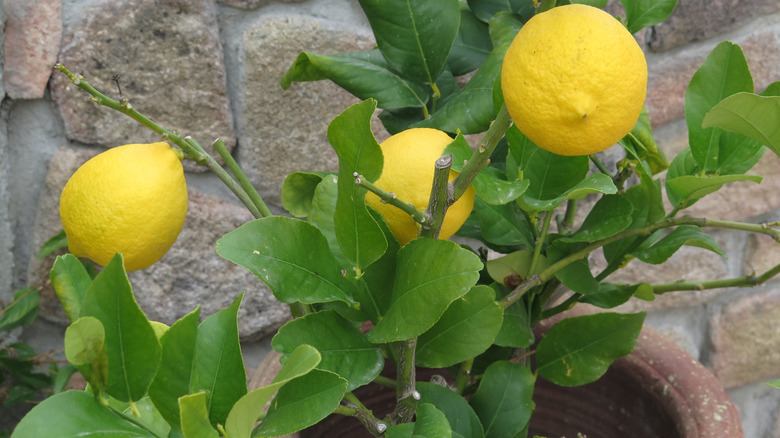
Eureka Lemon
Claudio Saba/Shutterstock
Dwarf Eureka lemons are a great choice for container gardening. These plants typically max out at 4 to 6 feet tall in large pots. You can even train them into fun shapes! Eurekas are moderately cold-hardy and can handle light freezes if protected. They produce fragrant white flowers that grow into juicy, fine-grained yellow fruit. To thrive in pots, they need mineral-rich soil and regular pruning. Full sun and frequent watering, especially in hot weather, are also key.
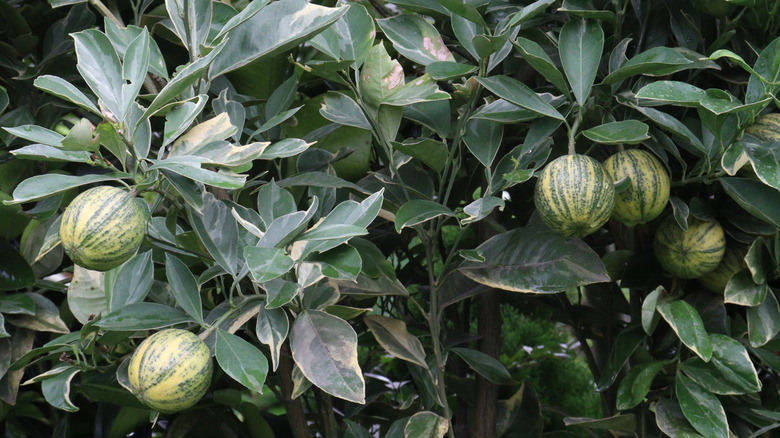
Variegated Pink Eureka Lemon
CMYK MAKER/Shutterstock
If you want something really unique, the variegated pink-fleshed Eureka lemon, also called pink lemonade, is a showstopper. These plants are smaller and less vigorous than standard Eureka lemons, but they have the most stunning striped green and golden foliage. Plus, their fruits have a light pink flesh and are low-seeded. Like regular Eurekas, they can tolerate cooler temps. They need over 8 hours of sunlight daily and should be deeply watered.
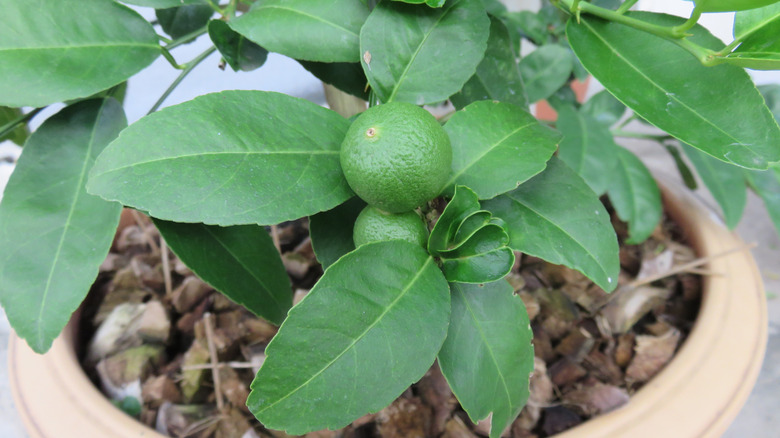
Bearss Seedless Lime
AppleDK/Shutterstock
Also known as Persian or Tahitian limes, Bearss lime trees are a great compact, seedless option. Even the semi-dwarf varieties usually max out under 8 feet tall in containers. Bearss limes aren’t the most cold-hardy, but they can be grown indoors with extra lighting. Just make sure to place them in a spot that gets over 8 hours of direct sun. Regular pruning helps maintain their naturally bushy shape. Water deeply and allow the soil to dry out a bit between waterings.
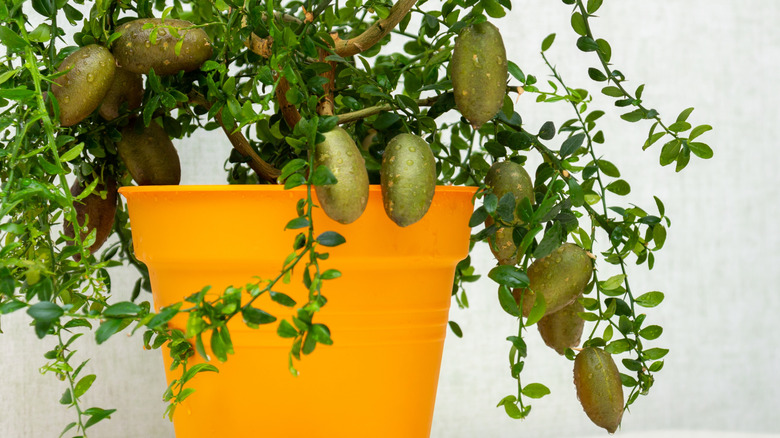
Australian Finger Lime
Ivan Semenovych/Shutterstock
The Australian finger lime is a really unique citrus option. These plants are often called the “caviar of citrus” because their long, thin fruits contain juice vesicles that burst like little caviar beads. Many finger lime varieties are grafted onto dwarf or semi-dwarf rootstocks to thrive in containers. They
Related Posts

Outsmart Garden Pests: The Best Time to Set Up Insect Screens
Thomas Faull/Getty Images We may receive a commission on purchases made from links. Those pesky…

What Plants Need: Pots vs. Planters Explained
Sagarmanis/Getty Images When you walk into any garden center, you’ll see “pot” and “planter” being…

Brighten Up Your Outdoor Space: Clever Ways to Use Smart Lights in Your Garden
Your backyard doesn’t have to be dark once the sun goes down. Smart lighting can…