

John Boland/Getty Images
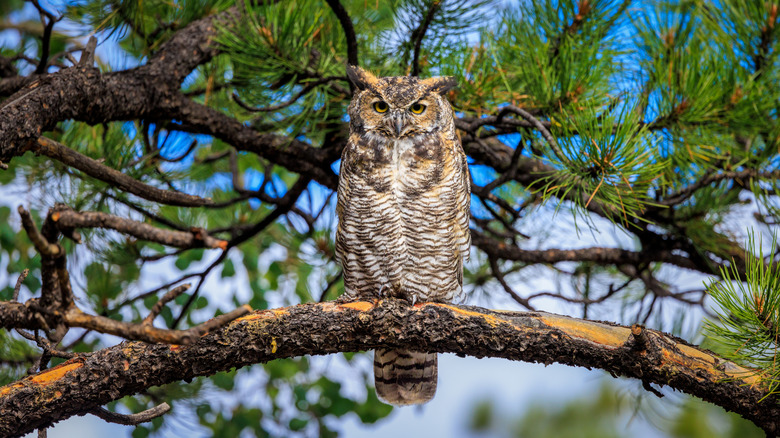
Have you ever caught a glimpse of an owl in your backyard? If not, there are some easy ways to encourage them to visit. And the benefits are huge – owls can help control rodents, support local biodiversity, and provide thrilling sights and sounds for bird lovers. Whether you have pets, porch lights, or are unsure about your plants, this guide will help you create an owl-friendly yard.
There’s no single trick, but a multi-pronged approach works best. Things like providing shelter, minimizing disturbances, and allowing rodents to thrive can all make your yard more appealing to these amazing birds of prey.
Certain species of owls can help to keep rodent populations down in your yard
eumates/Shutterstock
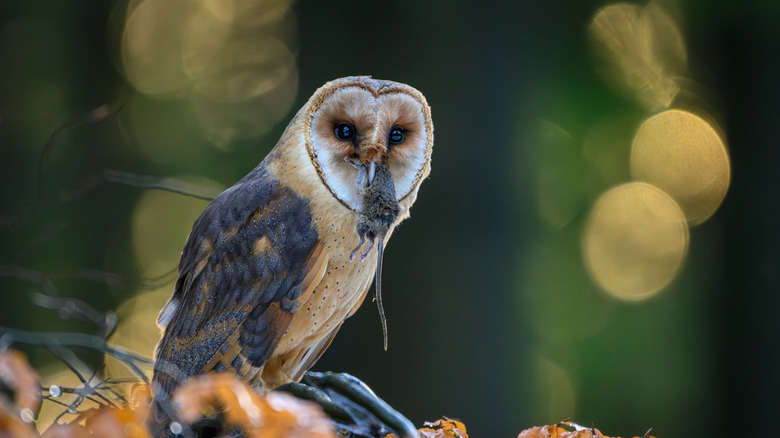
If you’ve got a rodent problem, listen up – barn owls and screech owls are fantastic natural pest control. They can eat thousands of mice and other rodents in a single nesting season. So if you can get these birds to nest in your yard, your rodent troubles will likely disappear fast.
A single screech owl can eat up to 1,000 mice in a year, while a barn owl might take 3-4 rodents in a single night. Once they start breeding, their need for protein skyrockets. Mechanical traps and poisons are risky, but owls provide natural, effective pest control.
To keep the owls hunting your rodents, provide quiet, undisturbed areas and avoid using pesticides that could harm them. Owls like to hunt from high perches, so try not to make too much noise outside at night when they’re active.
Providing a haven for owls supports biodiversity in your wider area
Nobuo Iwata/Getty Images
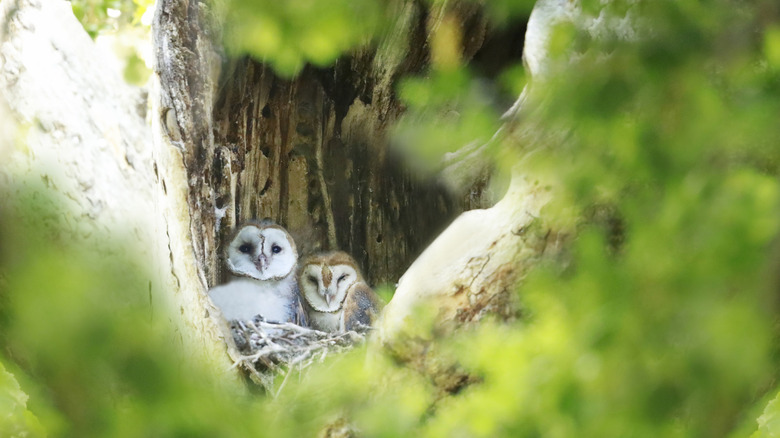
By creating a safe space for owls in your yard, you’re helping to restore the natural balance of your local ecosystem. Your garden becomes a crucial link in the chain of biodiversity, instead of just an isolated urban spot.
This is especially important in areas near farmland, where unchecked rodent populations can devastate crops. But it’s crucial even in cities, where owls and other wildlife risk being pushed out by human development. Your backyard oasis can make a real difference.
To attract owls, try planting native trees they’ll recognize as shelter, adding nesting boxes in quiet, sheltered spots, and letting rodents thrive (they’re a key food source). The more you can do to create a haven, the more you’ll be helping your whole neighborhood’s ecological balance.
Birders are sure to love having owls visit their garden
Denise Johnson/Getty Images
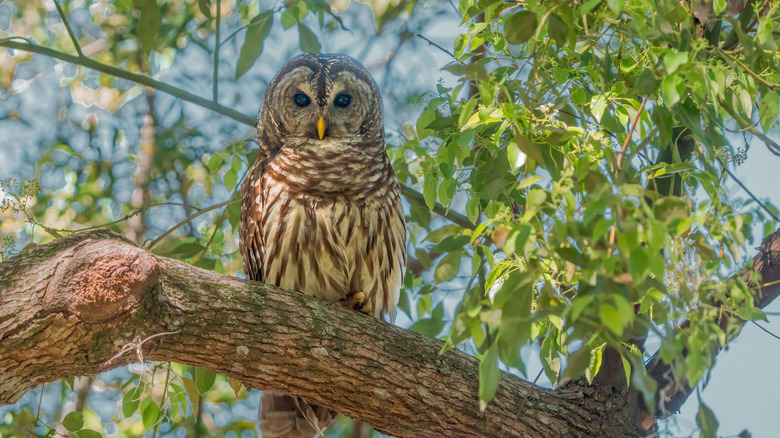
Do you love seeing nature unfold outside your window? If so, having owls in your yard will be incredibly rewarding, even if they’re tough to spot. You might just hear their hoots, screeches, or other unique calls at night.
While owls are mostly nocturnal, there are plenty of ways to welcome them – from turning off porch lights to planting native trees. It takes a little work, but for avid birders, having these elusive creatures visit is an absolute thrill.
Just be prepared to put in the effort to create the right environment. Things like providing shelter, minimizing disturbances, and letting rodents thrive can all make your yard more attractive to owls. But if you’re determined to host these amazing birds, it’ll be well worth it.
Provide shelter for owls in quiet, low-traffic areas
R J Endall Photographer/Shutterstock
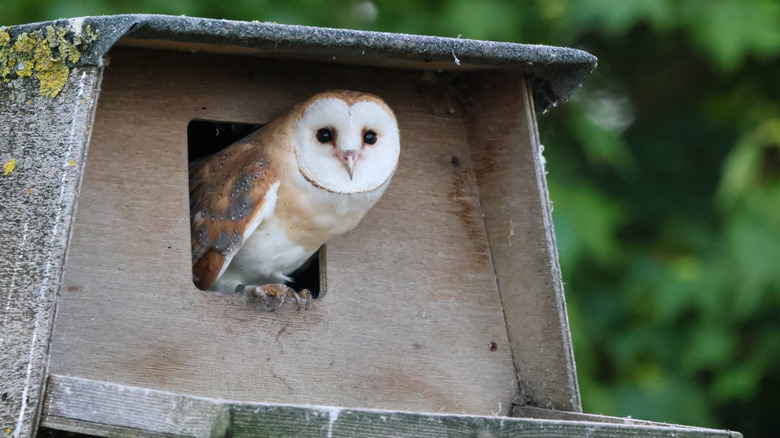
Owls prefer quiet, sheltered spots away from the noise and activity of humans and pets. If your yard is too loud or disturbed, they’re unlikely to stick around.
To make owls feel safe, install nest boxes high up in trees, away from predators and small bird feeders. Cavity-nesting species like barred owls and screech-owls will appreciate having these secure spots to roost.
Don’t encourage rodents, but don’t discourage them, either
Wirestock Creators/Shutterstock
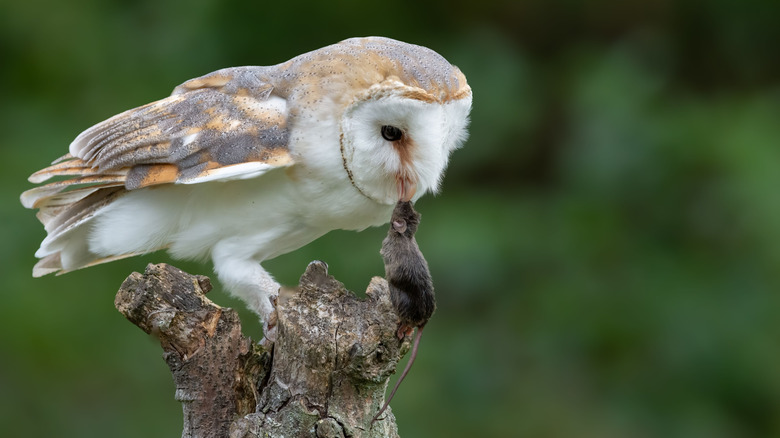
Don’t start putting out food to attract rodents – that could lead to a full-blown infestation. But if you already have some rodents in the yard, don’t go overboard trying to get rid of them. The owls may just move in to take care of the problem for you.
Avoid using poisons, which could harm owls that eat contaminated prey. You can try humane traps if needed. But the best approach is to let the rodents be – their presence could be the lure that brings owls into your yard. When the owls arrive, your rodent woes will likely disappear quickly.
Large, deep bird baths are ideal for when owls need to cool themselves and bathe

Chadd Bloomquist/Shutterstock
Owls need a reliable water source, so adding a large, deep bird bath to your yard can be a big draw. Make sure it’s at least 2 inches deep to accommodate their larger size, and position it in a quiet corner near any nesting spots.
Change the water frequently to prevent bacteria growth. The bath should be a safe, secluded place for owls to cool off and preen, without risk of harassment from smaller birds.
Keep pets inside after dark

Mlharing/Getty Images
Imagine venturing out into the wild, only to be confronted by loud, dangerous predators – that’s how owls feel in yards dominated by pets. Their barking or stalking can easily scare owls away.
To make your yard owl-friendly, keep dogs and cats indoors at night. Owls are nocturnal, so they’re unlikely to be around during the day when your pets are outside. But at night, when owls are hunting, having pets roaming freely is a recipe for trouble.
Try to minimize light pollution in your garden

Peter Kniez/Shutterstock
Owls have massive eyes that let them see up to 100 times better in the dark than humans. Flood your yard with light, and you’ll rob them of their key hunting advantage.
To make your garden more owl-friendly, keep curtains drawn at night, turn off porch lights when not in use, and disable any motion-sensing lights. The darker you can keep things, the more appealing it will be to these nocturnal hunters.
Use dense native trees and plants to your advantage

Lapis2380/Shutterstock
Native plants and trees are the way to go if you want to attract owls. They provide the ideal food sources and shelter that owls recognize and prefer.
Focus on dense evergreens, which offer year-round shelter. Owls don’t build their own nests, so they rely on trees and shrubs to provide them with a cozy home. Native plants work best because local wildlife is accustomed to them.
Encourage insects and rodents with a brush pile (and avoid pesticides)
<div class="slide-key image-holder gallery-image-holder credit-image-
Related Posts

Hardy Tree Grows Well in Tough Ground
Piyaset/Shutterstock The Korean pine (Pinus koraiensis) is a real showstopper of an evergreen tree. With…
The Deal on Lake Snow: How It Affects Your Yard and Plants
AnniKr/Shutterstock Hey there, did you know that lake effect snow is a real thing? It’s…
Quick Trick to Trash Tree Bits Using Mulch
Ironstuff/Getty Images Losing a tree can be a real bummer, but even if it provided…