
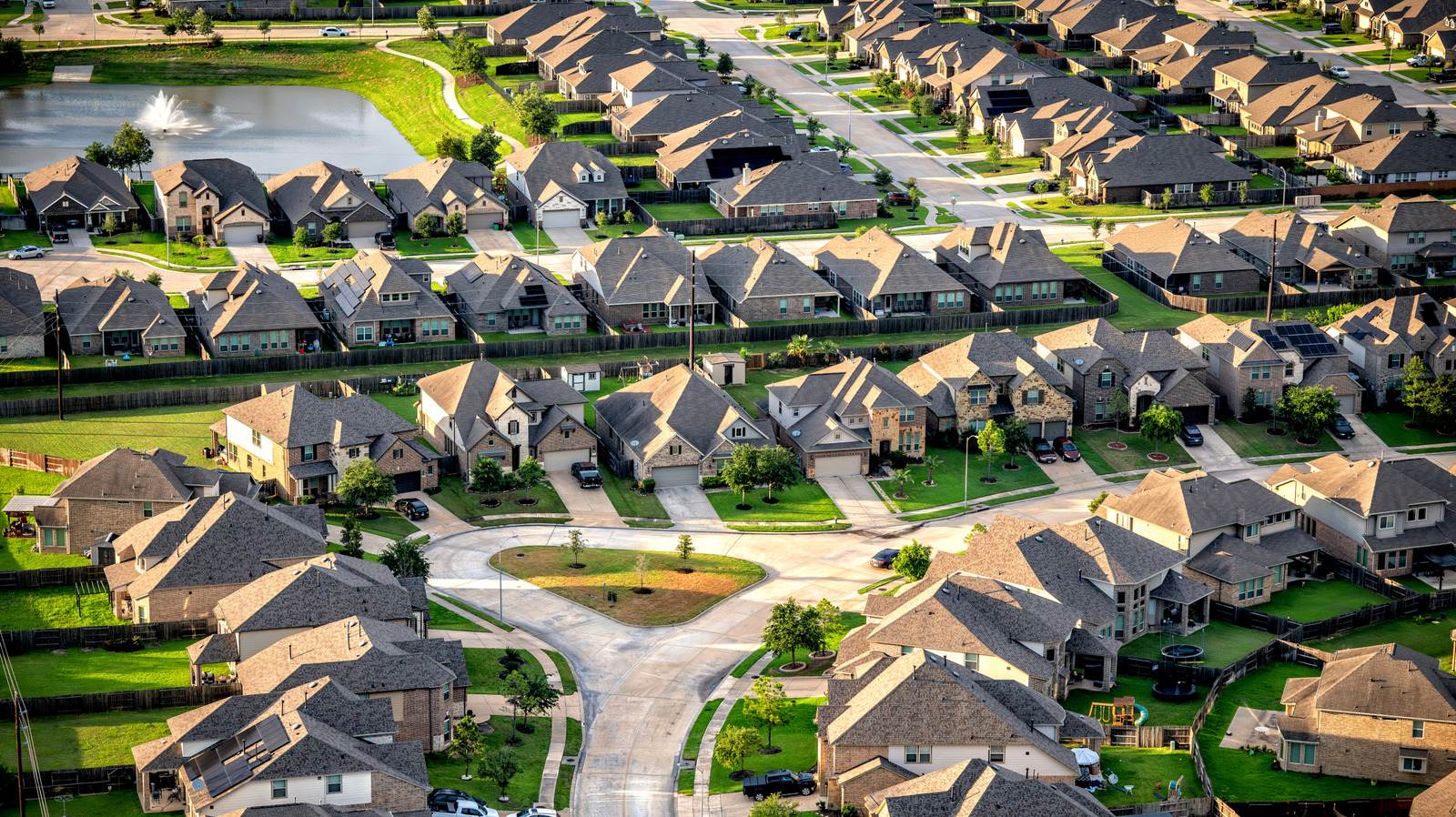
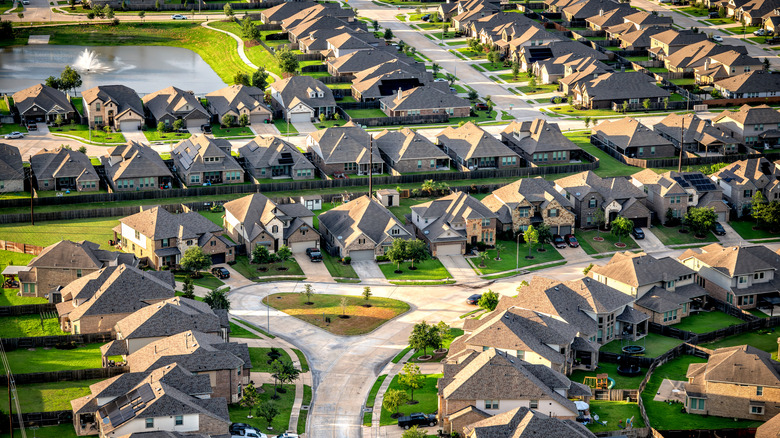
You’ve probably heard someone say, “You couldn’t pay me to live there,” right? Well, it usually means a place has some pretty rough challenges that make living there more of a hassle than it’s worth. But here’s the twist—residents in a newer neighborhood just outside Houston actually do have to pay to live there. And honestly, it’s all because of some seriously questionable planning. Turns out, there’s only one way in and out of the whole development, and it just happens to be through a toll road.
According to local reporting in Houston, the Creekland Village neighborhood in Cypress, Texas, is basically stuck with only a single entry and exit route. Residents have to use the Grand Parkway, which goes by the name Texas State Highway 99. Multiple sections of the Grand Parkway charge tolls, including the part that leads to Creekland Village.
When residents use the toll road, they’re forking over 56 cents each time. Sure, that doesn’t sound like much for a single trip, but when you’re doing it every day to get to work or grab groceries, it adds up quick. Whether this whole mess happened because of lazy planning, poor communication between officials, or—as some folks suspect—intentional scheming to create steady toll income, the residents are pretty fed up about it.
How this toll situation actually happened in Texas
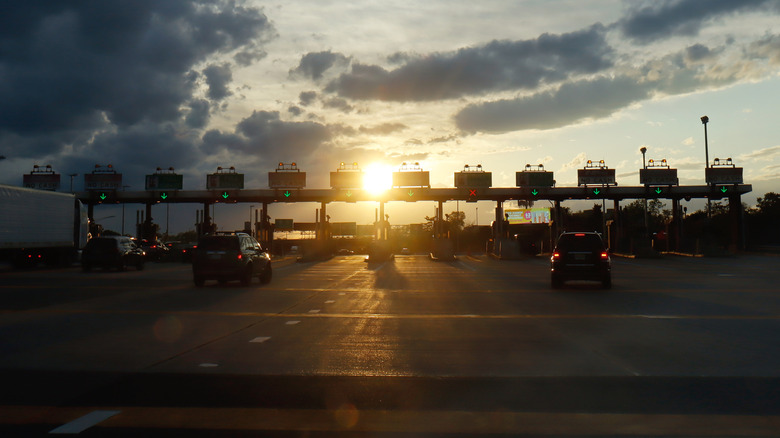
Back in early 2023, folks started breaking ground on homes in Creekland Village. The master plan included putting up 3,000 homes eventually. As people snapped up lots and started building, they say the developer never mentioned anything about the toll road headache they’d be facing down the line. Interestingly, residents didn’t get charged tolls while construction was in full swing. But once the toll booths got built and everything was finished, boom—the charges kicked in.
The Texas Department of Transportation (TxDOT) says this kind of problem typically doesn’t happen elsewhere because developers or other companies usually build frontage roads. These give residents other options to get in and out without needing to hop on toll roads. Unfortunately, in this case, the neighborhood’s layout didn’t include any frontage roads, so residents are forced to drive at least a couple of miles on the Grand Parkway and pay the toll every single time they leave.
There are some potential fixes being discussed, like possibly letting Creekland Village residents skip the toll altogether or at least get a discounted rate. But when homeowners tried asking TxDOT or Harris County for help, they basically got told to work it out with the developer themselves. So honestly, getting the toll reduced or waived seems pretty unlikely at this point.
What’s the deal with all these toll roads around Houston?
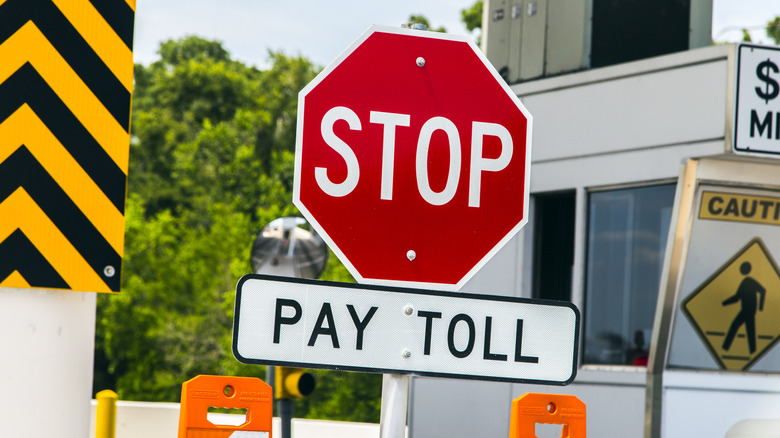
Houston already ranks as one of the priciest places to commute around, thanks mostly to those frustrating long drives that suck up gas and put extra miles on your car. The toll roads scattered throughout the Houston area definitely don’t help matters either.
The thing about Houston is that sprawl has been a major issue, largely because the city didn’t have strict zoning laws traditionally. Add to that the explosive growth during the second half of the 1900s, and you’ve got a recipe for a city that just keeps spreading outward. These days, the Houston metro covers nearly 12,500 square miles—that’s bigger than Maryland! The population boom really fueled this expansion. Back in 1957, fewer than 1 million people lived in the metro. By 1975, it hit 2 million. By 1991, it jumped to 3 million. And according to recent data, the metro had about 7.8 million people in 2025.
When a city grows that fast in both size and population, it’s tough for state and federal funding to keep up with the need for new roads. Toll roads help speed things along. Plus, they’re cash cows for governments trying to balance budgets without hiking taxes. According to local reporting, Houston-area toll roads rake in about $1 billion annually. All these tolls might actually be pushing younger folks and others to think twice about moving to the area, though.