
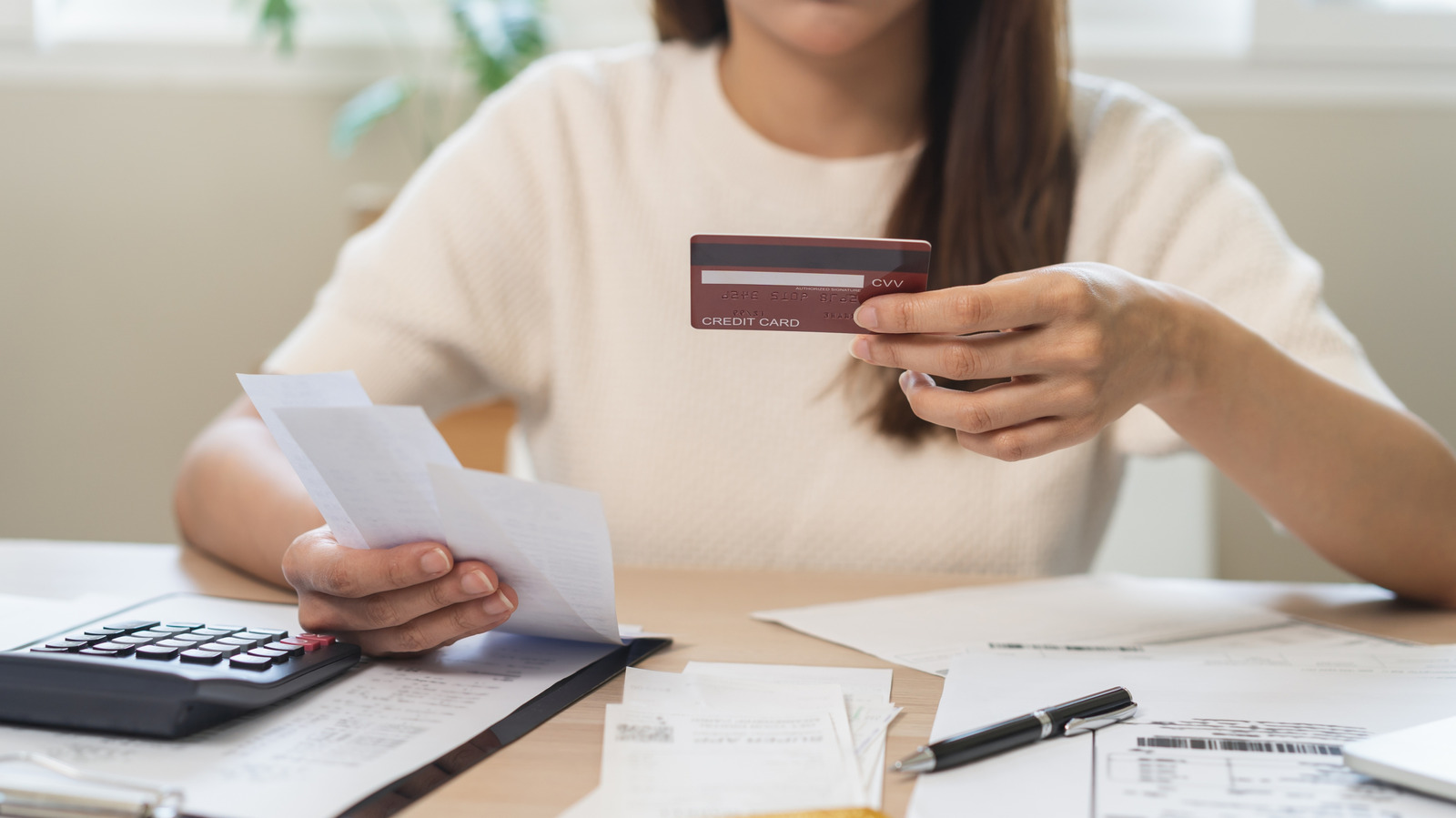

Good budgeting isn’t just about pinching pennies right now—it’s about giving yourself the power to make smart money choices that’ll pay off for years to come for you and your family. Some budgeting slip-ups might feel tiny at the moment, but they can seriously hurt your savings and leave you vulnerable to real financial trouble down the line.
Think about this: only 47% of Americans say they’ve got enough cash sitting around to cover a surprise $1,000 expense. Even more concerning, 58% of people said their emergency savings either stayed flat or actually went down compared to the year before. The takeaway? A lot of Americans are struggling just to keep their savings where they are, much less grow them.
If building up your savings is what you’re after, there are some major budgeting blunders you’ve got to watch out for. Let’s dig into what they are, why they wreck your savings, and some smarter ways to keep your budget on track.
Constantly borrowing from savings without putting money back

Sometimes your budget goes sideways and you need to raid your savings. It happens to the best of us. But here’s the problem: one of the fastest ways to tank your savings is borrowing from it and never paying it back. That innocent $20 you borrowed one week? After ten weeks, you’re out $200. Within a year, grabbing $20 a week without replacing it could completely empty a $1,000 emergency fund.
Here’s the good news though—just like bad budgeting can wreck your savings fast, smart budgeting can rebuild it just as quick. Start by keeping close tabs on your budget and spending and sticking to the plan. This way, you’ll sidestep going over budget and dipping into savings in the first place. But if you do need to borrow, treat it like an actual loan. That $20 you grabbed? Plan exactly when you’re going to put it back.
Maybe you needed to borrow a bigger chunk. No problem—set up a payback schedule instead. If you took out $200, commit to paying it back in chunks: $20 a week, $50 a month, or whatever works. Chip away at it until your savings is back to normal. Don’t stress if you can’t instantly refill the account. Every little bit you put back counts.
Never budgeting for fun expenses

A lot of the time, budgeting gets treated like it’s all about self-control and sacrifice. Everything that’s not a bill or absolute necessity seems wasteful. While some folks can stick with that approach, honestly, it usually sets you up to fail. When there’s zero room for anything fun, you end up raiding your savings over and over for those impulse buys. Before you know it, your savings are gone and you feel totally defeated.
Whether it’s that snack you love, a new bag, or a fun weekend getaway, make sure there’s cash in your budget for the stuff that brings you joy. A lot of people say that skipping fun spending leaves you frustrated with budgeting. Plus, when you actually budget for something you want, you’re less likely to blow your whole budget on an impulse. That means your savings stays intact.
Not sure how much to set aside for fun stuff? A lot of experts say start with 5 to 10% of what you earn. Another approach is to pick three or four things you really enjoy and budget 10% to 25% of your income for them, bumping it up as you earn more. The real trick isn’t the amount—it’s knowing what you actually like and how much it costs, so you can comfortably save for and enjoy those fun splurges without guilt.
Automating bills without checking your account balances
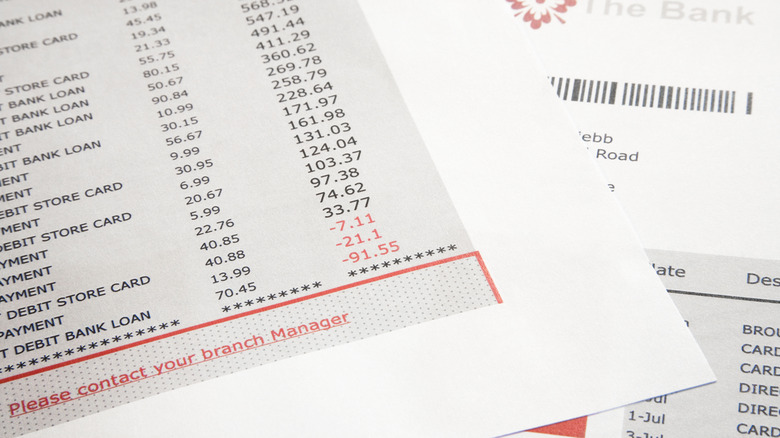
Automatic bill payments seem like a dream at first—your bills get paid without you lifting a finger. Stuff like streaming services and utilities just come out every month like clockwork. It’s a solid way to make sure you never miss a payment, but there’s a catch.
Auto-pay can bite you if you’re not regularly peeking at your bank account or watching for price hikes. Say you budgeted for Netflix at the old price, then they raise it. Boom—suddenly you’re overdrawn. Now you’re borrowing from savings to cover the difference.
According to 2025 data, about 60% of Americans skip auto-pay entirely. While folks who earn more handle it fine, lots of people living paycheck-to-paycheck are steering clear. When money’s tight, people care more about keeping cash on hand than risk overdrafting. Here’s a smart move: set up auto-pay only for your cheapest bills and handle the rest manually. That way, you protect both your savings and your cash flow.
Not setting aside money to cover quarterly or annual expenses
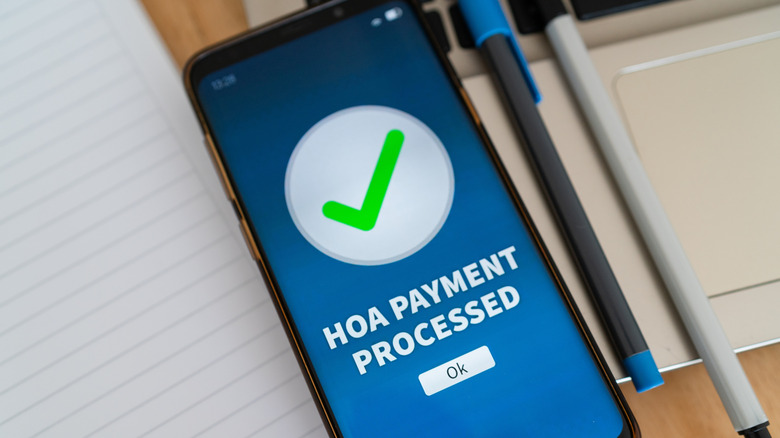
For people scraping by paycheck to paycheck, planning ahead for less frequent bills can feel impossible. Some homeowners pay HOA fees or insurance every month, but others tackle those bills once a quarter or once a year. Same goes for taxes—they sneak up on you every April. When you’re focused on getting through the month, it’s easy to forget about stashing cash for bills that hit less often. But here’s the thing: life throws curveballs. You could lose your job or face a pricey emergency, making those future bills feel impossible to cover.
Instead of waiting until the bill shows up, work it into your monthly budget now. Don’t have to pay the whole thing at once? Break it down like any other bill. A ton of Americans pay over $6,000 yearly in HOA fees, according to 2026 data. If you’re paying once a year, budget roughly $500 a month so you’ll have the full amount when it’s due.
Budgeting according to gross income, not take-home pay
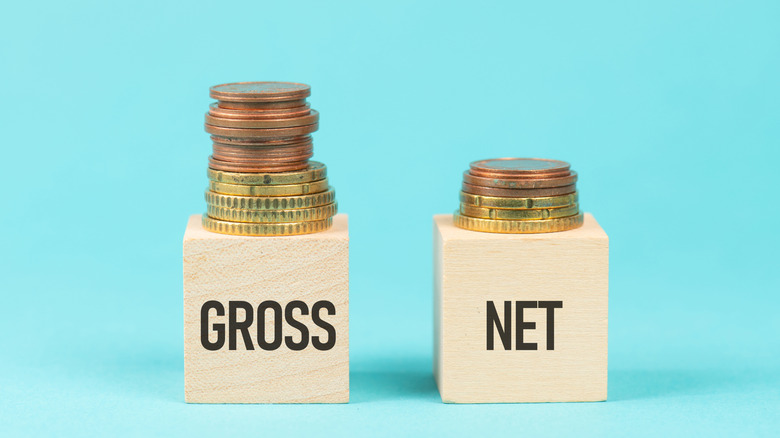
This one might catch you off guard, since some experts actually do say budget based on your gross earnings. Financial pros often recommend saving 15% to 20% of your gross monthly income. But depending on how you like to budget, it might make way more sense to work with your take-home pay instead. The National Foundation for Credit Counseling actually suggests that when you’re setting up your household budget, go with your net pay rather than your gross.
There’s a solid reason for this approach. First, your net income is the actual cash hitting your bank account that you can use to pay bills and buy groceries. Second, there could be a huge gap between gross and take-home pay based on where you live. Here’s a real example: if you made $50,000 in 2024 and lived in Alaska, your net would’ve been $50,000. But if you lived in Maine that same year? Your actual take-home would’ve been around $33,000.
If you’re budgeting based on gross income while your net is way lower, you’ll end up short every month. That means raiding your savings or racking up credit card debt just to cover basics. Sure, if there’s barely any difference between your gross and net, it won’t matter much. But for most people, it’s safer to budget using your actual take-home number.
Failing to consider inflation or rising living costs
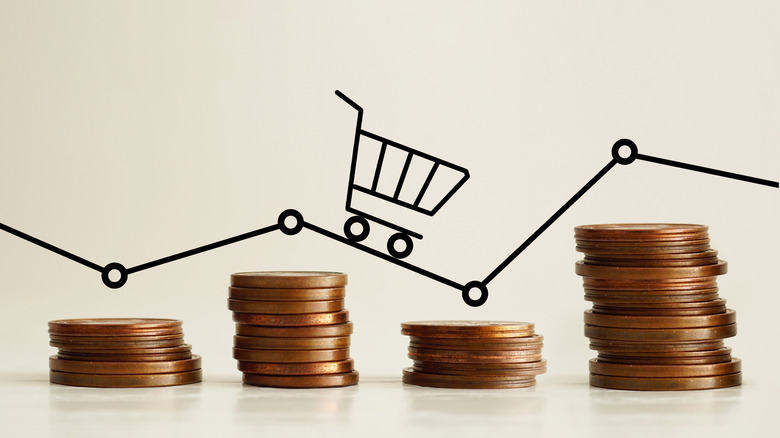
Between rising prices every year, supply issues, shortages, and unexpected surprises, what you spend money on keeps changing. For instance, food prices went up 2.4% between January 2025 and January 2026. Meanwhile, electricity jumped 6.3% and natural gas climbed 9.8%. Ignoring what bills are about to get more expensive means you’ll constantly go over budget.
Since nobody can predict the future, it’s tough to know exactly what’ll cost more. But when prices are climbing, try breaking your spending into three buckets: needs, values, and wants. Then get rid of the stuff that matters least and won’t hurt if you skip it. This strategy might free up enough money to handle rising costs without dipping into savings or going into debt.
Mistaking potential income for confirmed earnings

Here’s a budget trap that’s surprisingly easy to fall into: counting money you might make as if it’s money you definitely will make. A salaried full-time worker can reason
Related Posts

Upgrade Your Money Plan? Check These 10 Milestones First
Feb. 23, 2026 1:15 pm EST Jacob Wackerhausen/Getty Images The journey of a saver is…

Older DVDs That Are Worth Lots Of Cash In 2026
Feb. 26, 2026 12:32 pm EST Timnewman/Getty Images We may receive a commission on purchases…

Easy signs a retiree should switch banks
March 1, 2026 12:30 pm EST Highwaystarz-photography/Getty Images Your banking needs change as you get…