Let’s be honest—booking a hotel in the United States isn’t exactly breaking the bank in a good way. According to Hotels.com’s report, the average nightly rate for rooms across the U.S. hit $174, and another study found that overall lodging costs have climbed 15.1% since 2019. Sure, prices bounce around depending on where you go, but in major cities you’re looking at roughly $200 a night in 2026, with fancy hotels sometimes charging over $1,000. That sounds crazy, right? Well, it gets even wilder when you compare it to what hotels cost just a few decades back. Here’s the thing—if you dropped $200 on a hotel room in the 1980s, you were basically living the high life.
Back in the 1980s, even the really nice hotels came with much smaller price tags than $200, even in major cities. Take 1985: the Westin Bonaventure in LA made headlines when it cut rates from $115 down to $89 (that’s like going from $359 to $278 in today’s money). Fast forward a year, and New York hotels hit a milestone—the big luxury spots officially broke through the $200 mark. The Marriott Marquis in New York got some press attention for being in “the $200 category” back in November 1986. Now jump to November 2026, and that same Marriott Marquis is charging between $676 to over $2,000 per night. Talk about a jump!
Why today’s hotel prices might actually be a better deal than the 1980s version
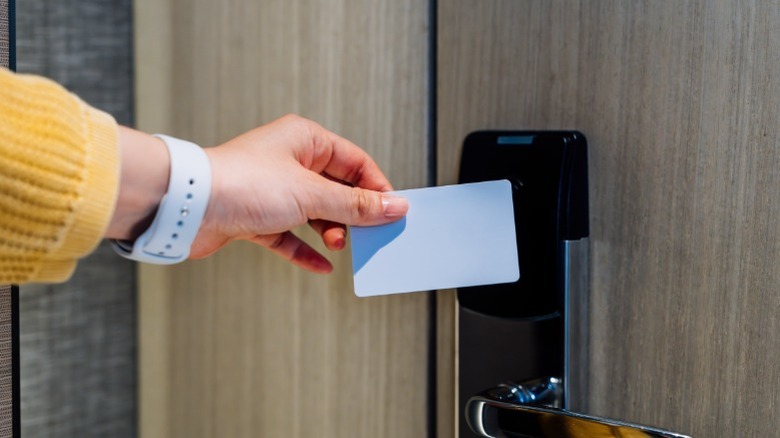
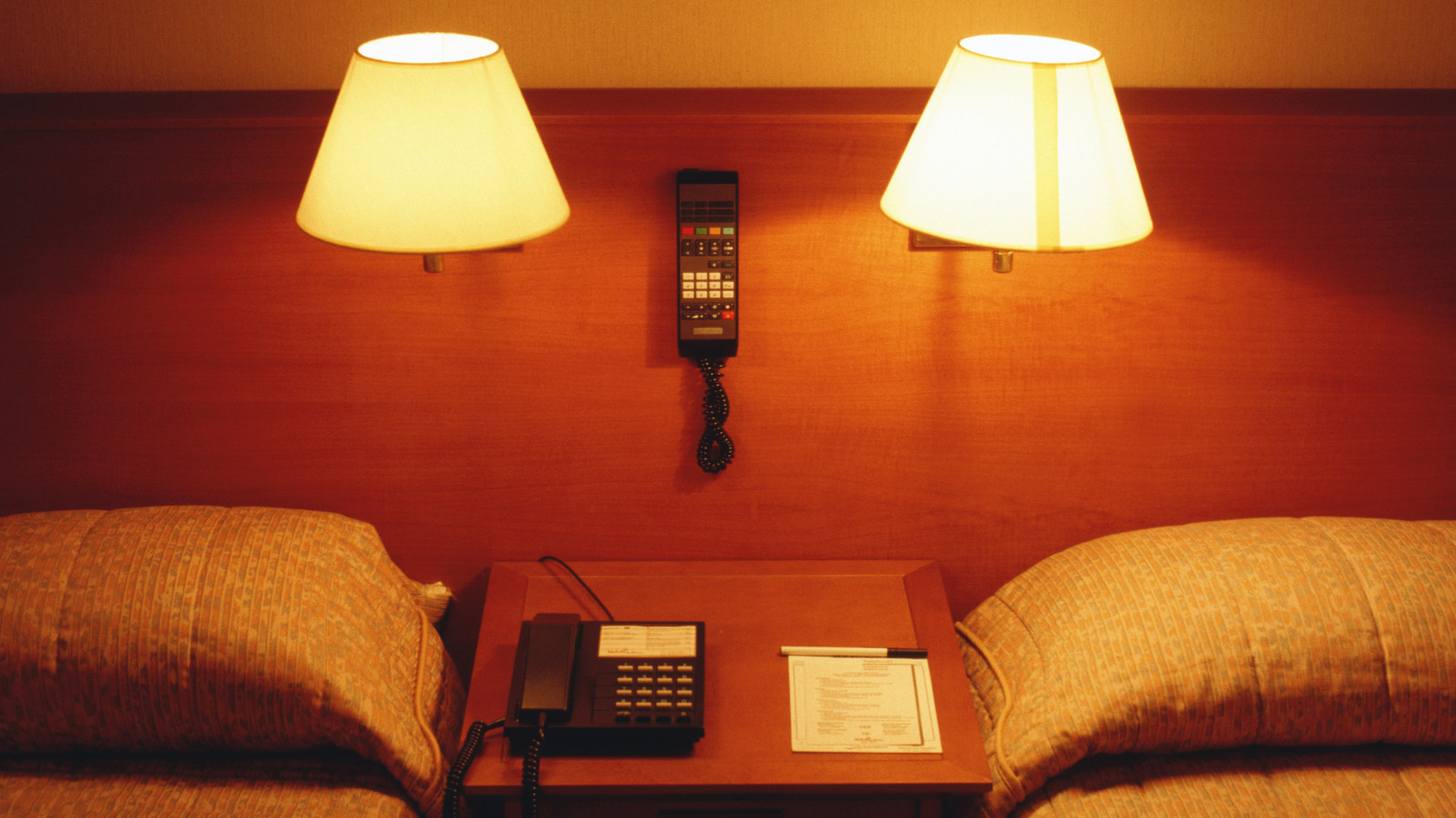
Okay, so 2026’s crazy hotel prices might make you feel nostalgic for the good old 1980s rates, but here’s the catch—you’re probably actually getting more for your money these days. Back in the ’80s, $200 a night basically got you a room and maybe a phone. Nowadays? That same $200 (or sometimes even less) typically includes perks like free Wi-Fi, access to streaming services, complimentary filtered or bottled water, and fancy in-room coffee setups—stuff that either wasn’t common or didn’t even exist back then. Plus, with the rise of Airbnb and VRBO, travelers today have way more choices, especially if you’re planning a longer stay.
Here’s another interesting angle: the average hotel room in 1982 went for $58 a night—which is basically $203 when you adjust for inflation to 2026. So when you do the math, today’s average hotel rates are actually sitting a bit lower than they should be. That said, certain spending categories can go up faster or slower than others, which might explain why your wallet feels more squeezed when you book a hotel in 2026 compared to how it felt in the past.