
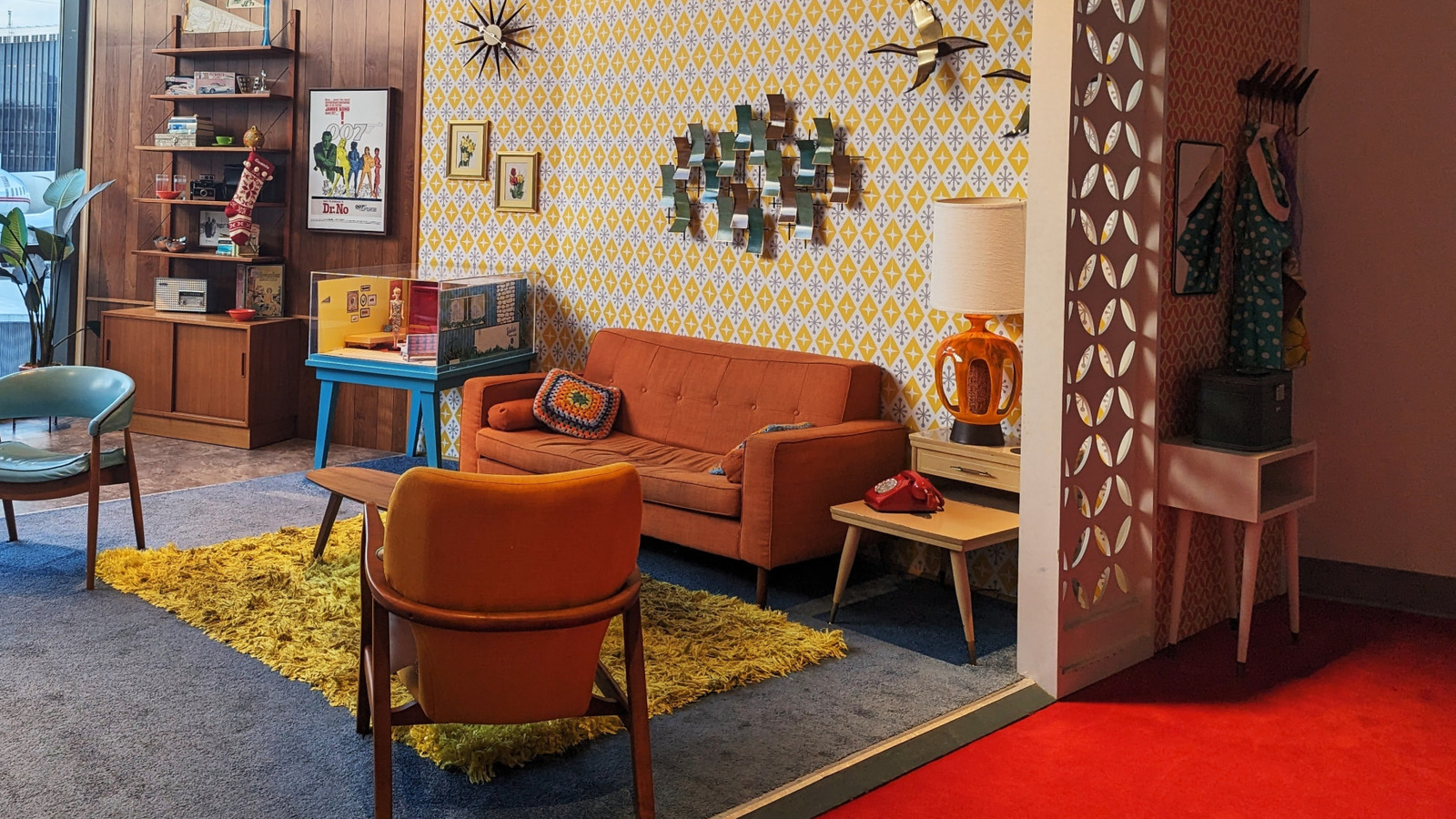
The groovy ’60s were a wild time for home designers. The whole world was buzzing with change as people felt more connected than ever. A race to the moon had everyone dreaming big. Hippie culture made people want hangout-friendly spaces and the freedom to express themselves. And with post-war prosperity mixing with a growing desire to break free from stuffy traditions, homeowners were hungry to experiment and have fun with their living spaces. So yeah, the ’60s were an incredible time to be alive, and interior design got a serious dose of personality and playfulness. Below, we’re diving into 15 of the most iconic trends that made ’60s homes so special. Some of these styles might be better left in the past, while others have evolved and stuck around. If you’re thinking about bringing some vintage vibes into your place, you’ll find plenty of inspiration here. Whether you’re redesigning a room, curious about design history, or just feeling nostalgic, buckle up for the complete lowdown on ’60s home design. Renata Ty/Shutterstock
Being brave with bold colors
 Eoneren/Getty Images
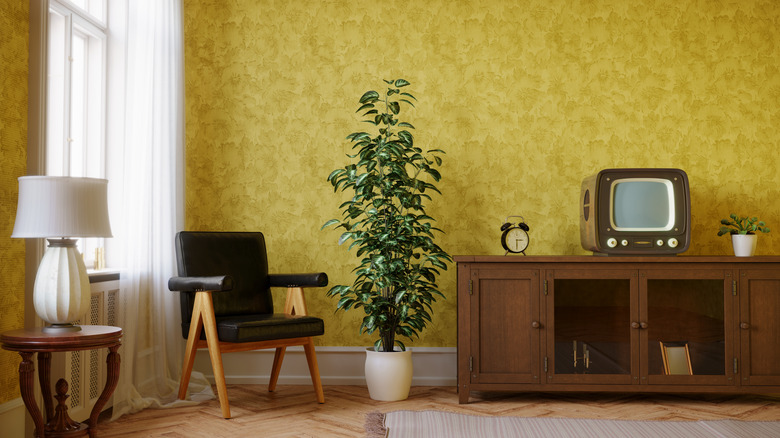
 In the ’60s, bold colors were how people expressed their optimism after the war. But they were also a rebellion. Younger generations felt restless about what art and culture should look like, and that feeling sparked the Pop Art movement. This movement brought those bright, bold colors straight from Hollywood ads and product packaging right into everyday homes.
The color options were endless and exciting. Vibrant oranges, sunny mustard yellows, hot magentas, electric greens, and popping blues were everywhere. The ’60s was all about fearless experimentation and breaking free from the old rules, and splashing bold colors all over your walls was totally on-brand. Primary colors and their neighbors symbolized forward-thinking taste and the desire to push boundaries. In other words, the bolder the better.
Getting into curved furniture
 Artmood Visualz/Getty Images
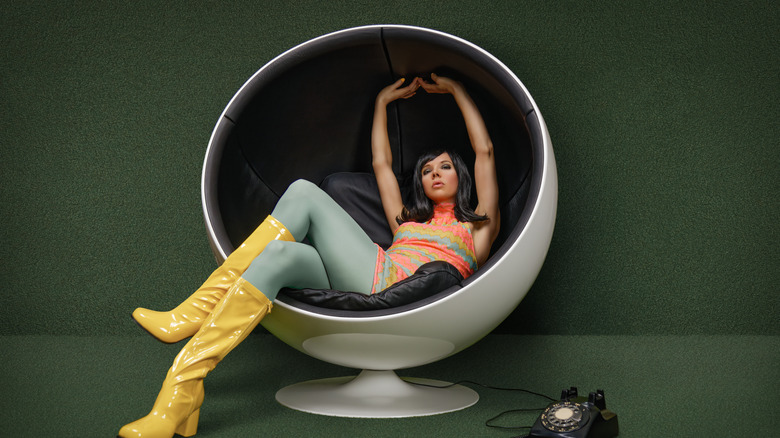
 There was a serious shift toward furniture with curves and organic shapes. Like bold colors, quirky furniture was about way more than just comfort. It was self-expression, pushing back against the norm, and seeing what you could create. Curvy couches and molded-plastic chairs were more than just places to sit. They brought a sense of artistry to your home while ditching the stuffiness of rigid, formal furniture from older eras.
Interestingly, we’re seeing something similar happening in design right now. Postmodern furniture is having a major moment, and people are playing with color in new ways. That’s coming as a reaction to all the minimalism that’s been dominating lately. It’s kind of like what happened in the ’60s — people felt this push to break free and challenge what had come before. Back then, curved furniture was almost revolutionary because nobody was doing it. But today, when we bring back those shapes, we’re usually tipping our hats to the past. In the ’60s, it felt totally fresh and daring.
Going futuristic with materials
 Dreamprint/Shutterstock
 If you know one thing about the ’60s, it’s probably Neil Armstrong’s famous words as he stepped foot on the moon. That mind-blowing achievement was the payoff from years of space exploration — a race that fired up imaginations everywhere. People were dreaming about what lay beyond our planet. In short, space was everywhere in the ’60s, and it totally showed up in home design.
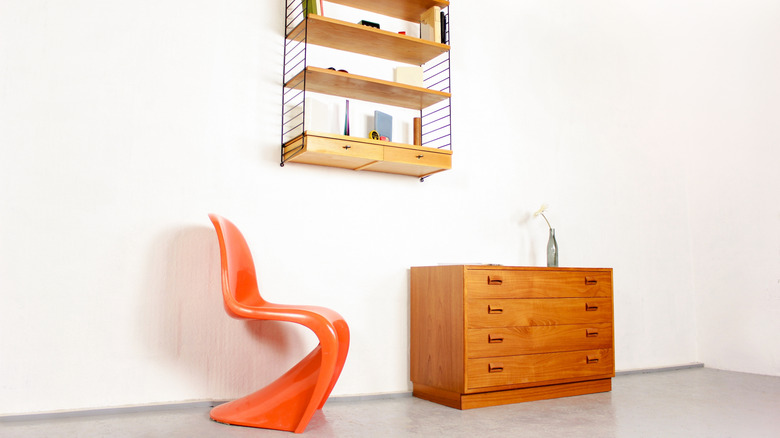
Tech innovations meant manufacturers had tons of new materials to play with — plastics, metals, fiberglass, plywood, and more. With homeowners eager to experiment, companies jumped at the chance to create wild, futuristic designs. Pod chairs and the iconic Panton Chair by Danish designer Verner Panton became instant classics. Lighting got the space-age treatment too, with UFO shapes, bubble forms, and totally out-there designs capturing the vibe of the moment. Wallpapers with space themes flew off the shelves, and even lamps got in on the cosmic action.
Playing with patterns and fun motifs
 Winxclub/Getty Images
 Sure, interior design is exciting, and most of us bring some optimism to decorating our homes. But in the ’60s, that optimism meant something bigger. Hippie culture was rising up and challenging the way society had always worked. As that movement grew, designers started thinking there had to be a better, brighter way to decorate than the serious, no-fun approaches that had ruled for ages. Patterns became a huge part of that solution.
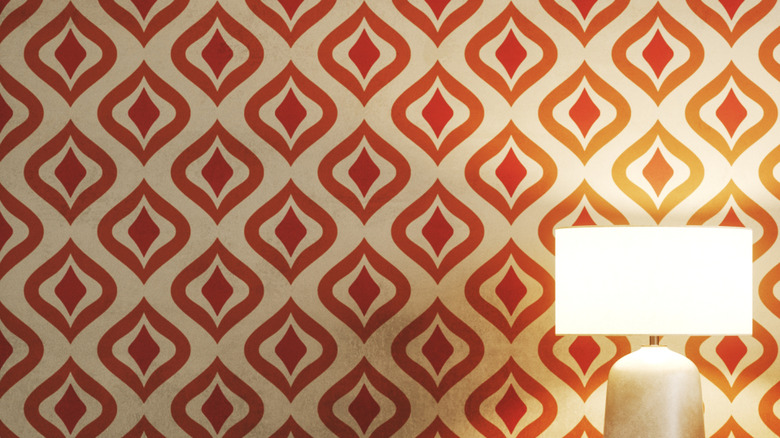
Oversized flowers, swirling psychedelic designs, and geometric prints took over living spaces. And these patterns weren’t subtle at all. They covered entire walls, showed up on furniture, and were woven into carpets. It was a confident, unapologetic approach that showed the cultural hope of the time. The message was loud and clear: In the ’60s, more was more.
Falling for Scandinavian furniture
 Dreamprint/Shutterstock
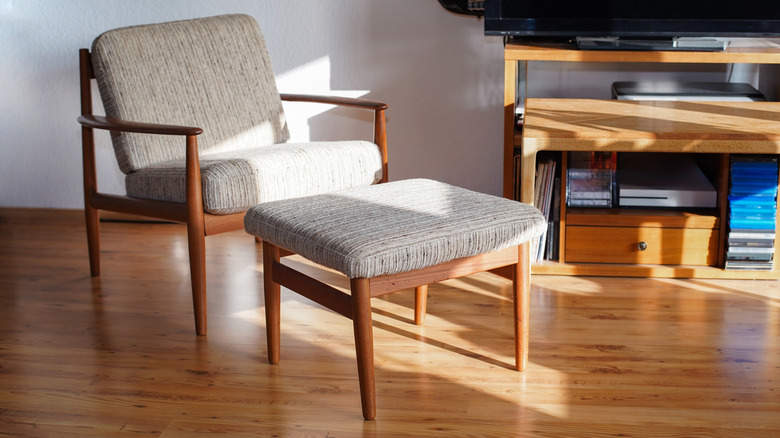
 As we’ve talked about, interior design in the ’60s was shaped by the political and cultural movements of the time. But there were other big influences too. People were getting exposed to new cultures from around the world. Sleek Scandinavian furniture and modern design from that region started gaining serious attention. This style was all about simplicity, functionality, and staying connected to nature — ideas that really clicked with the progressive, independent-minded counterculture that was growing.
Of course, nowadays we’re super familiar with the clean beauty of Scandi design. But back in the ’50s, when it was first starting to catch on in North America, it felt totally fresh and exciting. By the ’60s, American companies were copying these designs and making them in their own factories, or ordering cheaper versions from overseas. These pieces had that same clean, super-functional look that made Scandinavian furniture so appealing, but they were easy to find and easy on the wallet. Soon, Scandi design became a huge export business, with American homeowners in the ’60s becoming one of the biggest markets for the trend.
Sinking your toes into shag carpet
 Elhenyo/Getty Images
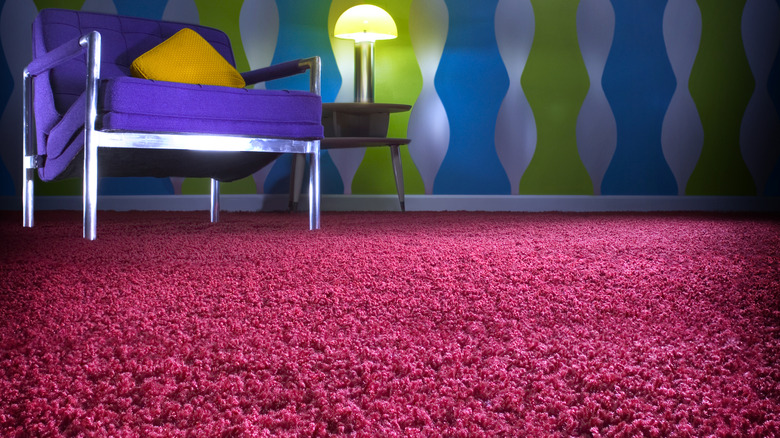
 If there’s one thing that screams ’60s, it’s shag-pile carpet. And trust us, it was absolutely everywhere. Living rooms, bedrooms, kitchens — even bathrooms got the shag treatment.
These fluffy carpets added a cozy, casual feel to homes that were otherwise full of harder materials like wood, metal, and plastic. Plus, shag carpet came in super bold, vibrant colors, which gave it that fun, slightly wild vibe. The thick texture and bright hues were the perfect antidote to the sleek, minimalist mood of 1950s design.
Loving unique and quirky lamps
 Ksana Durand/Shutterstock
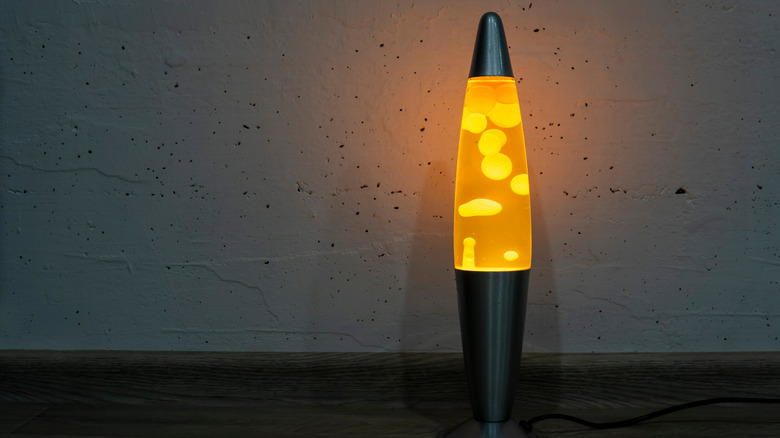
 The ’60s brought some of the wildest, most adventurous light fixture designs ever created. Throughout the decade, lighting became a statement. Tripod floor lamps that looked like rockets, galactic chandeliers, and Giancarlo Mattioli’s mushroom-shaped Nesso lamps lit up homes everywhere. Space-age, futuristic designs were huge. They were inspired by humanity’s push to reach the stars, sure, but they also tapped into other cultural feelings of the moment.
Want a perfect example? Check out the lava lamp. Often shaped like rocket ships, this ’60s icon was clearly nodding to the space race. But it also brought wild, shifting colors to desks and side tables, perfectly capturing the psychedelic vibe of the decade. Lava lamps also pushed back against the clean, serious lines of mid-century modern design. And honestly, they’re just fun to watch. For homeowners who wanted to show off their personality and play around with color and shape, there was barely a better piece than a lava lamp.
Embracing open-plan living
Related Posts
Change An Old Cloth Into A Nice DIY Kitchen Drawer Fix
Stanislav Maliarevskyi/Getty Images We may receive a commission on purchases made from links. Tablecloths are…
Wreaths Aren’t Just for Holidays: How to Use Them Year-Round
Pixel-Shot/Shutterstock Wreaths don’t have to be just a winter thing. You can make them work…

Create A Rustic And Unique Banister With A DIY Project Anyone Can Handle” New Title: “Build A One-Of-A-Kind Stair Railing Using This Easy DIY Trick
Jodiejohnson/Getty Images We may receive a commission on purchases made from links. For folks who…