
We may get a commission if you buy through our links. Some animals have gotten pretty comfortable living alongside us humans—we call these commensal animals, a term that actually comes from Latin words meaning “sharing a table.” While having dogs and cats around is usually pretty great, finding common house mice in your home is a whole different story. That’s why folks are always hunting for ways to keep those pesky rodents out. You’ve probably heard about stuffing steel wool into gaps and cracks, but here’s what the experts really recommend: copper mesh. It’s the secret weapon for blocking those entry points and keeping unwanted furry visitors out for good. Looking for a non-toxic option that’s safe around your pets? Copper mesh for keeping out rodents is exactly what you need. The quick-and-easy approach is to just cram the mesh into any holes you find. If you want something more lasting, pair it with caulk so the mice can’t chew their way back through. Since these little critters can squeeze through openings as small as a quarter inch (think pencil-sized), you might need to get creative with how you use the mesh. The best part? It won’t break the bank. You can grab a roll from Amazon for just $9.99. You get scissors included and two 4-inch rolls, each stretching 16 feet long.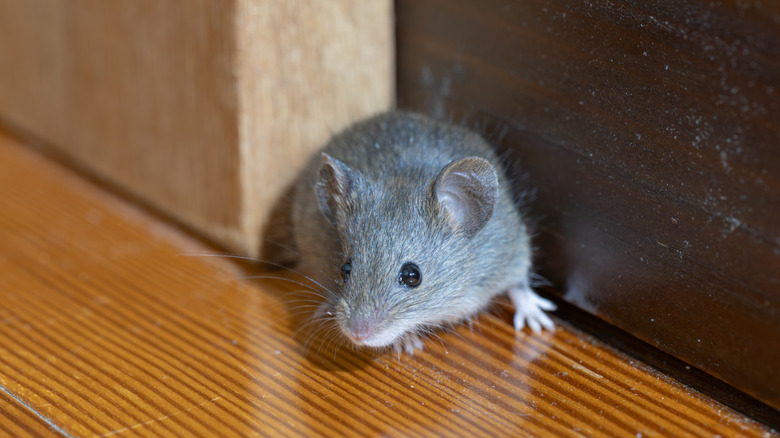 Kelly Marken/Shutterstock
Keep Mice Out of Your Home With This Copper Trick
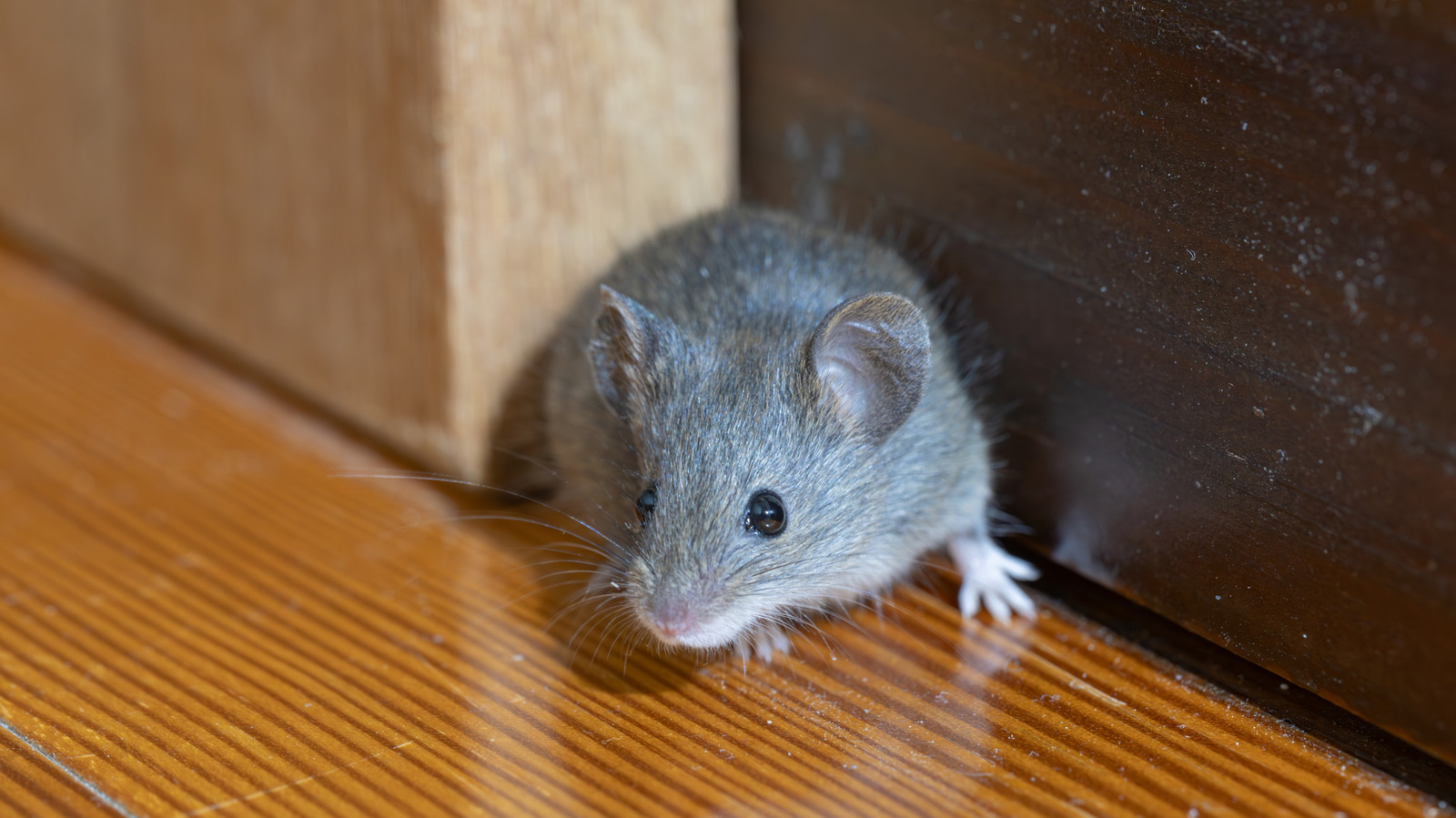
How to put copper mesh to work against rodents
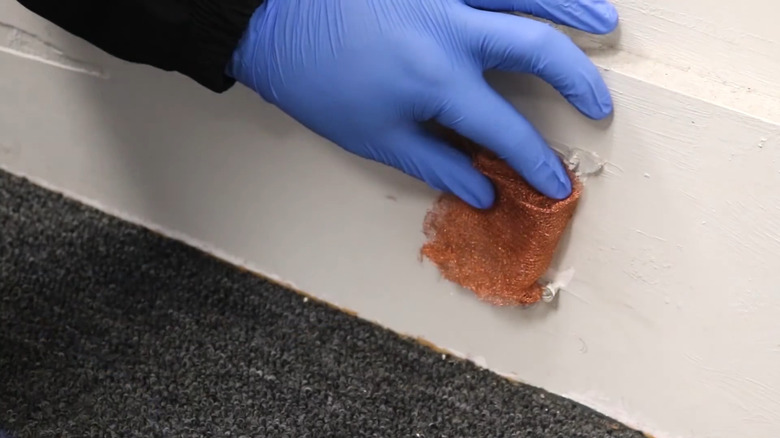
Once you get the hang of how copper mesh actually works, it’ll be easier to pick the right way to install it. You might’ve heard that copper mesh zaps rodents with electricity when they bite through it—but that’s just a myth. Plain copper doesn’t produce any electrical charge that’d shock a mouse. Some folks also claim copper’s too tough on rodent teeth, but here’s the thing: rodent teeth are actually harder than copper on the hardness scale. So what really does the trick? The mesh’s physical design. It’s made from thin, flexible wires that move around when rodents gnaw on it, making it nearly impossible for them to get a good bite. Plus, those sharp wire edges aren’t exactly inviting—they’re another reason mice want to give up. (Pro tip: wear gloves while putting it in place.)
Sure, mice can’t chew through the mesh itself, but they might push it out of the way if it’s not held down tight. A little caulk will keep everything in place, and you can even plaster and paint over the hole for a polished finish. For bigger openings, use expanding foam before you add the mesh and caulk on top. Another solid combo is pairing copper mesh with expanding foam. If you’ve got really large holes, think about using ¼-inch hardware cloth instead, which you can also cover with plaster. The key is creating a smooth surface with no exposed edges sticking out—that way, rodents can’t find a starting point to chew.
Why rodent prevention is never really “done”
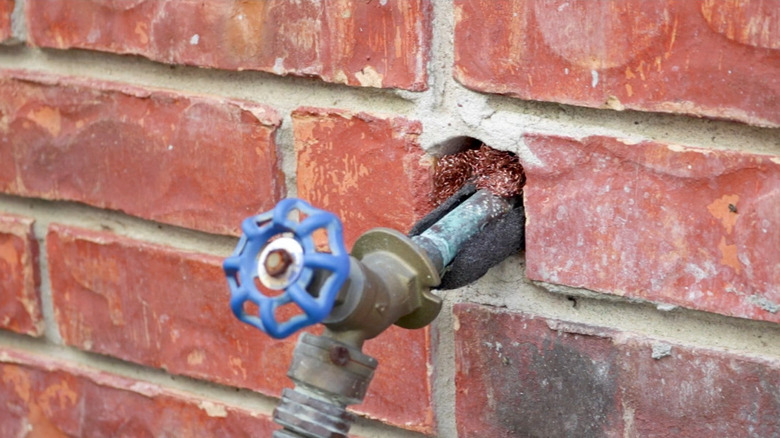
Mice are always going to try working their way into our homes—that’s just what they do. So keeping them out is something you’ll need to stay on top of rather than a project you finish once and forget about. Being alert is your best defense against mice taking over your space, and copper mesh is just one tool in your toolkit. It’s worth remembering that rodent teeth are tougher than iron, and their jaws are built specifically for gnawing. Since their teeth never stop growing, they’ve got to keep chewing to wear them down. The shape of their incisors helps them sharpen automatically, keeping them razor-sharp constantly, which means they can bite through lots of materials as long as they can grab hold.
When temperatures drop, make sure you seal any holes after repairs or utility work—mice are driven indoors when it gets chilly, so autumn is prime time to check your home for weak spots. Don’t overlook your door seals either, since mice only need that same ¼-inch gap to wiggle through.
Before you start filling gaps with copper mesh, clean out any droppings first, then disinfect the spot with bleach to kill germs and eliminate lingering smells. Once you seal an entry point, set a trap right there to catch any mice trying to find their old way in. And here’s a bonus: if you’ve got leftover mesh sitting around, it works great for keeping slugs away or blocking rodent entry points in your yard too.