
Chevy’s been a cornerstone of American cars since 1911. Just a few years later, in 1918, the brand joined General Motors’ growing family. The brand’s solid reputation shows in their sales — they moved 1.83 million vehicles in 2025 alone. And here’s the thing: Chevy really knows how to keep prices reasonable. They sell hundreds of thousands of cars under $30,000. According to Kelley Blue Book, their average price hit $48,884 back in May 2026, which is actually below the industry average of $49,220. Plus, they ranked in the top three for customer satisfaction in the mass market segment.
This mix of brand recognition, affordable pricing, and happy customers makes Chevy a natural fit for retirees. To help you narrow down your options, we’ve rounded up the best Chevrolet cars for retirement living. We looked at models built between 2020 and 2026, focusing on things like upfront cost, fuel efficiency, and what you’ll spend over the years. We also thought about comfort factors that matter to older drivers — things like interior space, how comfy the seats are, and how easy the car is to drive. We’ve included average prices and used car values as of July 2026 so you can see your financial options. We also checked out fuel economy and safety ratings to give you the full picture.
10. Colorado
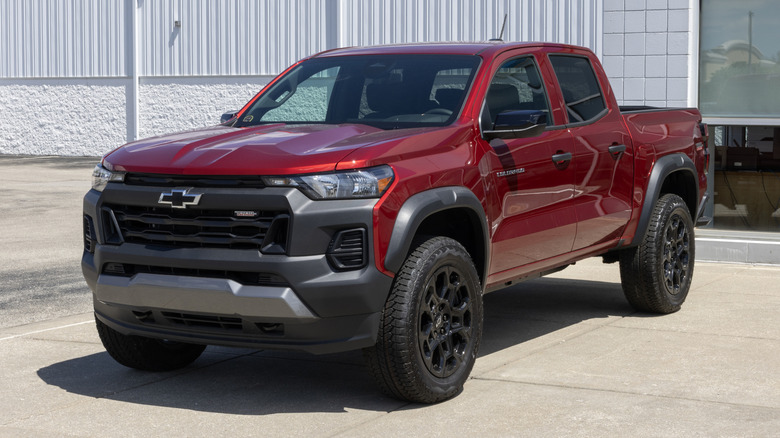
The Chevy Colorado might not win the fuel economy trophy, but it’s seriously one of the easiest trucks to live with in the lineup. This mid-size pickup is nimbler and lighter on your wallet than the full-size Silverado 1500, with prices ranging from $28,696 to $55,100 for the 2026 model. Good news for used shoppers — a 2022 Colorado starts around $19,000, which doesn’t save you a ton. Think of it as combining the easy handling of an SUV with the practical usefulness of a modern truck. Whether you’re handling daily drives, tackling a big project, or heading off the beaten path, the Colorado delivers. Its smaller footprint makes city driving and parking way easier than larger trucks. Inside, there’s plenty of room for five people, and everything’s comfortable and intuitive. If you love trucks or need solid hauling power, this could be your winner for retirement.
The 2026 Colorado gets about 21 miles per gallon for mixed city and highway driving. Over five years, you’re looking at roughly $46,611 in total ownership costs. Depreciation’s the biggest hit at $20,973. Insurance typically runs $11,790 over that span. Gas will set you back around $10,500, and maintenance and repairs come to about $3,348. The independent safety folks tested the 2026 Colorado and gave it crashworthiness scores that beat the industry standard.
9. Traverse
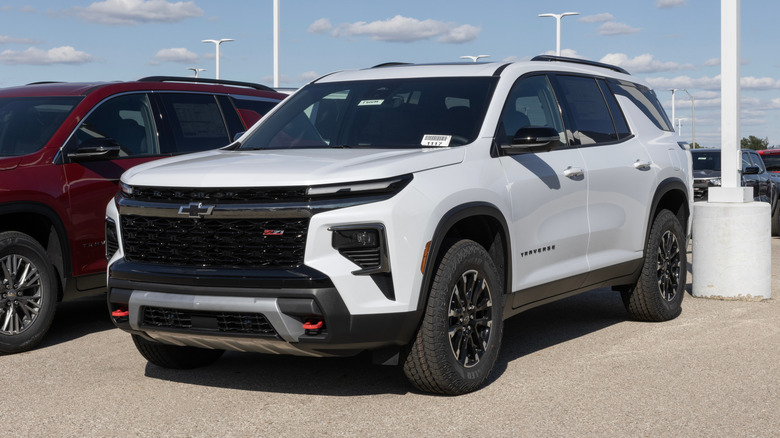
The Chevy Traverse is a roomy, capable SUV that comes out on top compared to rivals like the Honda Pilot and Nissan Pathfinder. The 2026 model runs between $36,869 and $60,002, and if you want a better deal, check out a 2022 for around $20,400. That said, we’d skip the 2009 Traverse since it’s known for reliability issues.
If you go with another year, though, you’ll love how this three-row SUV comfortably fits seven people with plenty of legroom in the back rows too. For retirees wanting a spacious, solid SUV without paying extra for a Tahoe or Suburban, the Traverse hits the sweet spot. It’s way cheaper than Chevy’s other big three-row options while keeping comfort high. Whether you’re driving buddies, grandkids, or the family pup, the Traverse gives you the space and smooth ride that other models at this price just can’t match.
The 2026 Traverse gets a combined 22 miles per gallon. Expect to spend around $53,830 over five years of ownership. Depreciation’s your biggest expense at roughly $28,710. Insurance coverage runs about $12,015, gas costs hit $10,045, and regular maintenance comes to around $3,060. The safety folks gave this SUV a Top Safety Pick award, showing excellent crashworthiness and safety standards.
8. Blazer
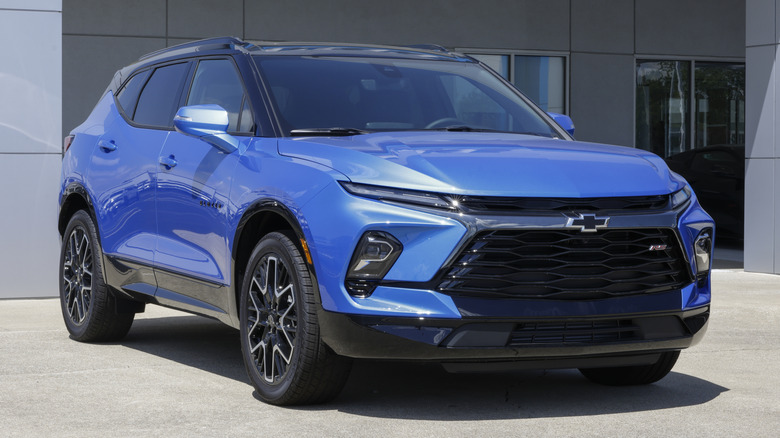
The Chevy Blazer (not its smaller cousin, the Trailblazer) is a mid-size SUV priced between $32,452 and $53,318. If you’re hunting for used, a 2022 Blazer typically goes for about $20,500 as of summer 2026. Here’s the fun part: it looks like a Chevy Camaro dressed up as an SUV. But that sporty design actually translates into practical, enjoyable driving. This mid-size option seats five with agile handling. The second row’s spacious enough for adults, making it friendlier for retirees than some compact rivals. It handles nicely on the road and keeps things quiet on the highway. Plus, the 10.2-inch touchscreen is super easy to use and comfortable to reach. There’s an electric version, but it’s pricier.
The base 2026 Blazer gets roughly 25 miles per gallon in mixed driving. Over five years, you’re looking at about $47,923 in total ownership costs. The average Blazer loses around $22,807 in value during that time, and insurance runs another $12,905. Gas costs come to about $9,240, while maintenance and repairs are the smallest expense at $2,971. Safety testers put the 2026 Blazer through a small overlap front collision test and it scored top marks.
7. Sonic
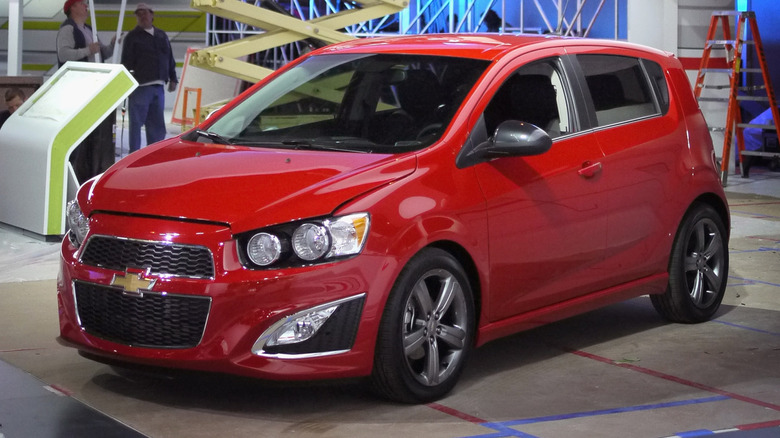
Even though the Chevy Sonic’s been discontinued, it’s still a solid pick for retirees thanks to amazing fuel economy, an affordable price tag, and smart design. The latest 2020 model typically costs between $8,967 and $12,135. Want an even better deal? A 2016 Sonic starts around $5,200. This nameplate comes in both sedan and hatchback flavors, giving you options. Both versions seat five people. The Sonic’s compact size means responsive, snappy handling. It’s perfect for zipping around town and is fuel-efficient enough for longer drives too. Even though it was discontinued in 2021, the final Sonic model packs some nice features like Wi-Fi hotspot, a 7-inch infotainment screen, plenty of USB ports, and intuitive controls.
The 2020 Sonic gets a combined 29 miles per gallon, which stacks up nicely against many newer vehicles. Compared to the average 2026 model, this fuel efficiency could save you about $250 over five years based on July 2026 gas prices. If you drive 15,000 miles yearly, expect to spend roughly $2,150 on fuel annually. Maintenance costs typically run about $536 per year. While it didn’t get a formal safety award, the 2020 Sonic scored top marks on all crash tests, showing solid crashworthiness.
6. Spark
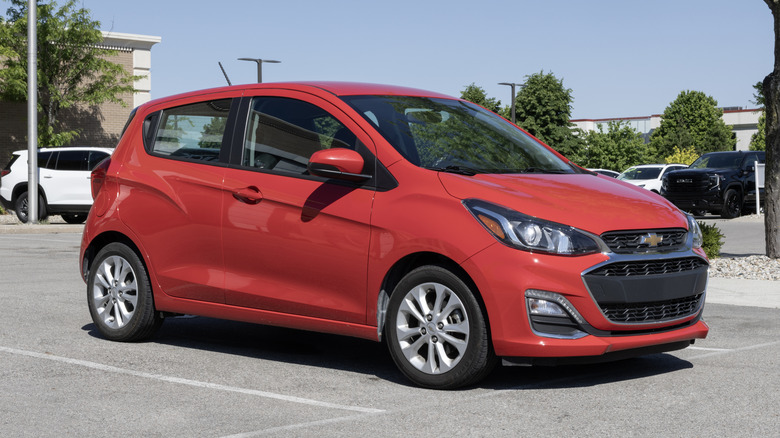
The Chevy Spark is another retiree-friendly model that’s no longer made. Its final year was 2022, and you can think of it as a smaller, more compact version of the Sonic. This hatchback usually sells for $10,371 to $15,581 for the 2022 model. Looking for a better bargain? The 2018 Spark starts around $8,300. It matches the Sonic’s fuel efficiency and practicality, just in a more compact package. This ultra-affordable option seats four and has a surprisingly refined interior for the price. Even though it’s small, retirees appreciate its raised driver’s seat, wide front doors, and fold-down armrests for easier access.
The 2022 Spark averages 33 miles per gallon combined — impressive enough to beat the average 2026 model at 28 miles per gallon. Since this model’s been discontinued, we don’t have long-term ownership estimates. However, fuel costs typically run about $1,900 annually if you drive 15,000 miles per year. That could add up to roughly $1,500 in savings over five years compared to today’s industry standard. Maintenance and repairs usually cost around $434 annually. Safety testing shows the 2022 Spark has roughly average crashworthiness. While it wasn’t tested as extensively as some others, it scored top results on all its crash tests.
5. Equinox EV
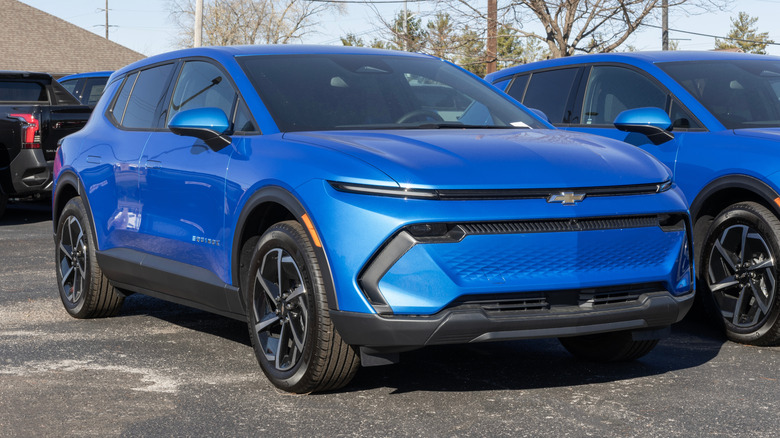
Fresh on the scene since 2024, the Chevy Equinox EV brings all-electric energy to the long-popular Equinox SUV. The 2026 model typically runs between $29,783 and $50,985. Looking at used options? A 2024 model starts around $24,300 on average. While the Bolt is Chevy’s more famous EV, it’s had some battery troubles. The Equinox EV offers similar spacious interiors, comfortable seating for five, and an impressive 319-mile range on a full charge. The drive is smooth and relaxing. With
Related Posts

Living Well on Under $1 Million: The Best US States for Your Retirement
July 10, 2026 1:15 pm EST Jacob Wackerhausen/Getty Images Living comfortably in retirement boils down…
14 Cars That Last Longer Than A Honda CR-V
March 2, 2026 1:15 pm EST Jonathan Weiss/Shutterstock The Honda CR-V has earned its reputation…

Surprising Investments That Can Outperform Real Estate (But Beware the Risks)
Feb. 24, 2026 6:30 am EST Hapabapa/Getty Images For a long time now, U.S. home…