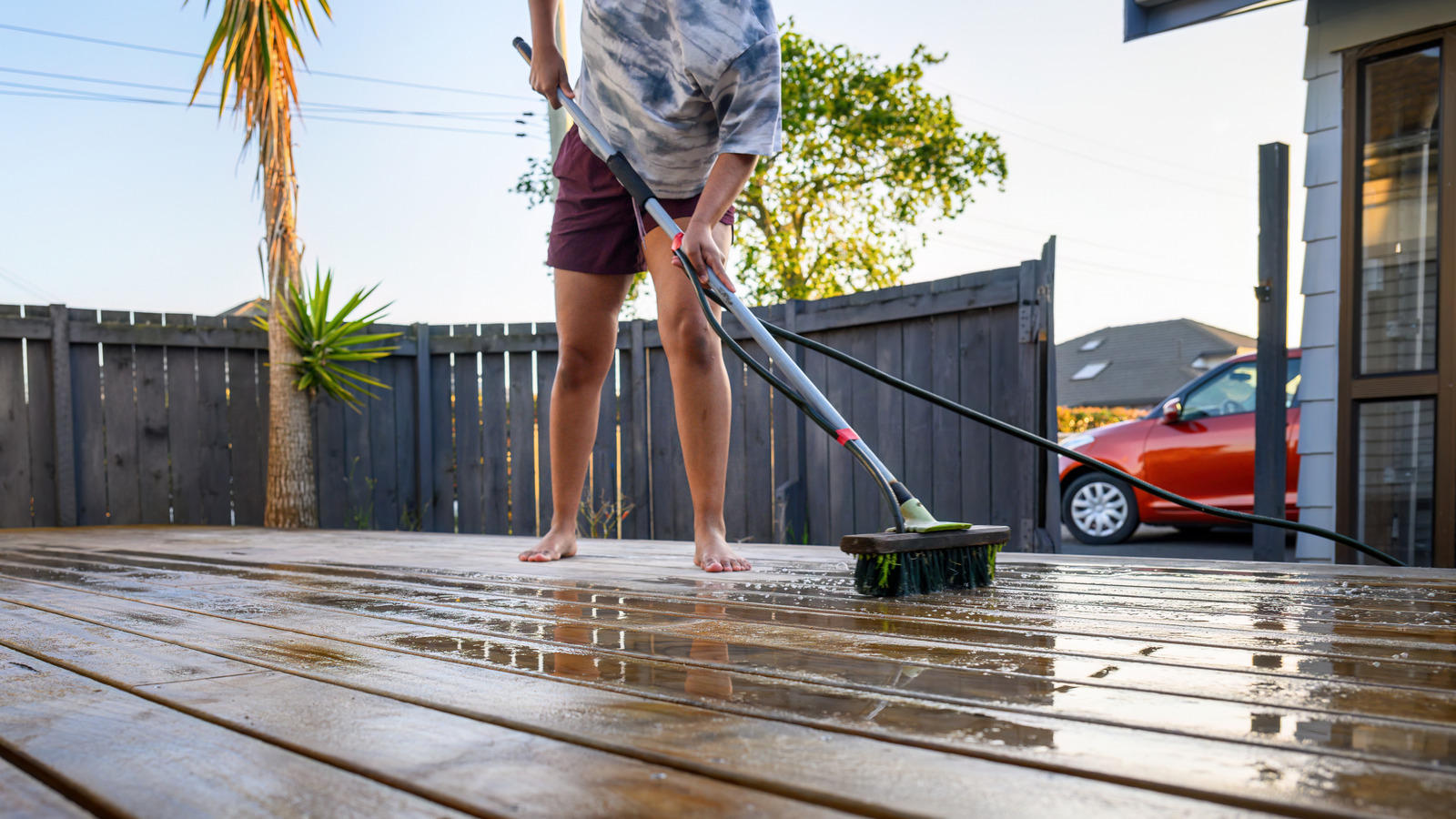
We may receive a commission on purchases made from links. A stunning weathered wood deck really elevates your outdoor space and makes it look fantastic. But here’s the thing — to keep it looking great and lasting for years to come, you’ve gotta clean and maintain it regularly. Unfortunately, that’s where a lot of homeowners drop the ball. Some just wait around for rain to do the job for them, while others cut corners in ways they think are helpful. The end result? A deck with ugly discoloration and rough, splintery boards that might need expensive professional work to fix. That’s why it’s super important to know about the biggest goofs people make when cleaning their decks, so you can nail it the first time without ending up frustrated on Reddit or venting to your neighbors. The main no-nos include using bleach and harsh chemicals, or scrubbing with hard metal brushes. Running a pressure washer on the wrong settings or without the right attachments can trash your deck too. Skipping repairs before you start cleaning, or ignoring the space under your deck, can also cause some serious problems — and we’ll walk you through why below.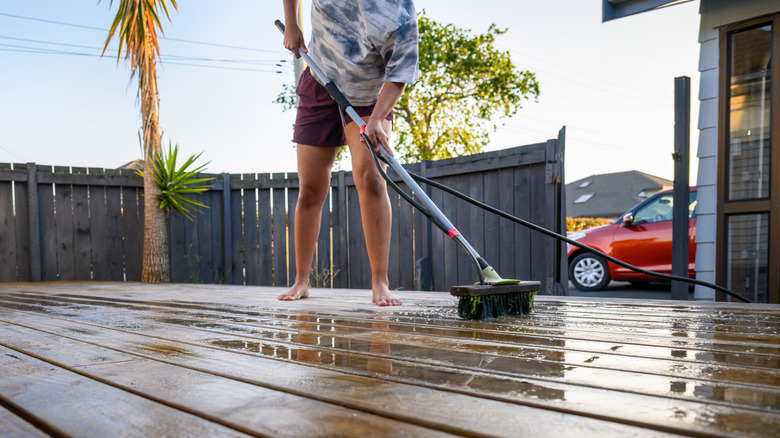 Janice Chen/Getty Images
Skipping repairs before you clean
 KimVermaat/Shutterstock
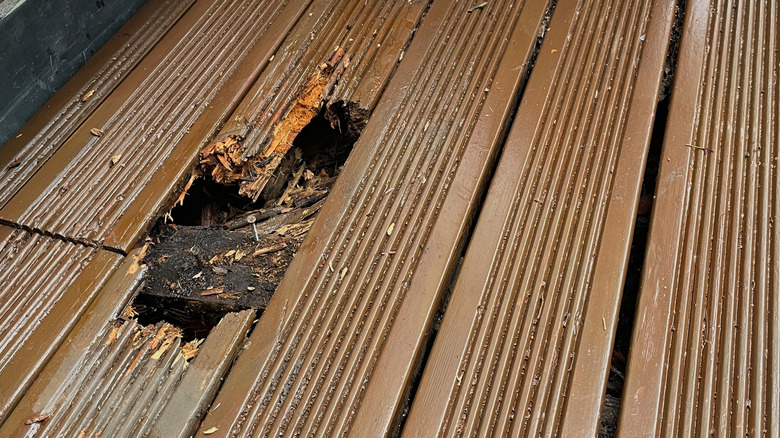
 Tons of homeowners mess up by washing their deck without fixing it first. After months of sitting around, battling the weather, and just plain old wear and tear, your deck might have loose bolts, nuts, boards, or railings. If you clean it in that state, water can soak deep into the boards, causing rot, or speed up rust around screws and fasteners. Some nails might need hammering back down, or they could stick up and become a tripping hazard. Plus, it’s a perfect chance to check out the wooden posts holding everything up.
So just sweeping off leaves and dirt before busting out the hose isn’t gonna cut it. You really need to do a thorough check-up, looking for cracks, warped boards, loose hardware, discoloration, mold, and rotting spots. Grab a screwdriver and poke any dodgy areas to look for soft wood that could mean hidden rot. Only after you’ve taken care of the repairs should you move on to cleaning.
Reach for bleach and harsh chemical cleaners
 Borisenkov Andrei/Getty Images
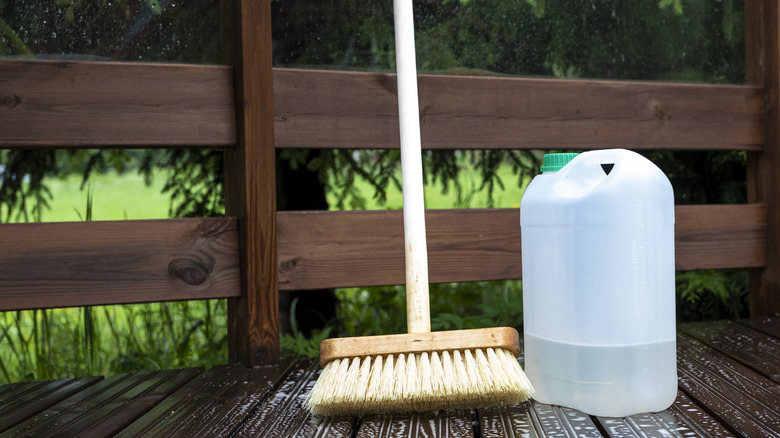
 Don’t use bleach or any other nasty chemicals, like those two-part acid cleaners. Yeah, they might temporarily make the wood look brighter and kill off some mold, but they’ll wreck the wood itself. These aggressive cleaners strip away the top layers of wood, including the lignin that holds it together, and can leave ugly stripes behind. The result is wood that looks rough and beat up.
Plus, a roughed-up surface grabs onto dirt more easily and stops new stain from sticking properly, which means your finish won’t last as long. Bleach is also rough on the caulking between boards and can cause rust to develop in fasteners and screws, creating a real safety problem. And if you’ve got plants on your deck, watch out — bleach splashes or runoff will damage or kill them.
Instead, reach for a gentle, ammonia-free all-purpose cleaner or just use a tiny bit of dish soap. It’s safe for any wooden deck, whether it’s painted or stained with oil, and won’t damage or peel anything.
Blasting with a pressure washer at the wrong power level
 Antoni M Lubek/Shutterstock
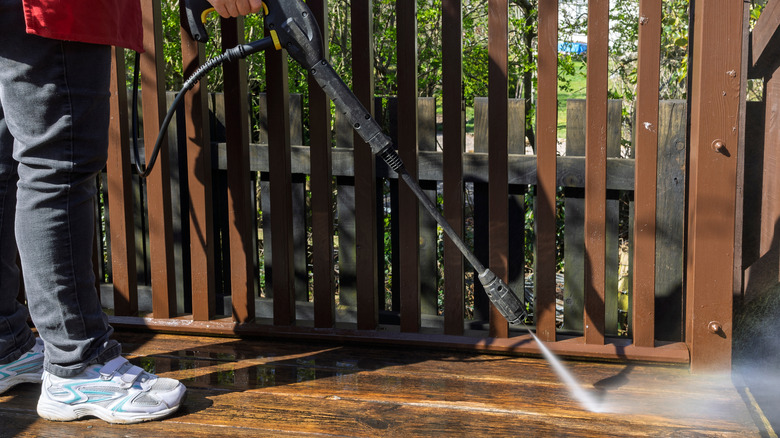
 Here’s the thing — using the wrong pressure setting can actually leave your deck in worse shape than it started. Sure, it seems like cranking up the water pressure to blast away dirt and algae would work great, but you’re playing with fire. High-pressure water can carve into the wood, strip off stain, and roughen everything up, which usually means you’ll need to sand and refinish. In the worst cases, water gets deep into the boards, which means warping and rot in your future.
So what’s the sweet spot? It really depends on your wood type. Softer woods like pine or cedar do fine with 500 to 800 PSI, while hardwoods can handle up to 1200 PSI. Using the right spray nozzle is also super important to keep the pressure in check. Look for a nozzle with a 40-degree tip — a 25-degree tip works if stains are really stubborn, but anything sharper can seriously damage your wood. Play it safe and start on a low setting in a spot that won’t matter much if it goes wrong (like the steps or edges). Keep that spray moving smoothly and steady, staying about 12 to 18 inches away from the deck to avoid gouging.
Scrubbing with hard wire or metal brushes
 Emagnetic/Shutterstock
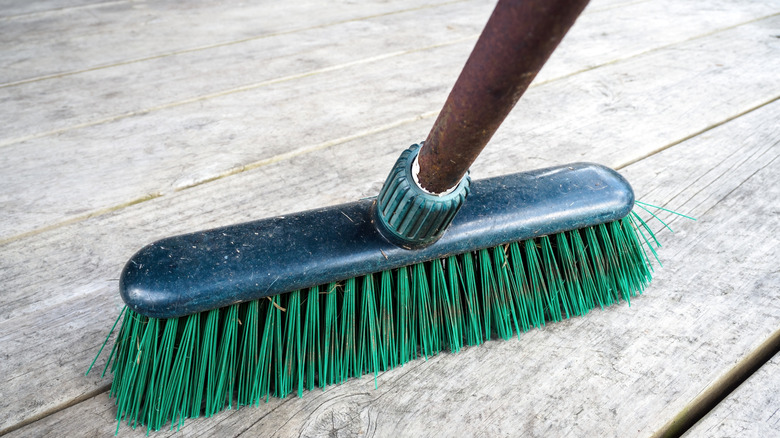
 When you don’t clean your wooden deck on the regular, you know it’s gonna pile up with dust, grime, junk, mildew, and stubborn stains. Since ramping up the pressure washer isn’t a safe move, sometimes you just gotta scrub them off. But here’s where folks mess up — they grab hard, wire, or metal brushes thinking they’ll save time and effort. Big mistake. Those brushes will scratch and splinter the wood like crazy. That means your deck gets more vulnerable to weather damage, moisture problems, fading, and it’ll wear out faster overall. Wire brushes can also rip up the caulking between boards and around joints.
To keep your deck safe, stick with soft-bristled brushes made of plastic or nylon, like a broom. The bristles should be gentle and glide smoothly across the surface. These work great for getting into corners too. When scrubbing (unless you’re just spot-treating), move along the grain direction, not against it — otherwise, the scratch marks will stick out like a sore thumb.
Leaving the area underneath your deck dirty
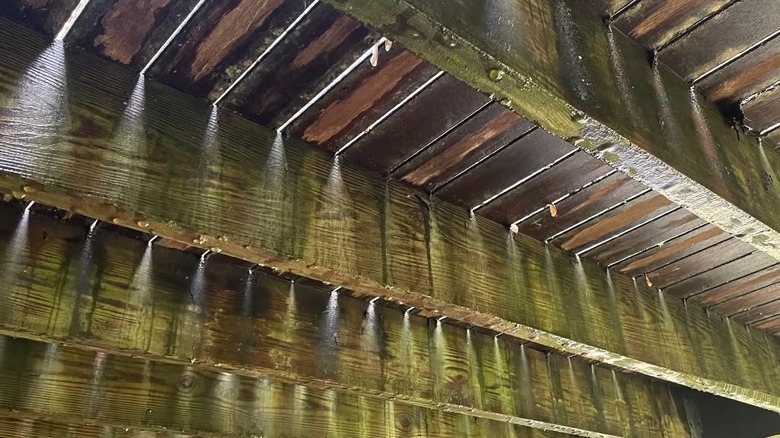
Most folks think they’re done after cleaning the top of their deck. But honestly, the underside needs some love too, even if you can’t see it. The thing is, leaves, twigs, and debris don’t stay on top — they fall through the cracks between boards and pile up underneath. Left alone, all that buildup traps moisture, which invites rot, mold, and mildew. This is especially bad in super humid areas or places with heavy winter rain, and it’ll eventually show up on the top side. Over time, serious rot can actually weaken the structure of your whole deck. Oh, and let’s not forget that all those leaves attract caterpillars, ants, spiders, and rodents looking for a cozy place to hang out, which makes pest problems way harder to deal with.
When you clean your deck every year, take some time to sweep out leaves, cobwebs, and other junk from underneath with a broom. A portable vacuum or leaf blower works too, as long as everything’s totally dry to avoid messing up your equipment. Then give it a nice rinse with a hose or pressure washer. If you think there’s mold growing down there, treat it with a cleaner made for that and gently scrape it away with a soft-bristle brush first. When you rinse, start near the house and work your way out so water flows away from the structure, and you won’t end up soaking yourself.