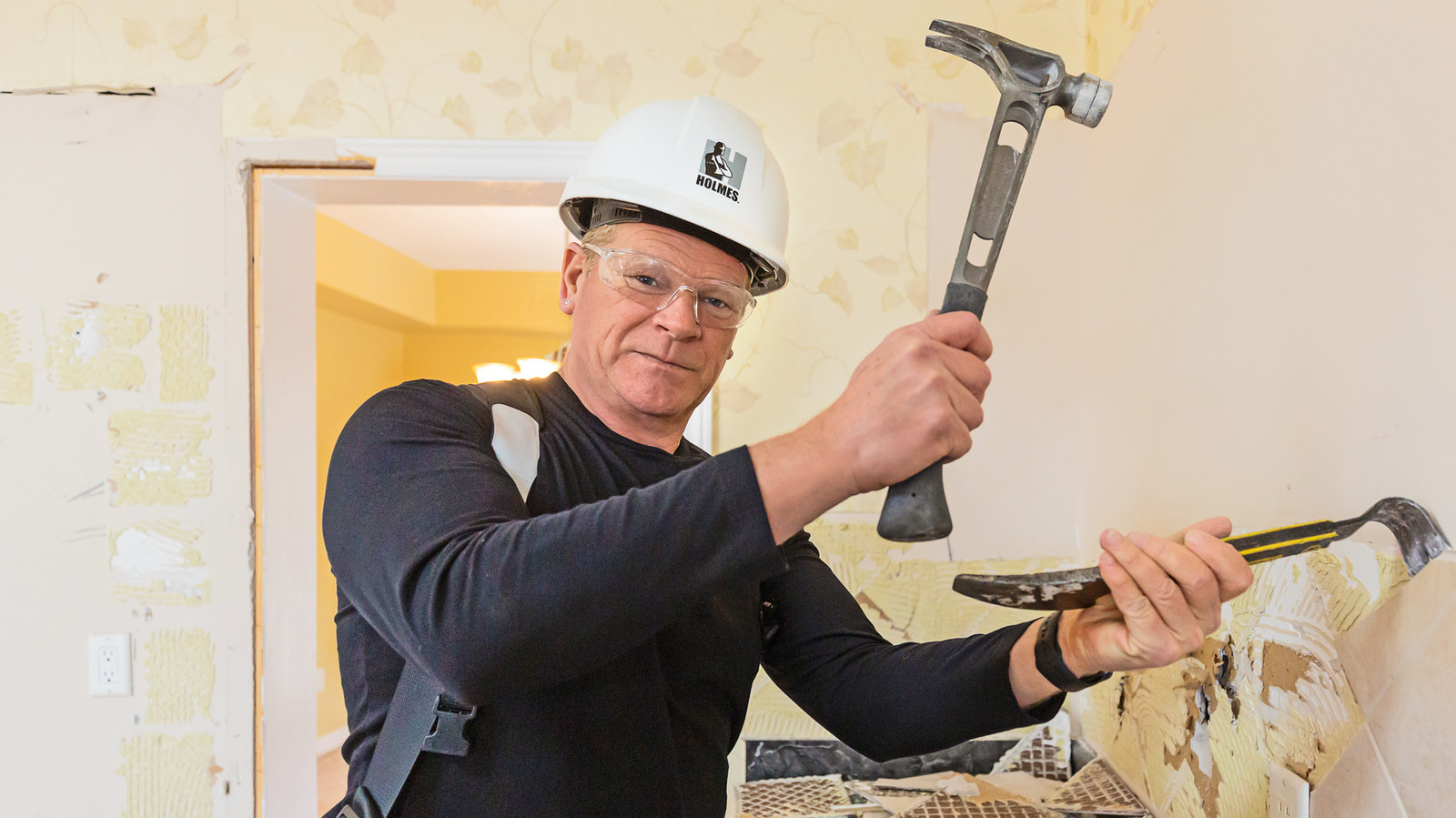
Buying a home is a big deal, and getting a proper inspection is one of the most important steps. But did you know there’s a lot more that a thorough home inspector like HGTV’s Mike Holmes looks into beyond the obvious issues? Let’s dive into the key things he says an inspector should be on the lookout for.
While we may think inspections just involve checking for things like structural, electrical, and plumbing problems, Holmes explains that inspectors aren’t required to do everything – but a top-notch one will go the extra mile to uncover any hidden issues.
Knowing what to expect from your home inspection can really help you save money on future repairs and keep your family safe. So let’s get into it!
Holmes doesn’t overlook the obvious
 Mosqqquito Ph/Shutterstock
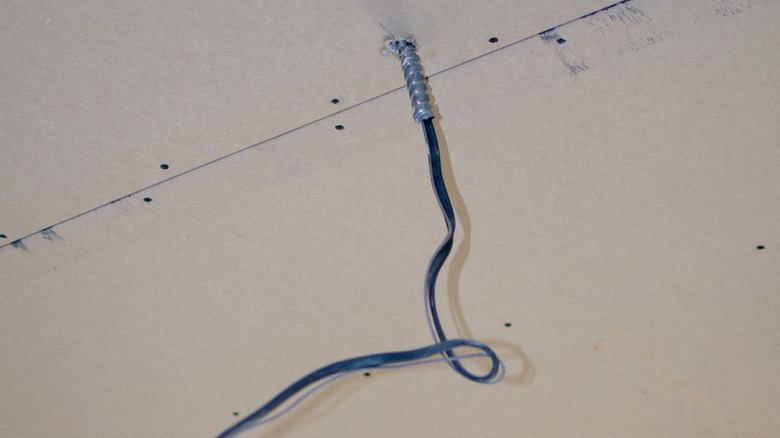
An experienced home inspector should be on the lookout for any clear signs of potential issues, like water stains, cracks in the foundation, a sagging roof, or exposed wiring. These obvious red flags could point to bigger problems lurking under the surface.
He knows electrical problems can happen in new builds
 Flystock/Shutterstock
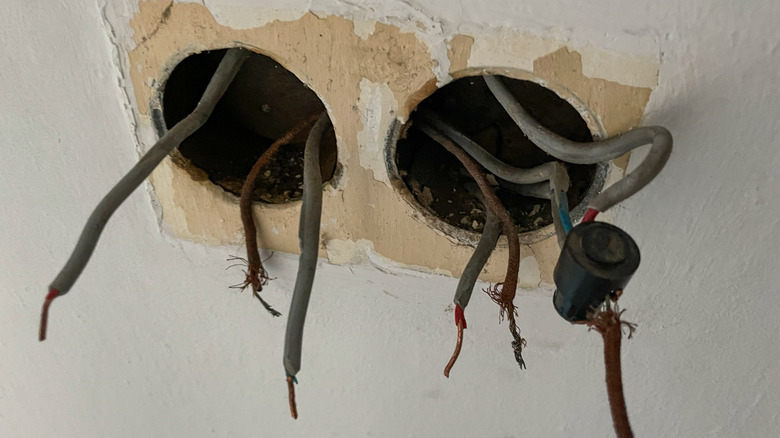
Electrical issues can be extremely dangerous, so Holmes makes sure to check for any problems, even in brand new homes. He looks for outdated wiring, overloaded circuits, improper installation, and water near electrical systems – issues that could lead to devastating fires.
Holmes highlights common plumbing issues
 Nickbeer/Getty Images
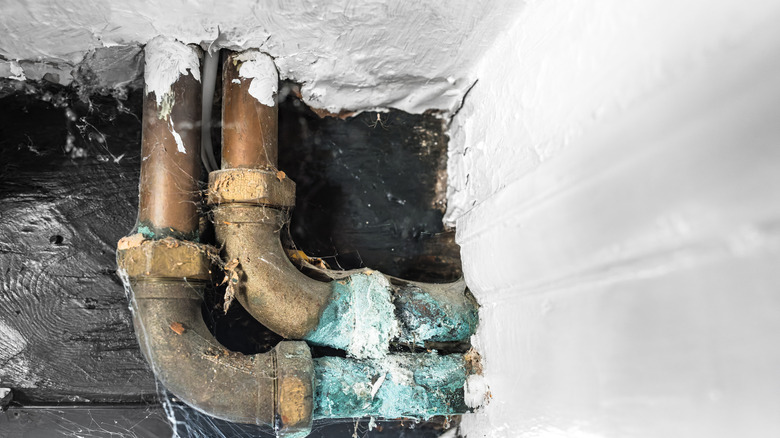
Plumbing problems are one of the most common issues Holmes’ team finds during home inspections. They’ll check for signs of leaks, corroded pipes, water pressure issues, and problems with the septic or sewer system. Any plumbing defects can lead to serious structural damage, mold, and costly repairs down the road.
HVAC should be thoroughly inspected
 ungvar/Shutterstock
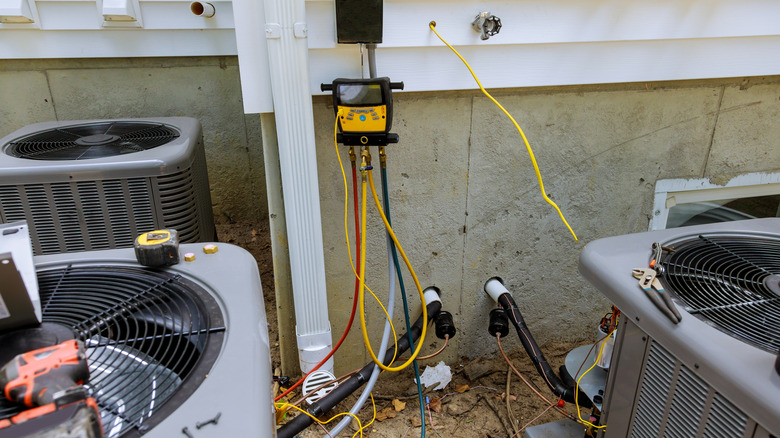
While a basic home inspector might just check that the HVAC system is working, Holmes digs deeper. He looks for issues like clogged filters, improper insulation around ducts, and signs the furnace or AC may be nearing the end of its lifespan. Keeping a close eye on the HVAC is crucial to avoid expensive repairs down the line.
Holmes looks at the finer details of a home’s structure and foundation
 Patrick Hatt/Shutterstock
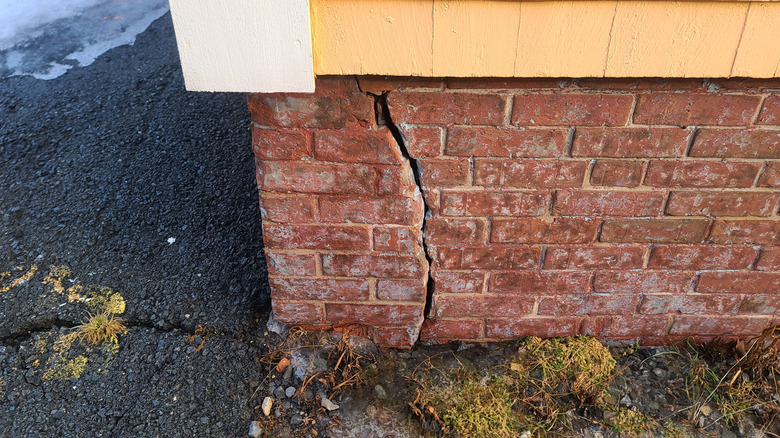
While obvious structural issues are usually spotted, Holmes looks for more subtle signs of damage, like stair-step cracks in the foundation or doors/windows that won’t shut properly. These finer details can indicate bigger underlying problems.
Issues on the roof can go unnoticed in regular inspections
 Sbsartdept/Getty Images
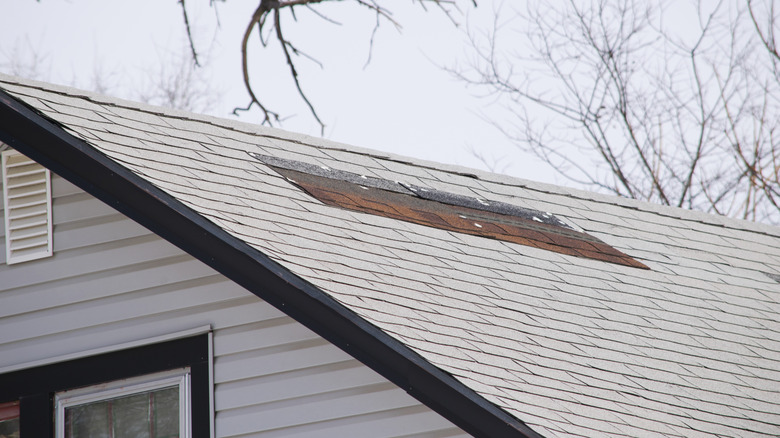
Regular home inspectors may not always climb up on the roof for a thorough check. But Holmes knows that’s where you can find important issues like missing shingles, sagging, or problems with downspouts and chimneys. He recommends getting a specialist to inspect the roof closely.
Heat loss or moisture intrusion may be missed by certain inspectors
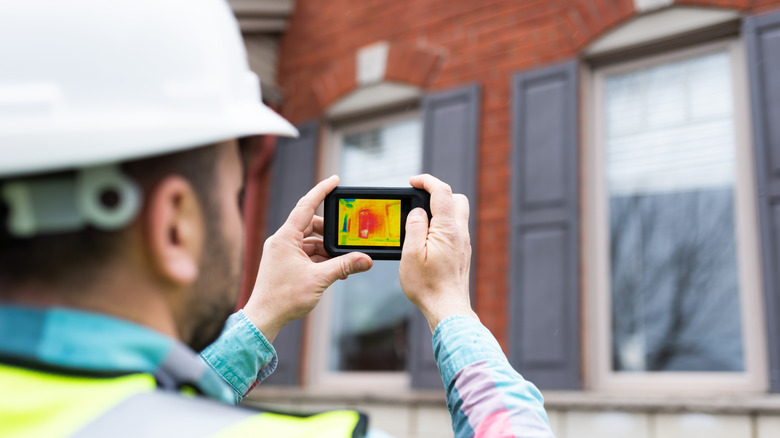 Warchi/Getty Images
Problems like heat loss and moisture intrusion can indicate serious underlying issues, but a regular inspector may not catch them. Holmes recommends using thermal imaging to detect hidden problems around windows, doors, and other areas.
Holmes goes the extra mile by inspecting appliances
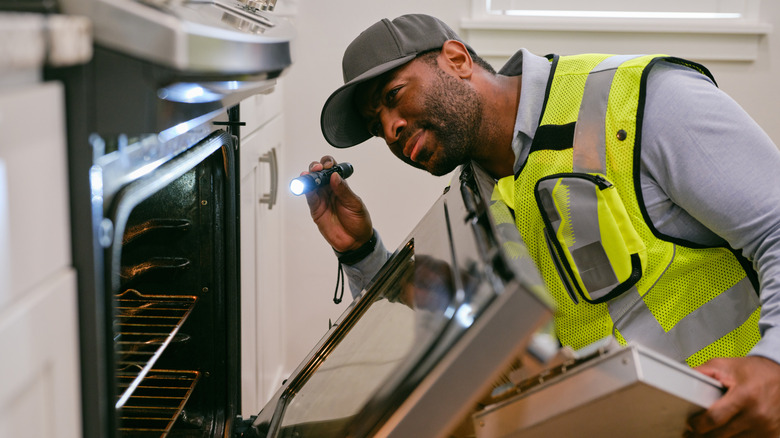 O2o Creative/Getty Images
While a basic home inspector might just turn appliances on and off, Holmes goes the extra mile. He checks for leaks, electrical issues, seal problems, and other hidden defects – especially important if the appliances are included in the home sale.
A thorough inspector will alert you to potential unpermitted work
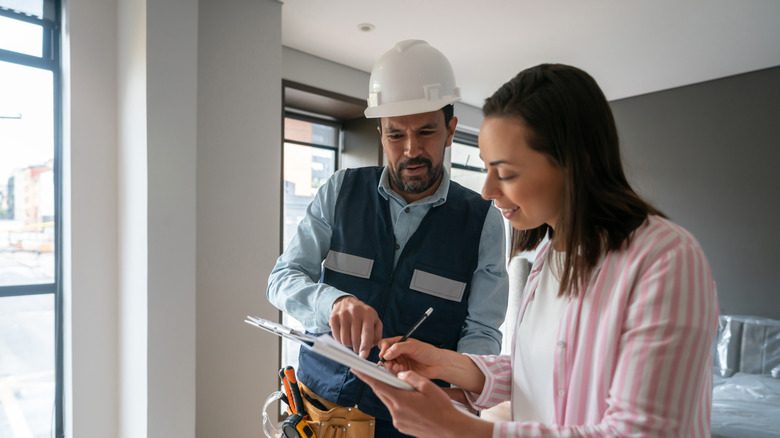 Hispanolistic/Getty Images
Lastly, a good home inspector will let you know if they spot any signs of unpermitted work or renovations. While they may not dig into the records, they’ll point out any red flags so you can investigate further.