
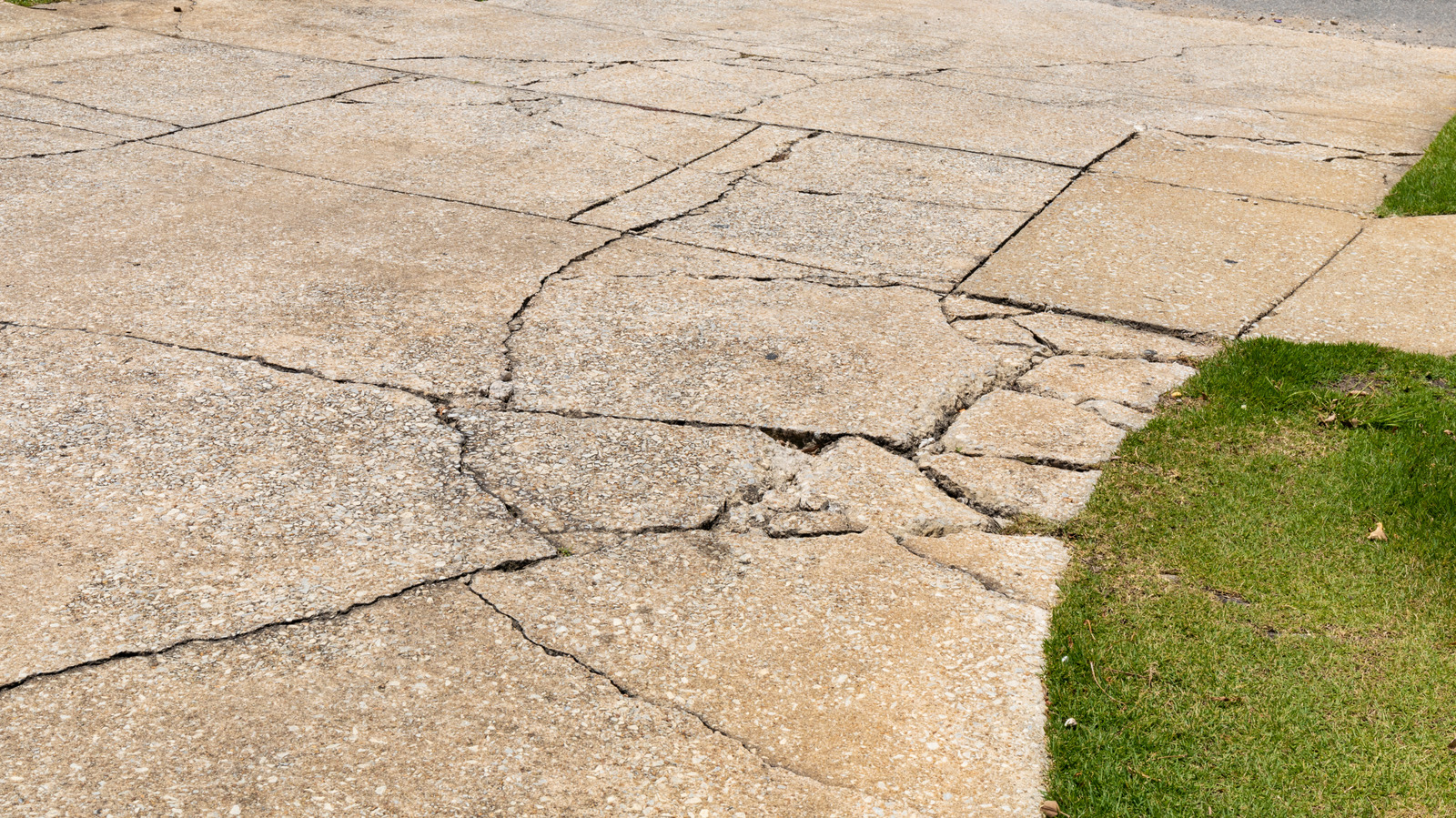
We may receive a commission on purchases made from links. Driveways can be easy to forget about until they start showing their age. But a sinking driveway isn’t just an eyesore – it can also pose real risks. Whether you have concrete or asphalt, there are lots of reasons your driveway could be sinking. Tree roots, burrowing animals, heavy vehicles, and poor installation are just a few of the culprits. The good news is there are fixes for most sinking issues, like concrete leveling, asphalt patching, and improving drainage. But the key is catching problems early before they get worse. Stay on top of your driveway and it’ll keep serving you well for years to come. If you’re dealing with a sinking driveway, don’t worry – we’ve got your back. Read on to learn about 12 common causes and 12 ways to fix them.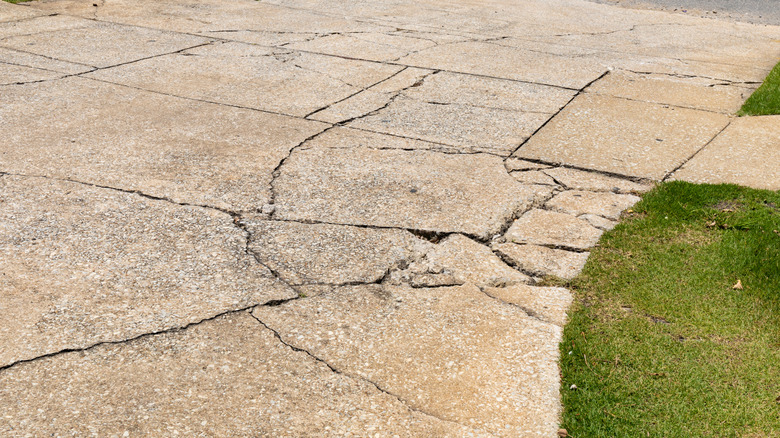 Ottoblotto/Getty Images
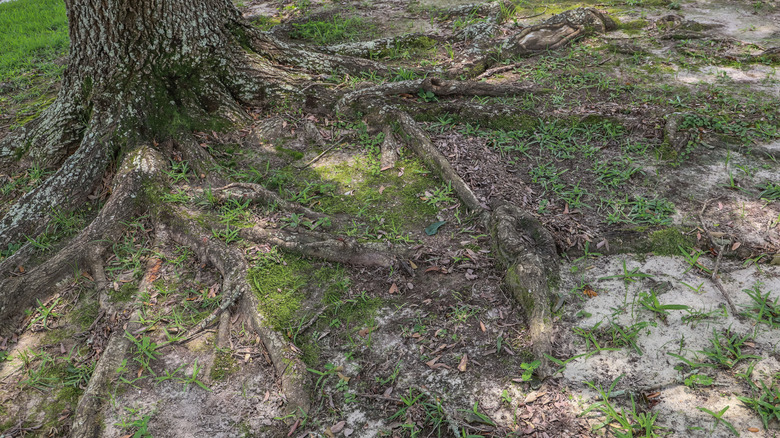
Tree roots growing under your driveway
 Ucpage/Getty Images
Trees can be a beautiful part of your yard, but their roots can spell trouble for your driveway. As the roots grow and spread underground, they can create pressure that pushes your driveway up and causes cracks. If the damage is minor, you can fix it with some simple patching. But if the cracks are severe, you’ll need to call an arborist first to see if the roots can be trimmed without harming the tree. After that, you can replace the damaged sections and install a barrier to prevent future root-related issues.
Animals burrowing below your driveway
 Sbfly/Shutterstock
Cute critters like chipmunks and gophers can cause big trouble for your driveway. When they burrow under it, they create gaps in the soil that make your driveway sink over time. The first step is to call in a pest control pro to remove the critters and prevent them from coming back. Then you can use concrete leveling or asphalt patching to fill in the holes and level out your driveway again.
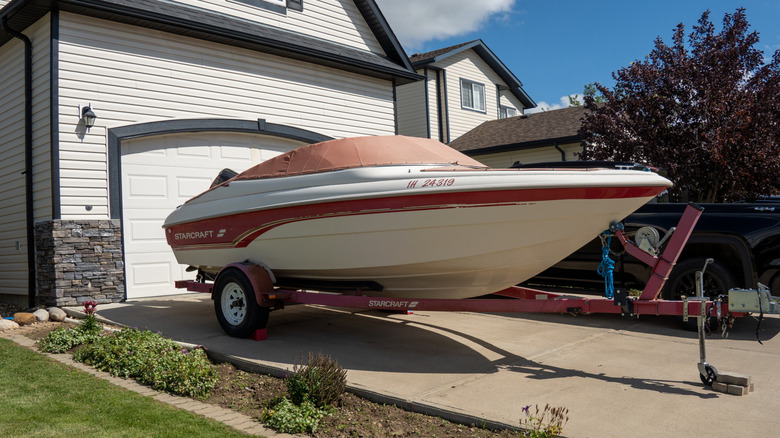
Parking heavy vehicles and/or machinery on your driveway
 vietanh85/Shutterstock
Your driveway may be tough, but even it has its limits. Parking heavy vehicles like RVs, boats, or construction equipment can really put a strain on it. Over time, all that extra weight can lead to cracks and sinking. The fix is to reinforce the base with thicker gravel or fabric to give it more support. And in the future, try to avoid leaving those heavy machines parked in one spot for too long.
Improper installation
 Alex Vog/Shutterstock
You’d think all driveways are pretty much the same, but that’s not the case. Shoddy installation with low-quality materials can make your driveway more likely to crack and sink over time. If the base wasn’t properly prepared or the wrong stuff was used, you’ll need to stabilize it with concrete leveling or asphalt repair. In some cases, you may even need to completely rebuild the foundation.
Flooding/heavy rain
 Justin Smith/Getty Images
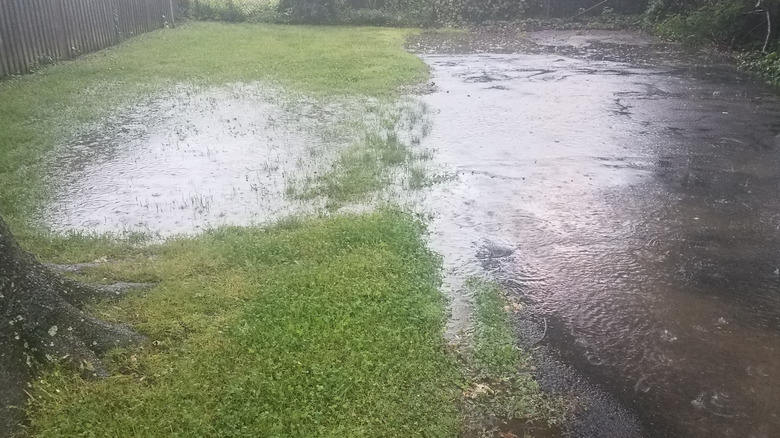
When heavy rains hit, all that excess water can really wreak havoc on your driveway. It washes away the soil underneath, creating gaps and holes that lead to sinking. The key is to focus on improving drainage around your driveway with things like French drains or catch basins. Once that’s taken care of, you can use concrete leveling or asphalt repair to fix the damage.
Incorrect slope
 Vadim Gouida/Shutterstock
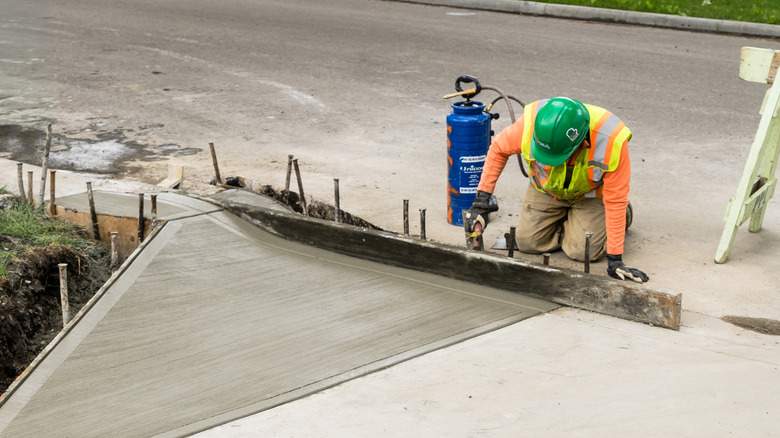
Driveways are supposed to have a slight slope to help water drain away properly. But if the slope is off, that excess moisture can weaken the soil and cause sinking. The good news is you can often fix this by installing a drain or resurfacing the driveway to get the right slope. Just be sure to avoid slopes over 12% – that’s the max for a driveway.
Freezing and thawing
 sommthink/Shutterstock
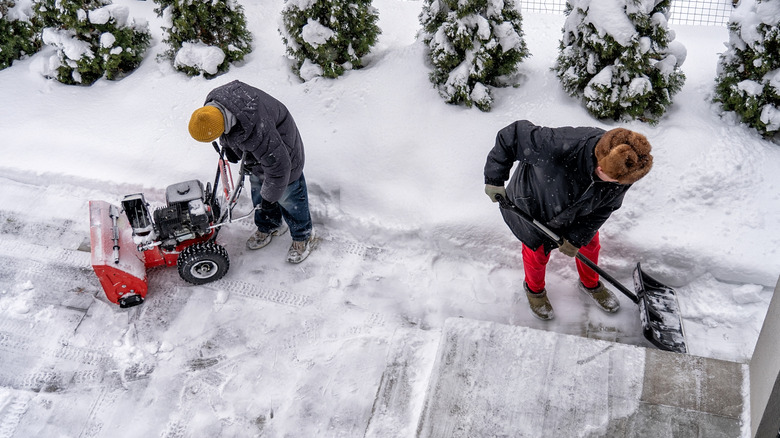
If you live in a place with harsh winters, the constant freezing and thawing can really take a toll on your driveway. As moisture seeps in and expands when it freezes, it can cause the soil to shift and your driveway to sink. Repairing cracks early and using driveway sealants can help minimize the damage. You’ll also want to be careful with rock salt, as it can speed up the freeze/thaw cycle.
Inadequate or missing base material
 Anatoler/Getty Images
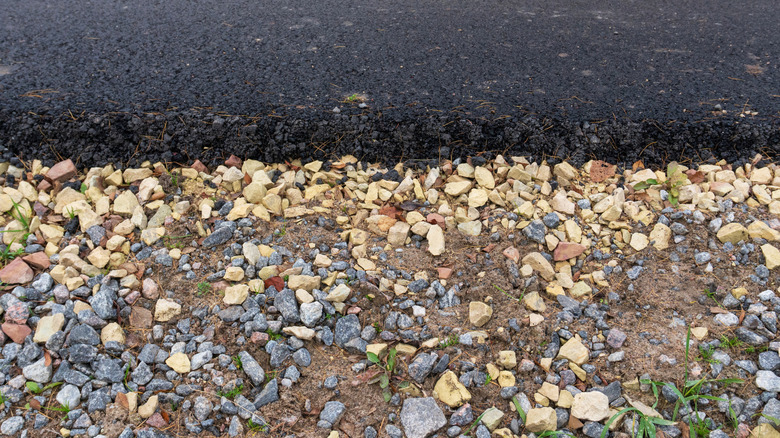
A solid foundation is key for any driveway. Without a proper base made of materials like crushed stone or gravel, the soil can shift and cause sinking. If the damage is minor, concrete leveling may fix it. But for more severe issues, the whole driveway may need to be rebuilt with a better base.
Soil naturally settles over time
 Wiphop Sathawirawong/Getty Images
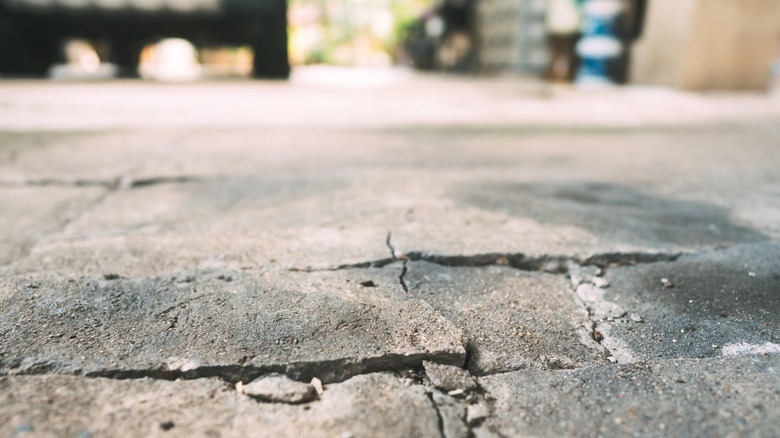
Even without any major issues, the soil under your driveway will naturally settle and compress over time. This can create gaps that lead to sinking, especially with the constant weight of vehicles. Concrete driveways are more prone to this because they’re less flexible. But leveling procedures can usually fix the problem without a full replacement.
