As the cold weather starts warming up and winter finally lets go of the ice and snow, all that frozen stuff begins melting into water. If you’ve got a basement or any underground areas, this melting snow can bring a whole new set of challenges and put stress on your sump pump. Understanding why snowmelt can cause problems, and how to prepare for it, can save you from any water damage or stressful emergencies down the road. When the snow melts, it raises the groundwater levels, which can overload your sump pump, clog it up, cause the switch to fail or the power to go out, and even crack your pipes from the freeze-thaw cycles. As all that snowmelt water has to go somewhere, it often heads for the easiest path – which is usually towards your home’s foundation. If water pools up against the foundation, it can seep right into your basement or crawlspace, forcing your sump pump and other systems to work overtime. Over time, those higher groundwater levels can really strain your sump pump. That’s why it’s a good idea to inspect, test, and do any necessary repairs on your sump pump before winter hits. Ollikainen/Getty Images
Snow Melt May Mean Sump Pump Issues: What To Watch For
Sump pump problems during snowmelt, and how you can prepare
 Robin Gentry /Getty Images
 All that melting snow can really overwhelm your sump pump, especially if it’s an older model or not big enough for the job. When the pump has to run constantly, it wears out the motor a lot faster, shortening its lifespan. Frozen discharge lines or ice and debris buildup can cause blockages, leading to water backing up into the pump itself. And if your pipes thaw out too quickly, they can spring leaks and cause even more buildup or flooding. Your float switch, which triggers the pump to turn on when water reaches a certain height, could also malfunction when there’s just too much melting snow, leading to overflow and flooding.
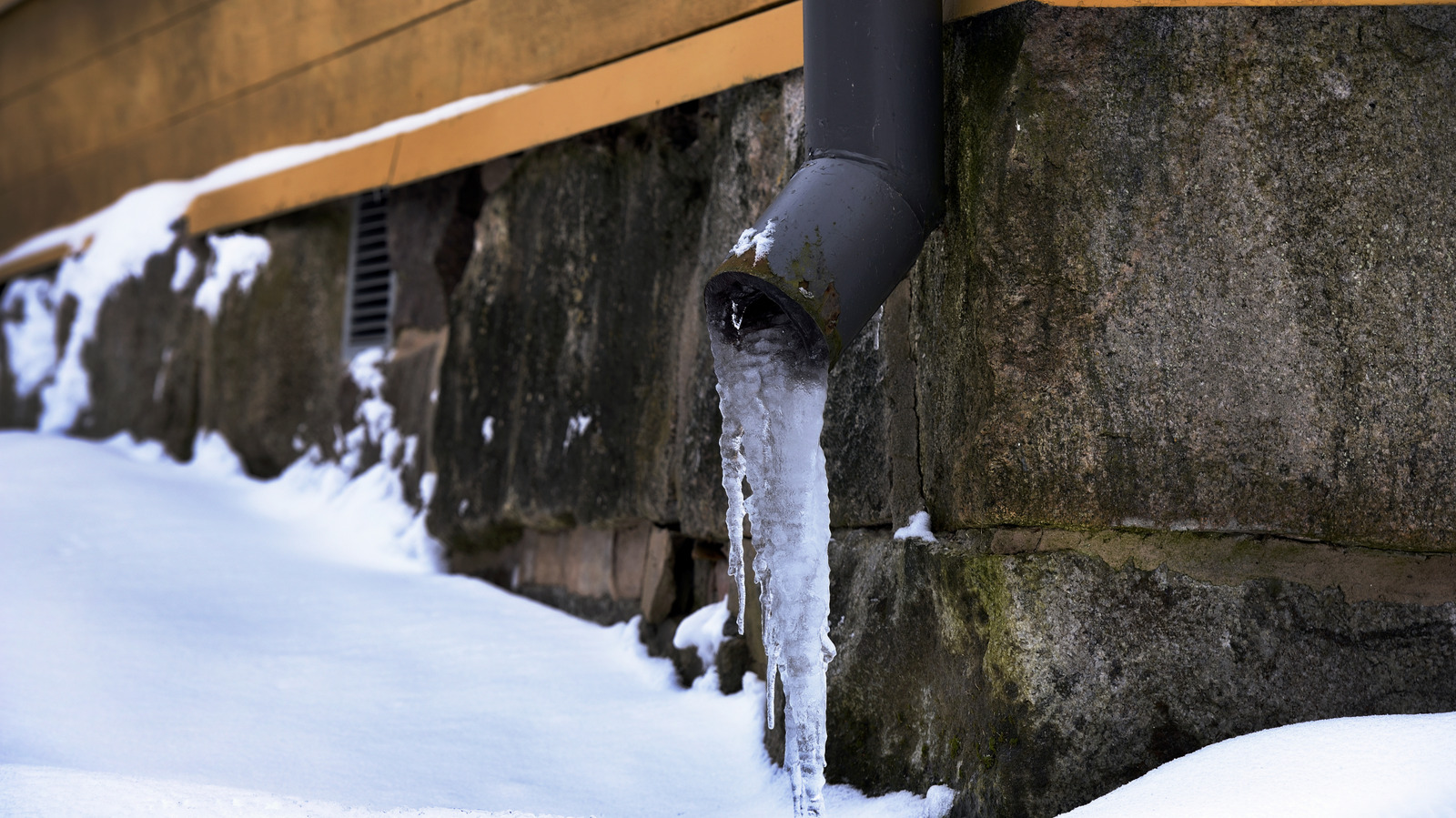
To prevent all this, make sure to keep snow cleared away from any drainage areas and around your home’s foundation, including gutters and downspouts. Test your system by pouring some water into the pit and checking that the pump activates and the water flows out smoothly. Feel the pipes for any frozen spots or buildup, and look for any cracks that need fixing. You can also extend those drainage spouts to lead the water at least 6 feet away from the house.
If your pump is older or you’re just not sure it’s running right, it’s a good idea to have a pro come take a look. They can spot any weak spots that need repair or replacement before the snowmelt causes problems. And having a battery backup system for your pump can be super helpful in case of power outages from flooding or storms, so it can keep running during an emergency.