Many homeowners looking to save on their energy bills might switch out light bulbs, unplug appliances, or close off unused rooms. But did you know that water heating is the second-biggest energy cost for homeowners, right after heating and cooling your home? Upgrading to an efficient heat pump water heater is one of the best ways to cut those costs and save big over time. Heat pump water heaters are about 5 times more efficient than standard electric, gas, or propane water heaters. That means you can save over $5,600 during the lifetime of your water heater – which is often the same as the upfront installation cost. And with various rebates and incentives from states, cities, and utilities, you can reduce that cost even further. Heat pump water heaters work by using electricity to pull heat from the surrounding air and transfer it to the water, kind of like how a refrigerator pulls heat from the inside and vents it outside. Understanding this basic process will help you get the most efficiency out of your new water heater.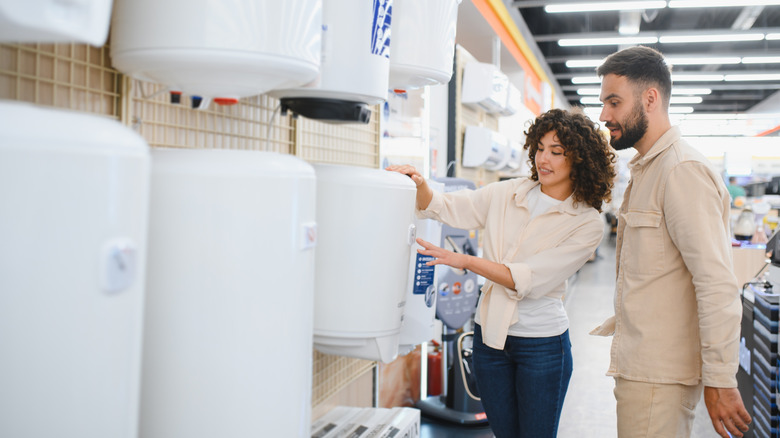 Hryshchyshen Serhii/Shutterstock
8 Easy Tricks To Boost Your Heat Pump Water Heater’s Efficiency
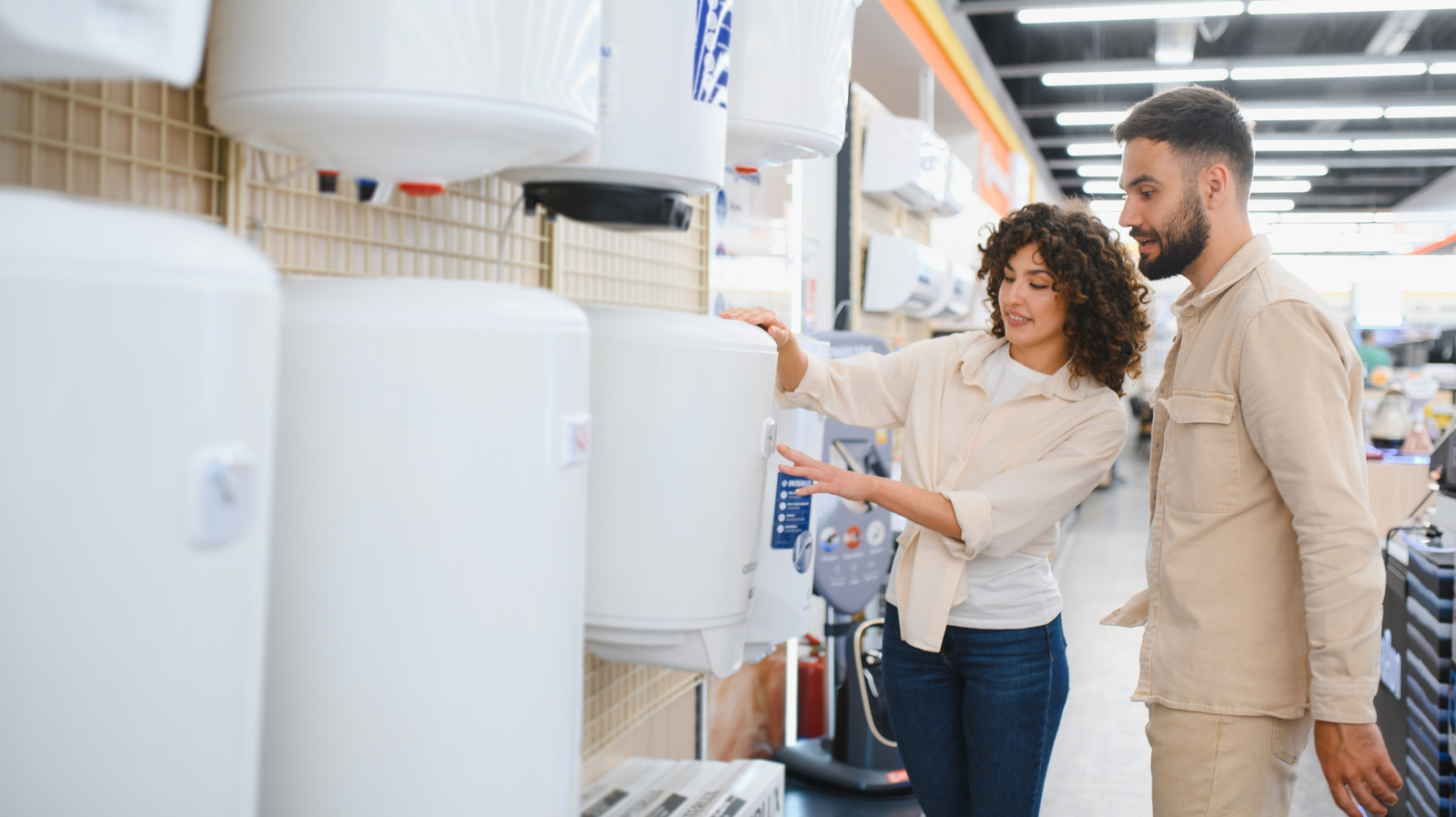
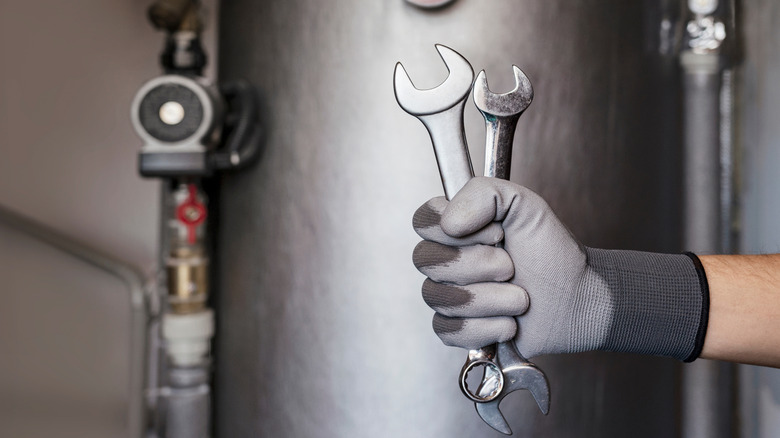
A larger tank is more efficient than a smaller one
 Mariana Serdynska/Shutterstock
 Heat pump water heaters have backup resistance heaters for times when demand is high. These resistance heaters aren’t as efficient, so you want to avoid them kicking on. A larger tank size means your appliance is less likely to need that backup heat, especially during peak usage periods.
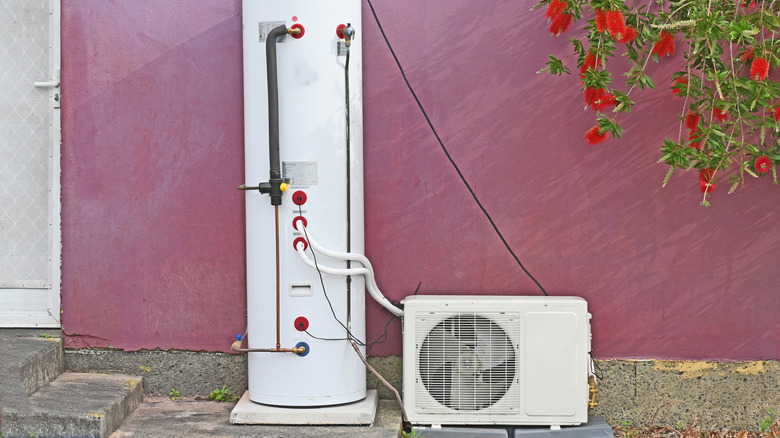
Install your heat pump water heater indoors
 Douglas Cliff/Shutterstock
 If you live in a warm climate where temps stay above 40 degrees, you can install your heat pump water heater outdoors. But in colder climates, you’ll want to put it inside. Outdoor units have to work much harder, and below 40 degrees they’ll switch to less-efficient resistance heating.
Maximize the airflow into the heat pump water heater
 Elena Ersova/Shutterstock
 Good airflow in and out of the unit is crucial for efficiency. Tuck your water heater in a closet or small space, and it’ll have to work hard to draw heat from the limited air supply. Manufacturers recommend at least 450-700 cubic feet of open space for the best performance.
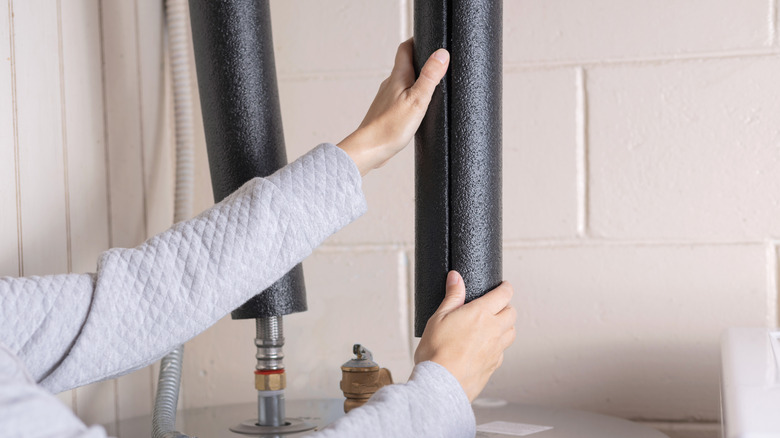
Insulate to keep in the heat
 Nc Photo/Getty Images
 Insulating your water heater’s parts, like the tank and pipes, helps prevent heat loss and reduces how often the unit has to run. If the tank feels warm to the touch, it’s leaking heat and wasting energy. Adding some extra insulation can save you up to 16% on your water heating costs.
Re-consider venting the cool air outdoors.
 HT-Pix/Shutterstock
 Heat pump water heaters blow out cool air as they operate. You might think venting that air outside would make the heater more efficient by giving it more warm air to draw from. But that can actually create an air pressure imbalance that makes your home’s heating and cooling work harder. Any efficiency gains from the water heater get cancelled out by HVAC losses.
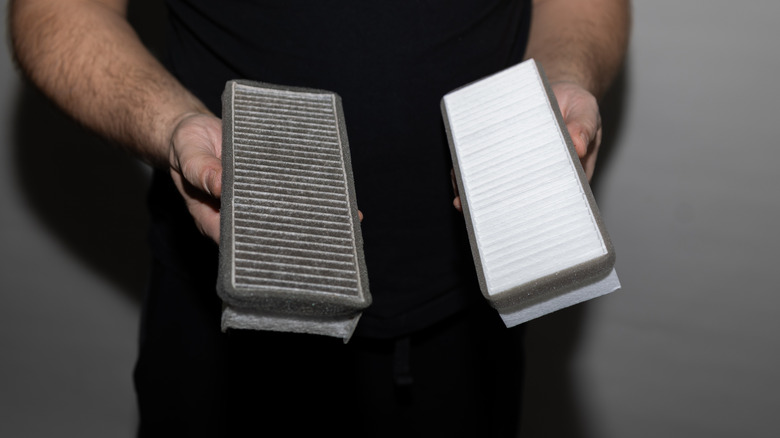
Keep your air filters clean.
 olga_sova/Shutterstock
 Dirty air filters force your heat pump to work harder, which reduces efficiency. Every few months, put the water heater in Standby Mode, turn off power, remove the filter, wash it with mild soap, and let it fully dry before putting it back.
Ventilate an enclosed space for your water heater.
 Aleksey Matrenin/Shutterstock
 If you tuck your water heater in a small space, make sure it has good ventilation. Use ducting or a louvered door to bring fresh air in and let the warm air out. The total area of the vents or grilles should be at least 240 square inches, with openings at the top and bottom.
Use the most efficient modes on your heat pump water heater.
 AleksNT/Shutterstock
 Heat pump water heaters usually have different operating modes. “Energy saver mode” is the default – it uses the heat pump but kicks on the less-efficient electric resistance heater when demand is high. “Heat pump mode” is the most efficient setting, as it keeps the resistance heater off. And when you’re away on vacation, use the “sleep mode” to save even more.