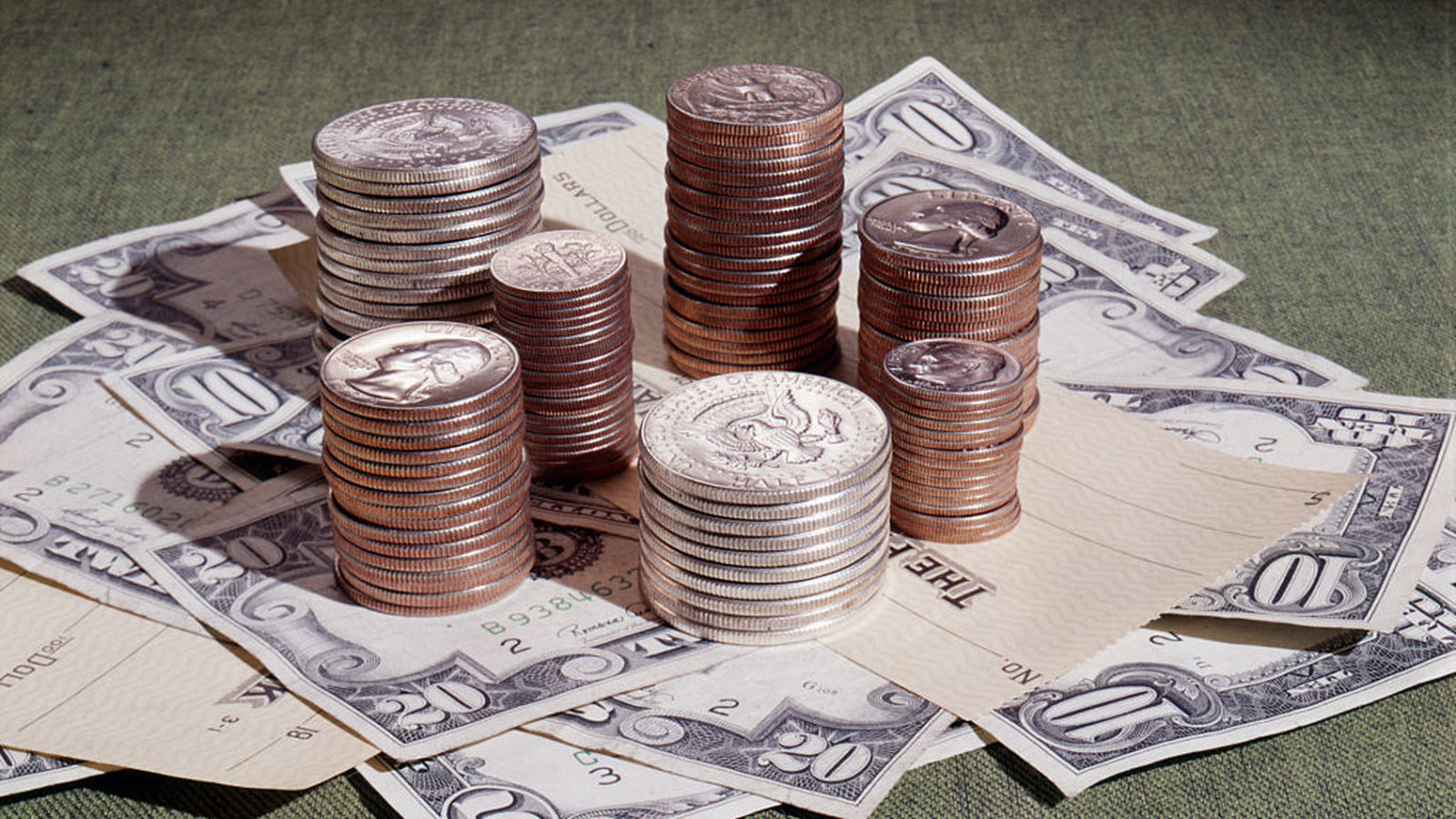
People who lived through the budgeting days of the 1980s are probably retired or thinking about it these days. Sure, some money stuff from back then still rings true today — like worrying about costs — but honestly, most of the strategies and money habits from that era? They’ve pretty much faded away. There’s one budgeting hack from the ’80s that was super popular back then: using actual cash for basically everything you bought.
Credit cards were starting to show up more, but lots of folks stuck with cash for everyday purchases. It helped them spend less and sidestep annoying credit card interest charges on stuff they didn’t really need. Even though people still say “cash is king,” the truth is that paying with physical money has some real problems in today’s world. Whether it’s the hassle of getting to an ATM, worrying about it getting stolen, or dealing with inflation eating away at its value, keeping a fat wallet full of cash might actually create more headaches than it solves.
Cash deals are straightforward, but lugging it around? Not so much
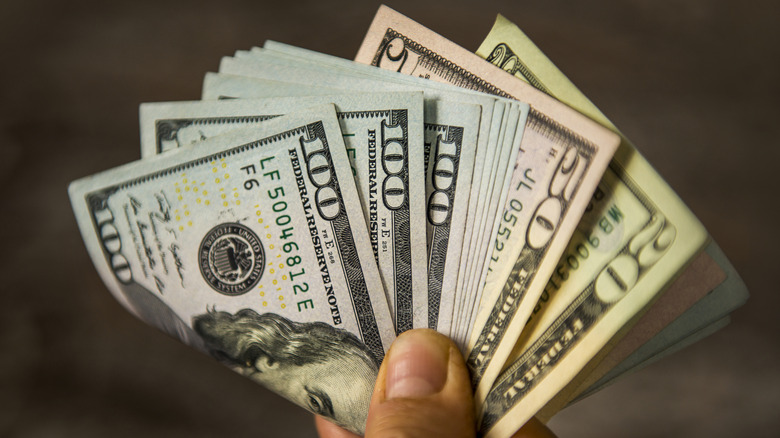
Beyond the obvious pain of hunting down an ATM whenever you need money, carrying cash around comes with security risks too. When your money sits in a checking account, it’s usually covered in case someone steals from you. That means you’re typically off the hook for any sketchy purchases a thief makes on your account. Plus, there’s a trail showing exactly what they did — something that doesn’t exist with cash. Lose a handful of bills on the street? Chances are, that money’s gone forever with zero way to get it back.
And let’s talk about inflation, because that’s another cash killer. Your money loses buying power over time. The data from May 2026 showed a consumer price index of 4.2% across the board, meaning stuff got about 4% pricier in the previous year. Hold onto that $100 bill in your wallet, and it’s basically worth $4.20 less when it comes to what you can actually buy in May 2026 compared to the year before. Prices went up, but your bill stayed the same. That’s why looking into other options — like stashing money in a high-yield savings account or buying a CD — can help make sure your cash doesn’t lose value and might even keep pace with inflation or beat it.