
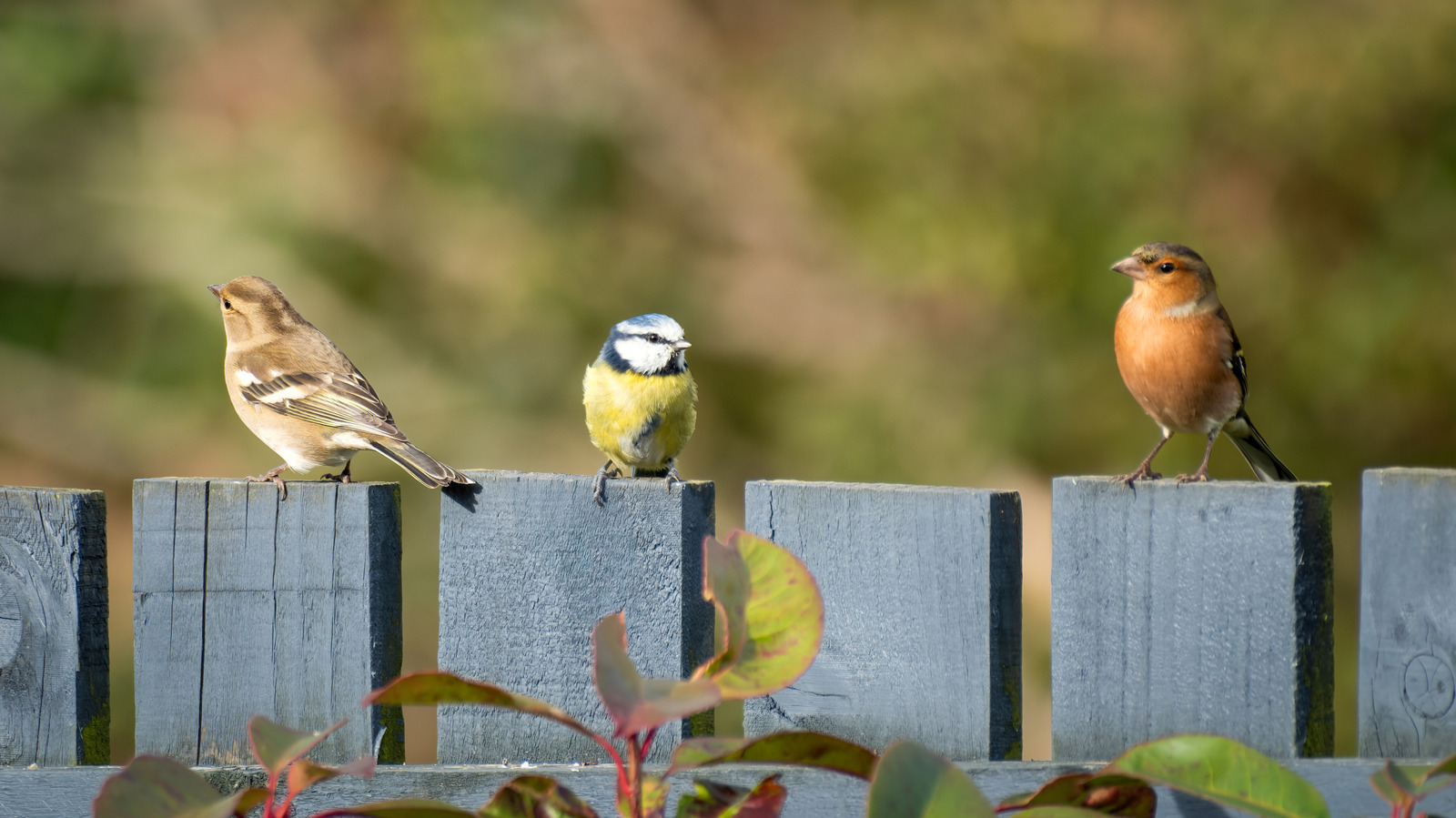
Yeah, we totally get it—most people want to yank out poison ivy (Toxicodendron radicans) the second it shows up around fences, tree trunks, or garden edges. Since so many folks are allergic to it, that’s actually a pretty smart move. The thing is, poison ivy’s got urushiol in it, which is what causes all those nasty allergic reactions. We’re talking anything from a few days of unbearable itching to really painful, blistered, and oozy skin. Sure, this plant is an aggressive weed that can cause serious pain to people, but here’s the thing—poison ivy is actually native to North America. Tons of creatures depend on it as a food source, and it’s super valuable for them. Birds especially rely on the berries to survive, particularly during tough times when other food options are hard to find, and the good news is urushiol doesn’t bother them at all. Plus, since these berries are packed with nutrition and stick around on the vine straight through winter when most other berry sources have been gobbled up, poison ivy is like an amazing gift to both local and migratory birds. If you want to create a bird-friendly yard and you’re already putting out feeders, consider letting your poison ivy grow in a controlled spot alongside other native berry-producing plants. You can support birds and wildlife without spending a dime. Just skip this idea if you’ve got little kids or curious dogs and cats who might be tempted to snack on those berries.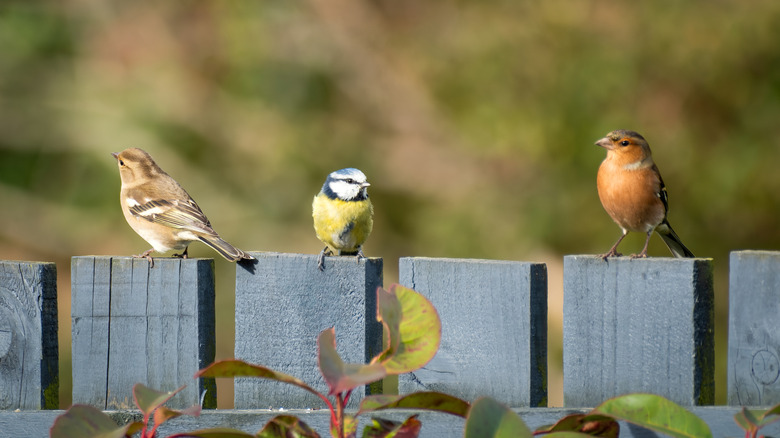 Jimmcdowall/Getty Images
Living peacefully with poison ivy without the drama
 Runis/Shutterstock
 Don’t let poison ivy take over your whole yard—that’s asking for trouble and someone’s bound to run into it and suffer for days afterward. It’s also not smart to let it grow all over the high-traffic zones in your garden. If it shows up in spots where people and pets are constantly moving around, pull it out aggressively to keep everyone safe. That said, if you’ve got a wild corner or a dedicated wildlife space, leaving it there makes sense since it’s genuinely helpful for wildlife. You can also fence it off to keep your pets away by putting up a small picket fence with a gate around your wildlife area. If poison ivy pops up along back fence lines or in hedgerow edges, especially in hard-to-reach spots like behind the shed, let it be—humans and pets probably won’t stumble on it there, but wildlife will definitely appreciate the food source.
Make sure everyone living in your home knows the poison ivy is there and can spot it. The whole “leaves of three, let it be” thing is handy, but it’s worth showing your family what to look for so they know not to touch it or mess with it. You’ll also want to familiarize yourself with what it looks like when the leaves drop off. The berries will hang tough on the vine through cold weather until the birds come and clean them off.
Managing poison ivy in your yard
 Sarah Macor/Shutterstock
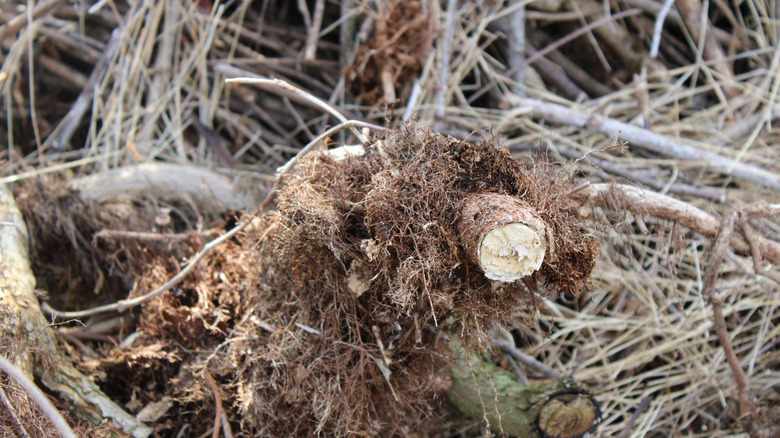
 Look, you don’t want your whole yard turning into a poison ivy jungle, so you’ll need to stay on top of it with some simple management techniques. This plant spreads through seeds and underground runners called rhizomes. Once you decide where you’ll tolerate it, get rid of any new shoots popping up outside that zone. Make sure you suit up properly—wear long sleeves and pants, closed-toe shoes, a hat, and thick gloves to protect yourself.
Dig down as deep as you can under those new plants to grab as much root as possible, so broken pieces don’t sprout back up. You might notice that fresh shoots keep coming back even after you cut them down to the ground. Here’s the good news: poison ivy hates being cut back repeatedly or tilled over, so if you keep at it, you’ll eventually wear the plant down and beat it for good. Don’t throw poison ivy in your compost pile, and whatever you do, don’t burn it. Burning is seriously risky. When you burn it, the urushiol gets into the smoke. If you breathe that in, you’re looking at serious lung and throat damage. Inhaled urushiol from burning poison ivy is way more dangerous than just touching the plant itself. Bag it up and leave it for the trash truck instead.