There’s a ton of reasons why strawberries (Fragaria) are such a beloved fruit. They taste amazing, they’re loaded with vitamin C, and they’re usually the first fruit ready to eat when spring rolls around. If you’re dying to grab the freshest berries straight from your own backyard, growing them yourself might be calling your name. But hold your horses if you’re thinking fresh strawberries will show up just a few weeks after planting seeds—it doesn’t work that way. Growing strawberries from seed to harvest takes patience, anywhere from four to six months, and sometimes even a year or more depending on what variety you pick. So what’s the point of dealing with seeds when you can just grab strawberry plants from your local garden center or pick them up at the farmers market? Here’s the deal: seeds give you access to varieties you’d never find at the grocery store, like beach strawberries (Fragaria chiloensis). With some smart planning, plenty of care, and a boatload of patience, you totally can grow these notoriously finicky seeds from the ground up. You’ve got three strawberry seed types to choose from: June-bearing, everbearing, and day-neutral. As you’d expect from the name, June-bearing strawberries crank out fruit over a few weeks, usually in June. Everbearing seeds give you two harvest windows—spring and late summer—while day-neutral strawberries just keep pumping out fruit all growing season long. No matter which type you go for, you’ve gotta stay on top of every part of the plant’s life and not skip any steps. Juta/Shutterstock
Your game plan for growing amazing strawberries from seeds
 Jen-Yu Guo/Shutterstock
 Even though strawberries are perennials, growing them isn’t exactly a walk in the park. They demand serious attention at the start to reach their full potential. Since timing matters big time, mapping out your strawberry growing schedule is key. Don’t start your seeds indoors until about 14 to 16 weeks before the final frost date. So back things up a month before that four-month window and stick your seeds in the fridge to fool them into thinking winter’s here. That trick is called stratification.
Once that month is up, scatter your seeds on top of damp soil in shallow indoor containers where they’ll get tons of light. Germination usually takes about six weeks to kick in. During this phase, you’ll spot tiny leafy sprouts and flowers popping up. The moment that happens, it’s time to graduate them to deeper containers. When the leafy parts get to about 2 to 3 inches, you can move them outside, just make sure there’s zero chance of frost. Obviously, you can always keep them going indoors if you’d rather.
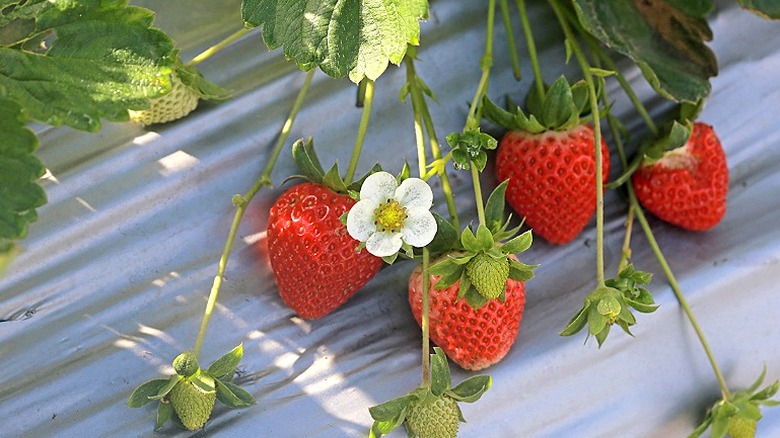
Depending on where you live, the leafy growth phase can stretch six months, and in warmer climates, hanging tight for a whole year happens all the time. When your strawberry plants start showing off those gorgeous white flowers, the fruit is coming soon. In about three to four weeks, tiny green berries show up and gradually turn red, but heads up: Those aren’t quite ready yet.
Fair warning—you might not get strawberries the first year. But stick with it, because year two is when you get to enjoy all that hard work paying off.