
We may get a commission if you buy something through our links. So you just finished mowing your lawn, but it still looks pretty rough. What’s going on? Your mower seems to be working fine, right? Then it hits you—the blades must be super dull. Time to sharpen them up! But here’s the thing: How sharp do they actually need to be? Well, here’s the deal: Your mower blades don’t need to be as sharp as a surgeon’s scalpel. They just need to be moderately sharp—think more like a butter knife. You should be able to touch the edge without drawing blood. Mower blades shouldn’t be razor-sharp for a good reason. They spin at crazy-high speeds, and since grass is pretty delicate and soft, you don’t need a ton of sharpness to cut it. If you go overboard trying to make your mower blades super sharp, things can go sideways fast. Little twigs, pebbles, thick weeds, and other stuff hanging around your lawn can dull a razor-sharp blade in a heartbeat, which means you’d be sharpening constantly. Plus, a blade that’s too sharp is way more likely to chip or crack. And once that happens, your grass won’t get cut right and repairs get pricey. A chipped or cracked blade sometimes ends up being a total loss. With that in mind, let’s go over the telltale signs it’s time to sharpen and walk you through how to do it properly.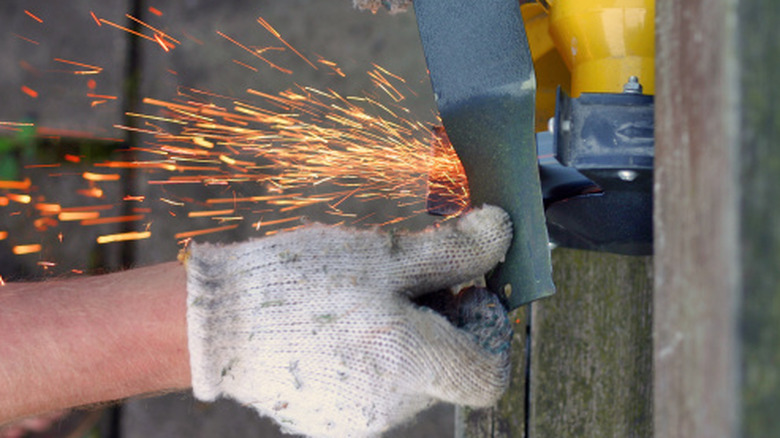 Craetive/Getty Images
The Right Sharpness Level for Your Lawn Mower Blades
Here’s what you should know before sharpening your lawn mower blades
 Benjamin Clapp/Shutterstock
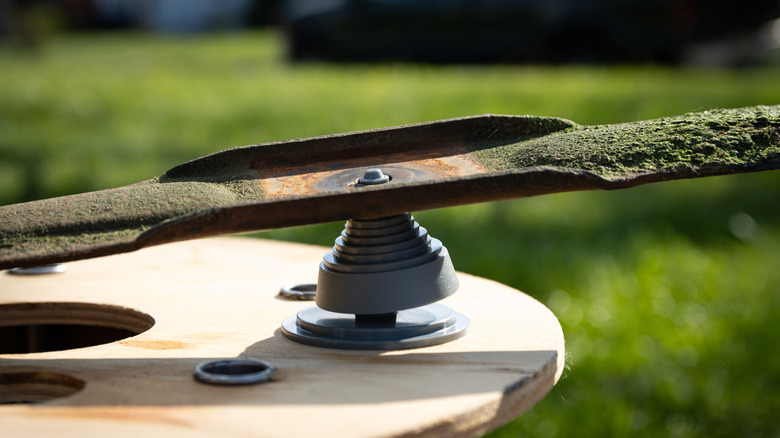
 Now that you know how sharp your mower blades should really be, let’s go through the right way to sharpen them. Start with the basics, okay? If your blades just need a quick touch-up after a few mowing sessions and there aren’t any serious nicks, a handheld sharpener is usually plenty. Grab a mill file, clamp your blade in a vise, and get to work. Just remember to sharpen at the correct angle—messing this up is one of those rookie mistakes you want to avoid.
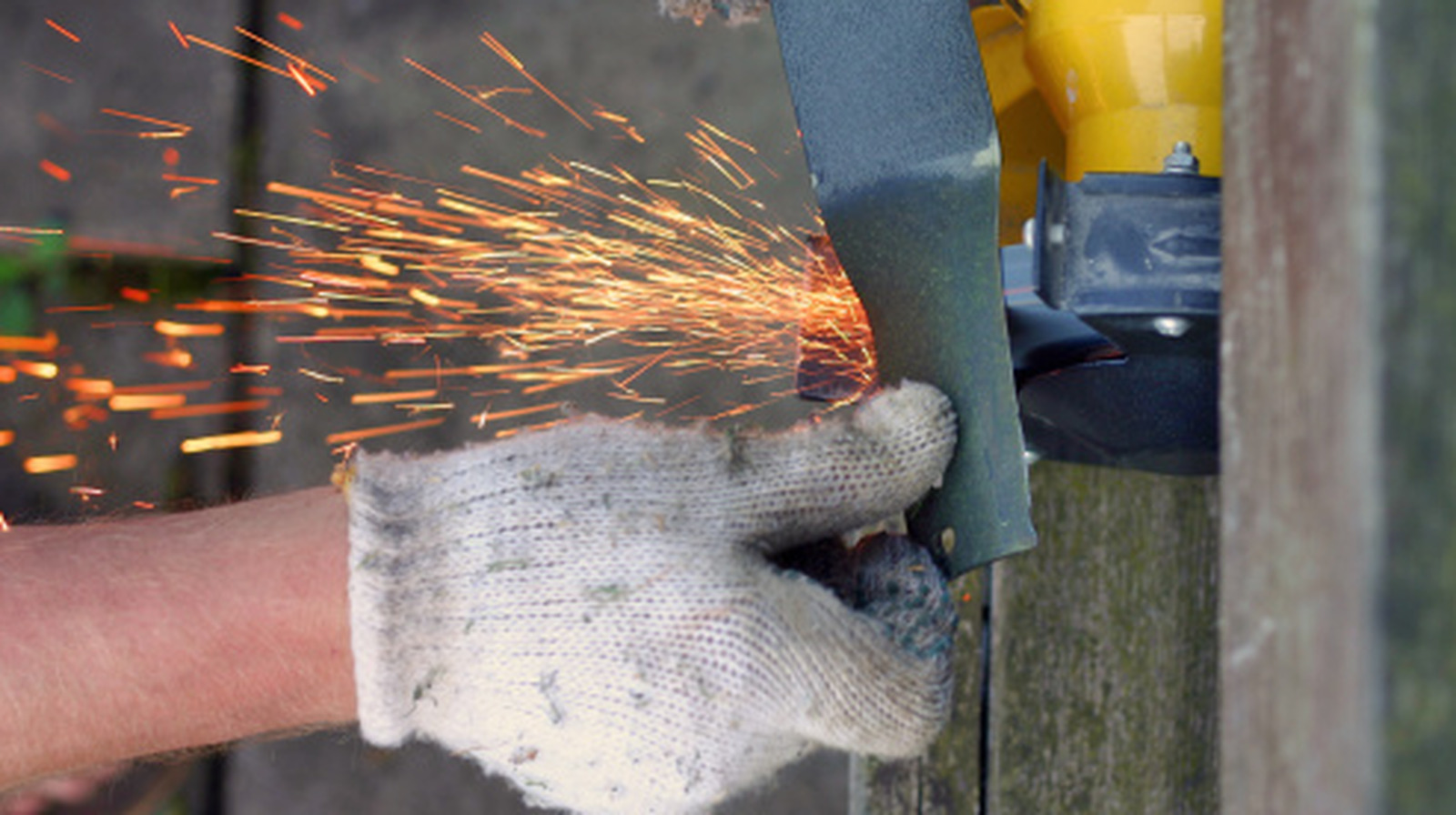
But if your mower blade has taken a real beating with visible chips and dents, a mill file won’t cut it. You’ll want something heavier-duty, like an angle grinder or bench grinder. Fair warning though—these tools take some practice, so unless you’re comfortable using them, it’s smarter to hand it off to a pro. That said, if you know your way around an angle or bench grinder, keep the blade balanced while you work. If one side ends up heavier than the other, your mower will vibrate like crazy. Not only is that annoying, but it’ll also strain your mower’s engine. Good news is that a blade balancer won’t break the bank. One last thing: know when it’s time to just replace the blade instead of fixing it. If it’s too damaged, sharpening is just throwing your time and energy away.