
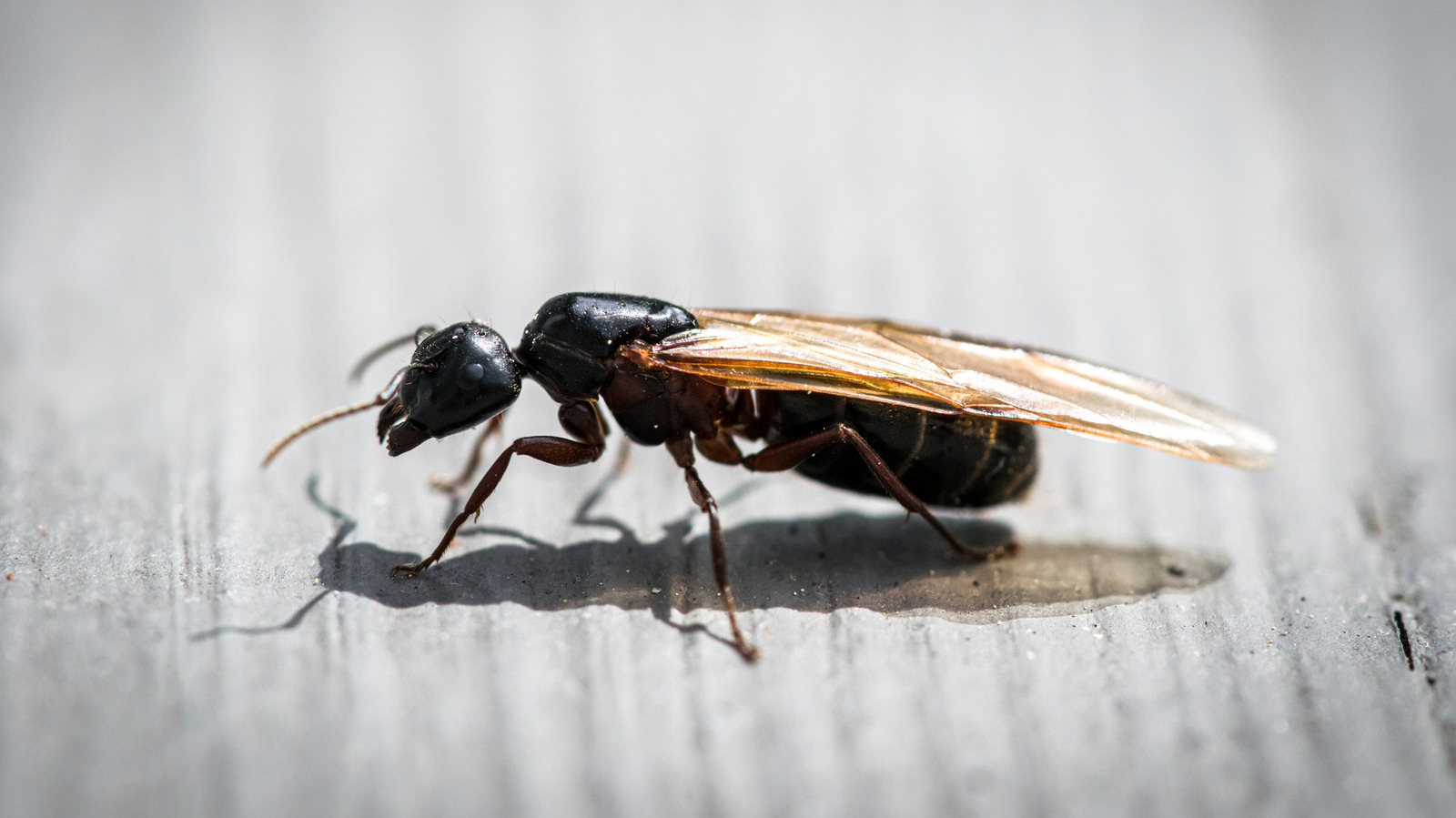
Seeing a sudden swarm of flying bugs around your place is definitely scary stuff. Whether they’re doing loops over your lawn or hanging out above your kitchen floor, it’s easy to panic. But here’s the thing — spotting flying carpenter ants isn’t just a quick “spray and done” situation. It’s actually a serious warning sign that an active, breeding colony is already set up nearby. To keep your home’s structure safe, you need to look beyond the individual bugs and tackle the colony where it lives. Before you jump into action, make sure you’re actually dealing with carpenter ants and not termites. They can look pretty similar at first glance, but treating them requires totally different approaches. Since the solutions are so different, knowing about one won’t help if you’re actually facing the other. Start by checking the waist — carpenter ants have a pinched, narrow waist, while termites have a straight, thick body with no real waistline. Next, look at the wings. Ants have wings that are different lengths, with the front pair being longer, and termite wings are all identical. Finally, check out the antennae. Termites have straight ones, but ants have bent antennae. Once you’ve confirmed it’s flying carpenter ants and not termites, you can tackle getting rid of them. Successfully wiping out the problem takes a smart strategy rather than just grabbing a can of bug spray. Your next moves should be figuring out if the swarm came from inside or outside, tracking worker ants back to the main nest, eliminating any moisture sources nearby, and using targeted treatments like specialized baits or insecticidal dust.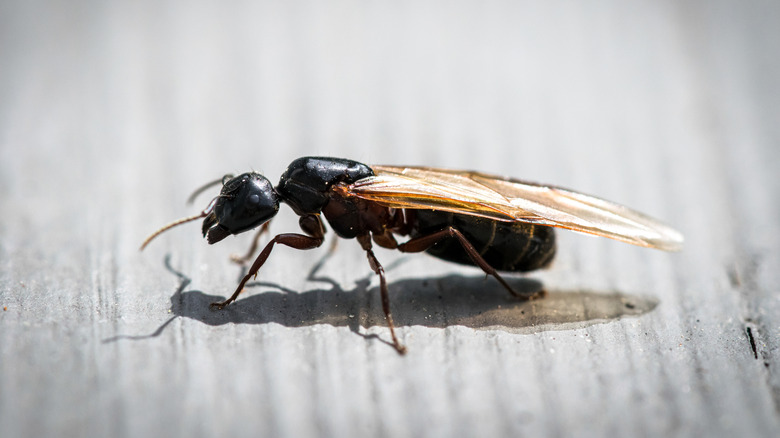 MainelyPhotos/Shutterstock
How to Handle a Carpenter Ant Swarm in Your House or Yard
How to treat a swarm of carpenter ants
 Andrey_Popov/Shutterstock
 When it comes to treating a carpenter ant swarm, you’ve got to see past the flying insects themselves. Winged swarmers don’t actually do damage to wood — their whole purpose is just to reproduce. Spraying them down with contact spray isn’t going to cut it, since the main colony that lays eggs will still be hiding safely somewhere nearby.
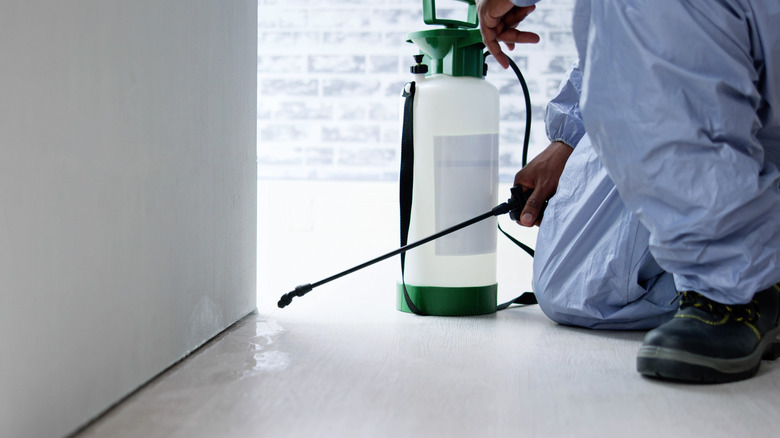
Before you start using chemicals, figure out where the nest actually is. If the indoor swarm is coming out from baseboards or window frames, that means the colony has already moved into your walls. When outdoor swarms show up around woodpiles or your porch steps, it’s a sign there’s a nearby colony thinking about expanding inside. To pinpoint the exact nest, track the wingless worker ants when it’s getting dark or look for frass — basically the sawdust-like stuff these bugs leave behind. Once you’ve got a general idea of where it is, skip the typical bug bombs or repellent sprays. Those can actually make things worse by splitting up the colony. Instead, use non-repellent liquid sprays to build a protective barrier outdoors. Other options like insecticidal dust and specialized gel baits work great for indoor wall spaces and active ant trails, letting the ants carry the poison back to the hidden queen.
If you’re struggling to find the main nest or if dealing with these flying pests is just stressing you out, no shame in calling a pest control pro. They can track down and eliminate the colony for you, taking all the hassle out of it. Getting familiar with how these ants work can also help you plan your defense strategy.
How to help prevent carpenter ant swarms
 Yauheni Kazlou/Shutterstock
 Keeping carpenter ant swarms away basically comes down to one thing: changing their habitat. Since it takes a colony three to five years to mature before they can produce flying swarmers, staying on top of preventative upkeep is your best bet. To defend your property, zero in on three key areas — getting rid of moisture, cutting off their entry routes, and cleaning up outdoor spaces.
Here’s a quick heads up — carpenter ants don’t actually eat the wood. They hollow it out to make their nests. Since they have a hard time chewing through dry, solid wood, they go after wood that’s been damaged by water. To keep moisture from building up, regularly check your roof valleys, flashing, window frames, and pipes. Even a tiny, slow leak hidden away can create the perfect damp spot for a secret colony to set up shop.
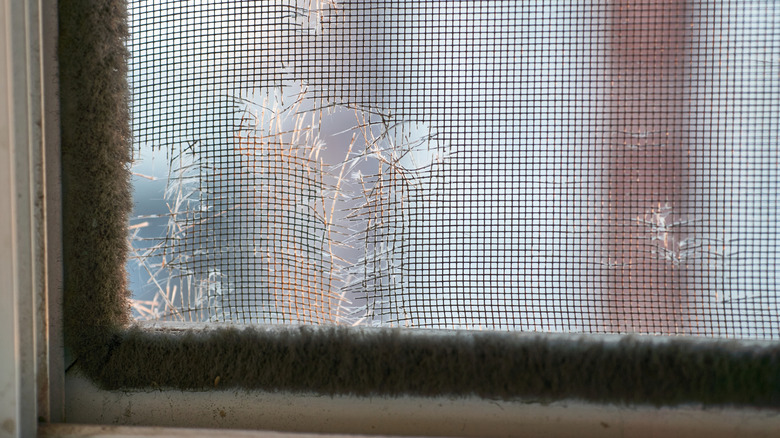
Next, shut down their easy access routes. Worker ants are constantly looking for fresh nesting spots, and removing their pathways keeps them from establishing side colonies inside your home. Trim back bushes and trees so branches are at least two feet away from your siding and gutters. Make sure your crawlspace and attic vents have fine-mesh screens to keep bugs out. Fix any tears in your window or door screens right away, since swarmers can sneak through tiny gaps when they’re mating. Last but not least, clean up outdoor spaces to keep parent colonies away. When it comes to firewood and other outdoor wood, try to minimize contact with your house’s exterior. Keep it at least 20 feet away, and place it on a raised rack so it doesn’t soak up moisture.