
When temps start climbing, suddenly painting the house doesn’t sound quite as important anymore, right? As folks search for ways to beat the heat during yet another summer of record-breaking temperatures, having access to cool air and water is becoming more appealing than ever to those without AC. Believe it or not, even after 159 people lost their lives in Washington during the brutal 2021 heat dome—when temps soared nearly 30 degrees above normal for days straight—over a third of homes in the state (34.2%, to be exact) still don’t have air conditioning. Why? Well, it’s pretty simple: air conditioning just wasn’t considered essential back in the day, especially out west. Washington state basically splits into two different climate zones. Seattle sits in the wet, moderate coastal region, while Spokane represents the drier inland side. For years, Seattle’s weather stayed so mild that AC wasn’t really needed, but times are changing. As the number of scorching 90-degree-plus days keeps ticking up over the decades, fewer and fewer homes are going without AC. The state’s building codes are adapting to match, and new rules are giving renters better protection when things get sweltering. Whether you’re buying or renting in Washington, if you’re currently without air conditioning, you might want to check out , a solution that’s catching on fast in the region. It’s a pretty straightforward installation that could seriously improve your summer comfort. DimaBerlin/Shutterstock
More Than A Third Of Washington Homes Have No Air Conditioning

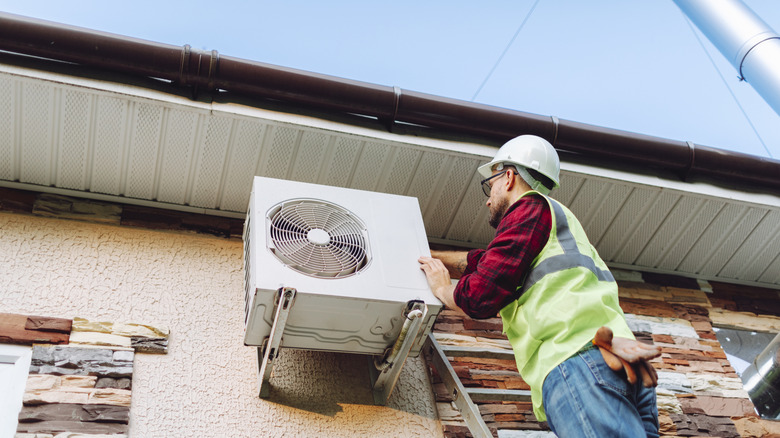
How building codes are pushing heat pumps into Washington homes
 Julpo/Getty Images
 Washington state’s building code, which was written back in 2021 and kicked in during 2024, sets the rules for how homes get built based on climate zones and an energy efficiency credit system. The credit system actually favors heat pumps over natural gas, which means more heat pumps are showing up in newly constructed homes throughout the state. The cool part? They handle both heating and cooling. Even though Spokane and Seattle have totally different weather patterns, both regions fall into zones that demand at least R-60 insulation in the attic and R-20 in the walls. On top of that, you need another R-5 layer of continuous insulation—usually foam or wool.
If you already own a home, there’s also a state rebate program that can slash heat pump costs right at checkout for households that qualify based on income. Renters can get in on this too, though if you’re worried about taking your unit with you down the road, a window unit or portable AC might appeal to you more. That said, window units don’t fit every home setup, and since there are other downsides that get even worse when temperatures spike, that’s really just a band-aid solution.
Some folks might be frustrated with the new building code (there’s even been a lawsuit over it), but the reality of our changing climate is hard to ignore. Washington’s going to keep heating up as the century goes on, so building homes with solid insulation and heat pumps that are ready for tomorrow’s weather just makes way more sense than building for yesterday’s.