You might’ve come across the 80/20 rule before, but have you run into the 70% rule for flipping homes? The 80/20 rule helps homeowners figure out if a property is right for them based on what’s good and what’s not so great. The 70% rule works differently—it’s designed to help house flippers figure out whether investing in a property makes sense. Think of it as a handy formula to figure out the most you should safely spend. The 70% rule is a real estate strategy that helps you figure out if flipping a home will actually make you money. Using this rule, the most you should pay for a house should be 70% of its after-repair value (that’s the ARV) minus whatever repairs will cost you. Here’s the math: ARV x 0.70 – estimated repair costs. The after-repair value is basically what you think you can sell the home for once all your renovations are done. The estimated repair cost is your best guess at the total budget needed to fix up and renovate the property. Let’s say you think you can sell a home for $500,000 and repairs will run you $50,000—that means the max you should pay is $300,000 (500,000 x 0.70 – 50,000 = 300,000).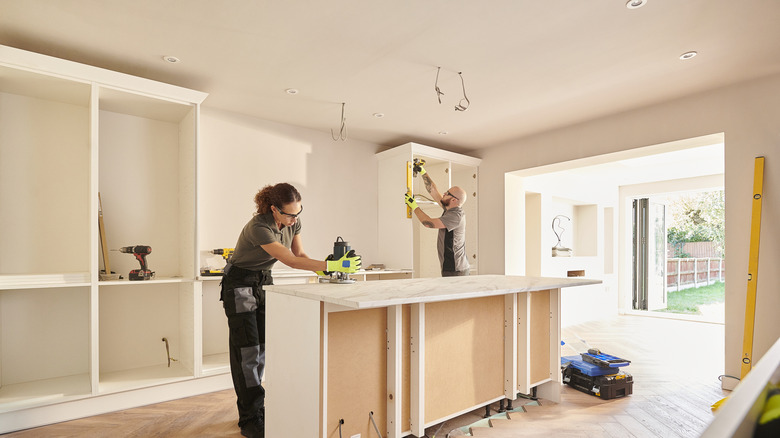 Sturti/Getty Images
Understanding the 70% Rule When Flipping Houses
Figuring out what a home will be worth after repairs
 Julpo/Getty Images
 You’ll need to do your homework to nail down the real ARV, which is super important for getting the 70% rule right. Guessing too low means you might pass up great deals, while guessing too high could seriously hurt your wallet. At the end of the day, flipping homes isn’t just a side gig or a shot in the dark—it’s a real business move. That means there’s a proven path to success with just a little wiggle room to protect what you’ve invested and boost your earnings. For the ARV, smart research is where it all starts.
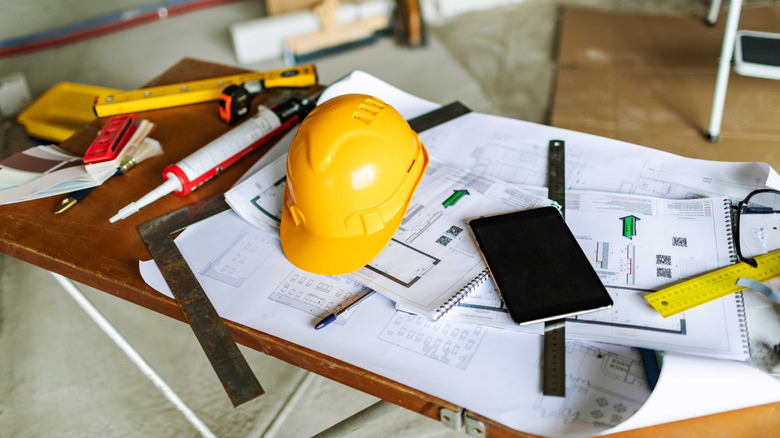
The easiest way to figure out the ARV is to think about what homes sell for in the area after renovations like yours. Just looking at repair costs won’t cut it—you’ve got to think about what those fixes are actually worth in your local market. Compare your project plan against similar properties in the area. Things like the neighborhood vibe, renovation trends, what upgrades buyers want, the square footage after remodeling, and more all play a role in determining how much your work is worth. The experts suggest checking out three to five similar homes to get the best estimate for your ARV. Find homes nearby that check at least three of your main boxes, then look at their selling prices to get a good average for what yours should be worth.
Getting renovation costs right when you’re buying a fixer-upper
 Drazen Zigic/Shutterstock
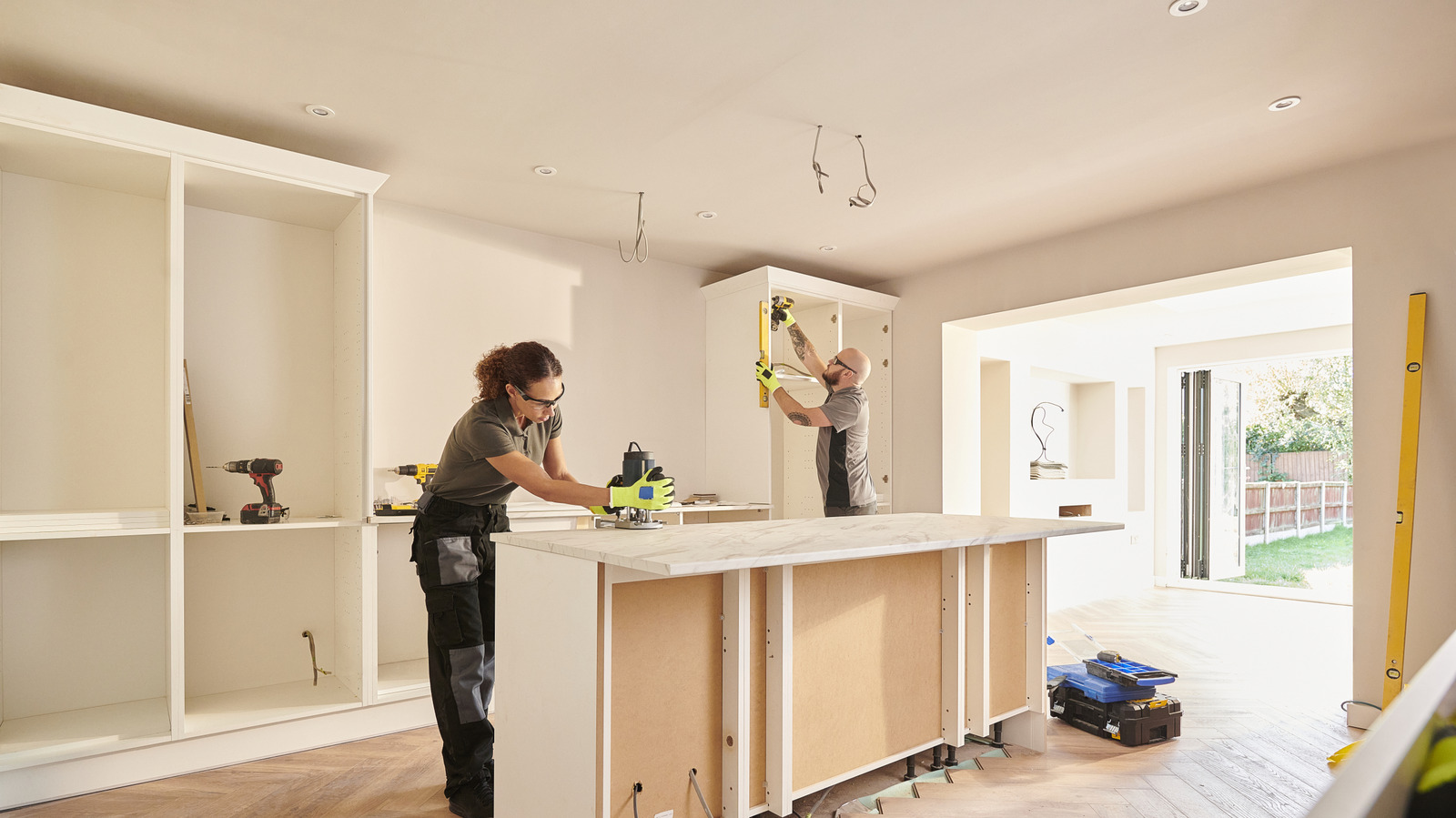
 When you’re putting together your renovation budget, think about everything you might want to fix or upgrade. You don’t want to skimp on planning, but you also don’t need to bring in pros for every single thing. Actually, that’s one of the smartest moves. Hang onto whatever materials you can salvage from the original home—it’s a great way to cut material costs. You can also save money on labor if you tackle anything yourself that you’re comfortable handling. Just weigh whether saving money on professional installation is worth it compared to the quality you’ll get, especially when it comes to repairs that affect the home inspection, building codes and safety, or your insurance.
To nail your renovation budget, start by listing everything you want to renovate. Don’t forget things that need replacing due to age or because the home inspection flagged them—think water heaters, gutters and roofs, pipes, or electrical systems. Usually the home inspection happens after you make an offer but before you close on the property. You can add a home inspection contingency to your offer, which gives you some protection if surprise repairs pop up and start pushing costs beyond that 70% limit.
After you’ve thought through all your renovations, materials, labor, and what you can DIY, throw some extra padding into your budget. Skipping this step and not padding your flipping budget is actually a pretty common mistake. She recommends tacking on an extra 10% to your final number just to be safe.