Look, when you’re thinking about upgrades to your home, you probably care about how they’ll affect your property’s value down the road. And honestly, that’s smart thinking, especially if you’re considering selling soon. But here’s the thing: not every upgrade is a clear win or loss for your home’s market value. Pool additions? They’re kind of in that murky middle ground, and which way they swing depends on things like where you live, how big the pool is, your local market, and how well you keep it up. So here’s what’s interesting: based on 2026 data from recent home sales, saltwater pools could potentially bump up your home’s sale price by around 2%. That’s compared to chlorine pools, though the verdict is still pretty clear that traditional in-ground pools are risky business financially. Fast forward from 2025 — when saltwater pools added about 1.5% to a home’s value, got buyers more interested, and helped homes sell faster — and we’re seeing a small but steady increase. Homeowners might be pretty pumped about having that beachy saltwater vibe in their backyard, but there are definitely some important things to know before you assume it’ll boost your home’s value. PintoArt/Shutterstock
The One Pool Type That Could Raise Your Home’s Value (Without Being Built-In or Heated)

Want a pool? Go with saltwater, no question
 Doctorj_CM/Shutterstock
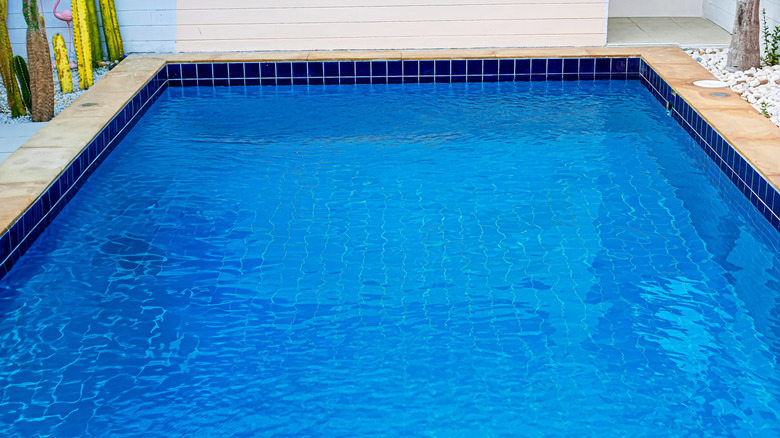
 If you’ve ever been in a chlorine pool, you know the drill — that weird smell, your eyes getting all red and itchy, your skin feeling dry, and your favorite swimsuit fading. Saltwater pools pretty much solve all of that, which is probably why buyers are getting more and more interested in them.
Here’s how saltwater pools work: they’ve got a salt cell that transforms salt into chlorine. Yeah, there’s still chlorine in there because you need it to fight off algae and gross microbes, but it’s way less concentrated. That means you get fewer chloramines — the bad guys making your eyes red and itchy — so swimming actually feels nice. Plus, homeowners are digging saltwater pools because they’re honestly easier to maintain. You can track salt levels right from an app instead of constantly testing the water with kits, which is basically never-ending torture with regular chlorine pools. And let’s be real, salt costs way less than chlorine tablets.
That said, there are definitely some downsides. The biggest one? That initial cost can be pretty brutal. It depends on the size, materials, and labor, but you’re looking at somewhere between $12,000 and $38,500 to install one (though if you’re just converting an existing chlorine pool, you might get away with just $500). And that price tag doesn’t even include other stuff like landscaping or a deck — extras you might never get your money back on. Oh, and salt can eat away at nearby materials or damage plants that aren’t salt-tolerant.
So what’s the catch with saltwater pools and home value?
While saltwater pools definitely have their perks over regular pools, there’s a bunch of other stuff that affects whether they’ll actually add value. Interestingly, homes with pools that sold for higher prices were mostly found in the South, Midwest, and West. Why? Because people there can use their pools year-round, unlike folks up north where you might get maybe two months of pool weather unless it’s heated or indoors. So if your area isn’t warm enough to enjoy a pool most of the year, it’s probably not going to help your home’s value much — which means you’d just be throwing money at an expensive feature.
And here’s something weird: you’d think having a pool in a fancy neighborhood would automatically boost your home’s value because of all that prestige and entertainment potential. But it doesn’t always work that way. Sometimes buyers start looking at pools as a basic feature instead of a luxury perk. As the President and CEO of Miller Samuel, Jonathan Miller, put it: if basically every house on the block has a pool, then having one isn’t special anymore — it’s just expected. But if you’re the only one without one? That actually hurts your value.
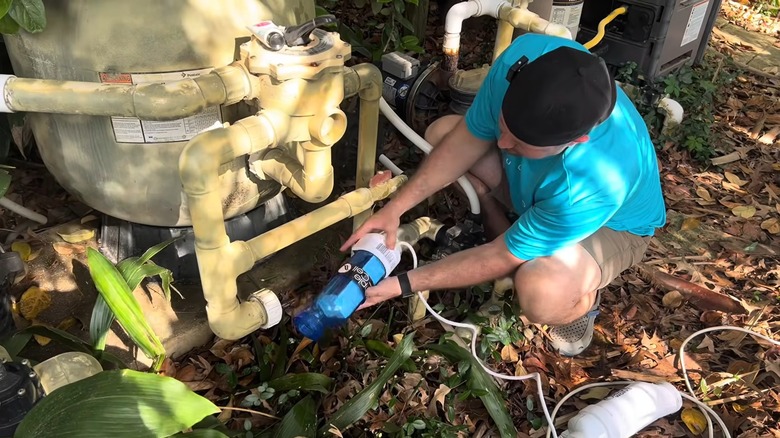
And don’t forget about maintenance. Yeah, saltwater pools are easier to care for than chlorine ones, but they’re not completely maintenance-free. You’ve gotta keep an eye on the walls so they don’t get damaged, rust, or fall apart. Plus, those salt cells that generate the chlorine need to work properly and eventually get swapped out every few years. Bottom line: if your pool is old or needs serious cleaning and repairs, all that value it’s supposed to add basically disappears.