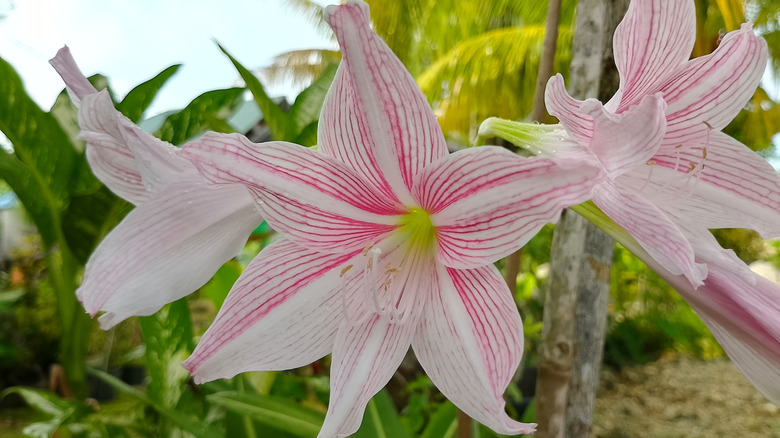
Sure, roses are stunning and bring real beauty and romance to gothic, cottage-style, traditional, and even modern outdoor spaces. But here’s the thing—they’re a lot of work! As a master gardener with over twenty years under my belt, I genuinely love how roses look, smell, and showcase their history. That said, I’m also a permaculture enthusiast who’s passionate about low-maintenance, self-sufficient plants and gardens. Roses? They demand constant attention. Aphids love munching on their fresh growth, and black spot thrives in humid weather. Plus, they’re nutrient hogs. Mess up your pruning schedule or timing, and you’ll end up with an overgrown tangle of bare, woody canes and skimpy leaves. One of my go-to alternatives is the naked lady or belladonna lily (Amaryllis belladonna). These bulbous perennials earned their fun name from their quirky growing pattern. Come spring, the bulbs push out strap-like leaves that completely fade away by early summer. Then, a few weeks later, bare flower stalks pop up from seemingly empty ground—no leaves in sight—and burst into clusters of blooms. The trumpet-shaped flowers show up in late summer. Each bare stalk displays a bunch of up to twelve soft pink flowers with an absolutely amazing fragrance. They’re nothing like roses visually, but they’re seriously low-maintenance and still pack that romantic punch. And the fragrance? You’ll definitely get your rose-scent fix with these beauties.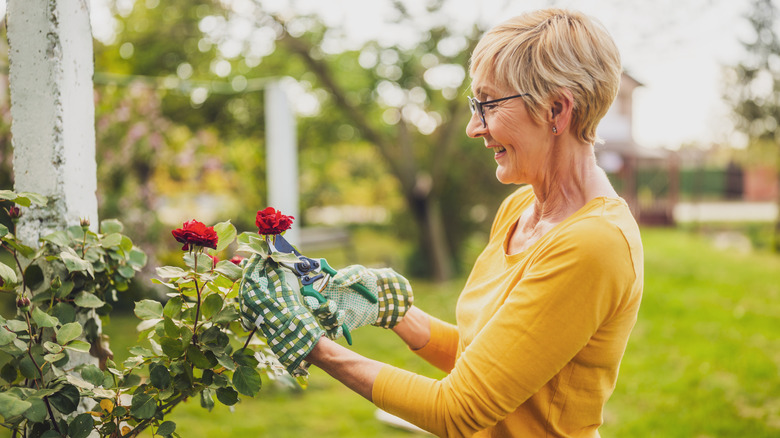 Littlebee80/Getty Images
Skip the Roses: Pretty Pink Blooms That Smell Amazing for Your Yard
How to grow naked lady in your garden
 HUNKNOW/Shutterstock
 These plants are refreshingly easygoing, which is exactly why they beat roses hands down. Naked lady thrives in USDA Hardiness Zones 7 and up, and all they really ask for is full sun and soil that drains quickly. They absolutely hate sitting in water and need plenty of sunshine to flourish. Beyond that, they’re super adaptable and handle drought, poor soil, and sandy or loamy terrain like champs. Just skip planting them where water collects or in heavy clay that stays soggy. Instead, find a sunny, dry spot—think the edge of a border or even a rocky area with thin soil. The bulbs will happily multiply all on their own year after year.
If you’re in Zone 6 or colder, treat these as annuals—otherwise, they’ll likely rot in the ground. They’re also perfect for growing in well-draining pots so you can bring them inside when winter hits. Once those summer flowers open up, they make gorgeous cut flowers for your vase and stay fresh and fragrant for roughly a week. Here’s an important heads-up though: naked ladies are poisonous to cats, dogs, and people. So if you’ve got curious kids or pets who like to nibble, this might not be the right plant for your space unless you can keep it somewhere safe and out of reach. And if you’re using them as cut flowers, that vase water is dangerous too. The whole plant contains alkaloids that can cause vomiting, drooling, and stomach problems if someone eats it.
Troubleshooting common problems with naked lady
 Pawich Sattalerd/Getty Images
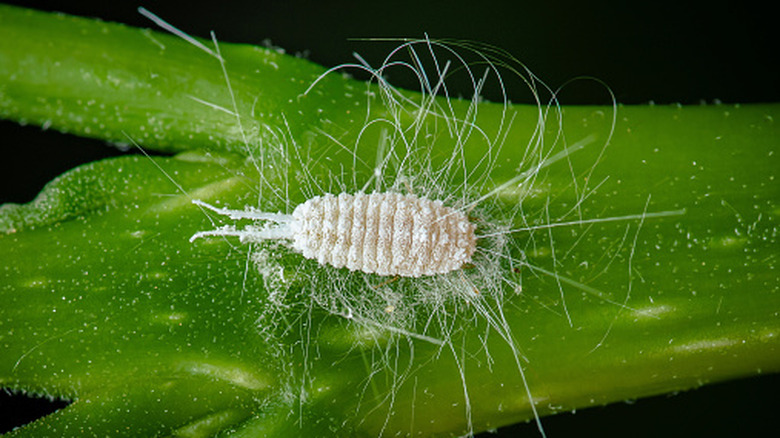
 While naked lady isn’t as fussy about pests and diseases as roses, they’re still not completely immune. Root nematodes are a particular concern—these tiny, worm-like pests attack the bulb’s roots and basal plates and do real harm to belladonna lilies, even though you can’t see them with your eyes. You might occasionally spot aphids, mealy bugs, or red spider mites hanging around, but typically they don’t cause serious damage. A good spray from the garden hose, some neem oil, or insecticidal soap will usually take care of them.
Belladonna lilies aren’t super prone to fungal infections, though you might see red leaf spot pop up during cool, wet spells. The biggest enemy for naked lady? Soggy soil that stays wet too long. When the soil’s constantly damp, the bulbs will rot—and once that happens, there’s really no saving them. Pick a spot with fast-draining soil, and regularly add organic matter like fibrous mulch, which breaks down and boosts your soil structure over time. You might also want to mix in some grit to really speed up drainage.