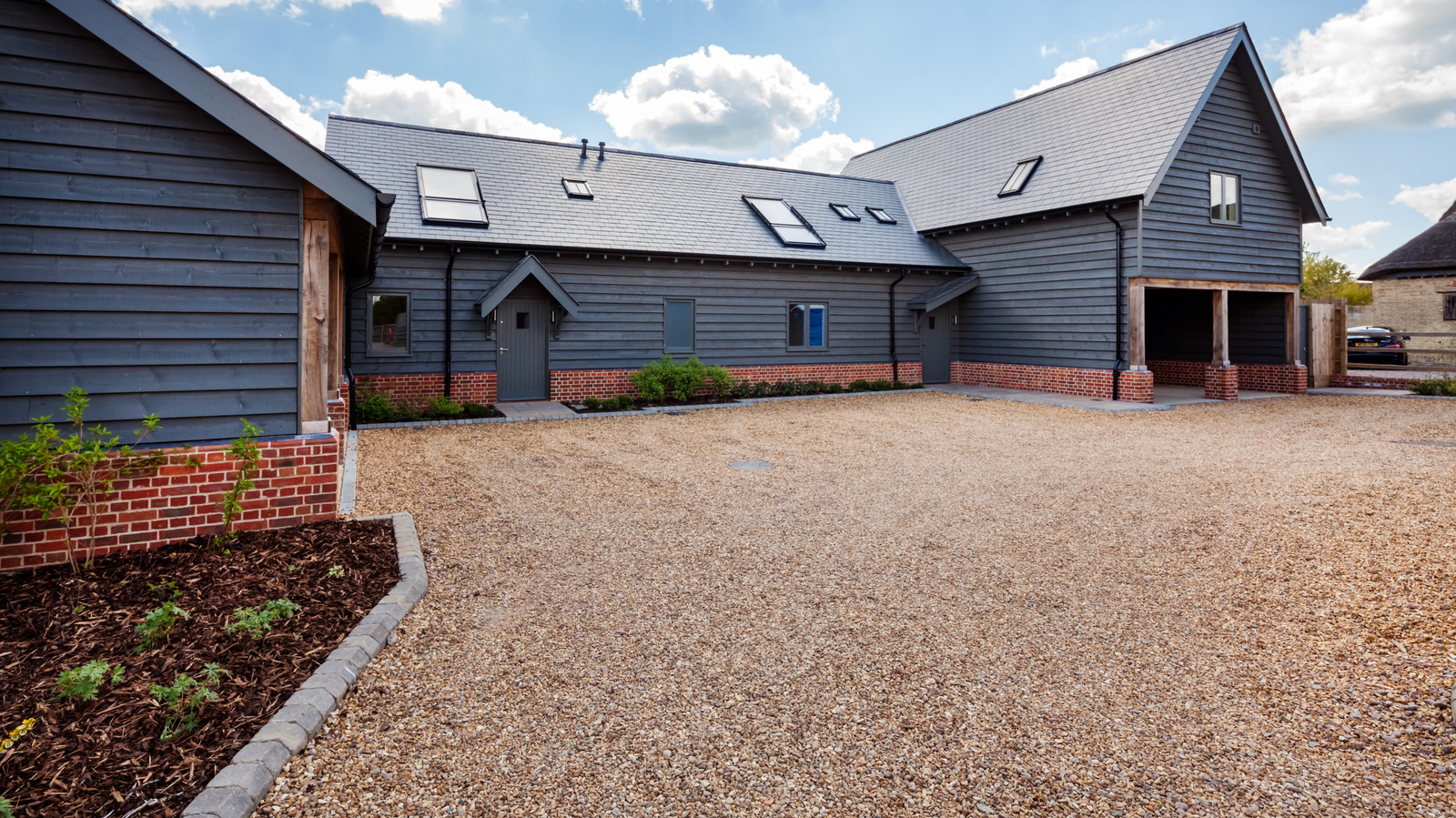
Gravel used to be the go-to choice for fancy driveways back before cars came along, and plenty of people still dig that satisfying sound of tires crunching over crushed stone. But there are other solid options out there too—like concrete, which happens to be the most commonly used building material globally. If you want concrete’s strength but worry about the environment, geopolymer concrete (or greencrete as folks call it) might be worth checking out. Geopolymer concrete, sometimes called greencrete or Geo-Green Crete, gets made from aluminosilicate materials that mix with an alkaline solution and harden into a binder that’s friendlier to the planet than regular cement. It’s already being used as a concrete substitute in homes and businesses alike. Here’s the cool part: it uses the same stuff like crushed stone and gravel, but swaps out the cement for waste by-products like fly ash and slag as the binder. Just mix it up and pour it down like regular concrete, and you’re good to go. The catch? Even though geopolymer concrete comes from recycled materials and can use recycled concrete as filler, it’ll still cost more than standard concrete to put in. Regular concrete driveways typically run between $8 to $20 per square foot, so plan on spending at least that much. Plus, since it’s not being mass-produced yet, finding someone to install it might be tough depending on where you live.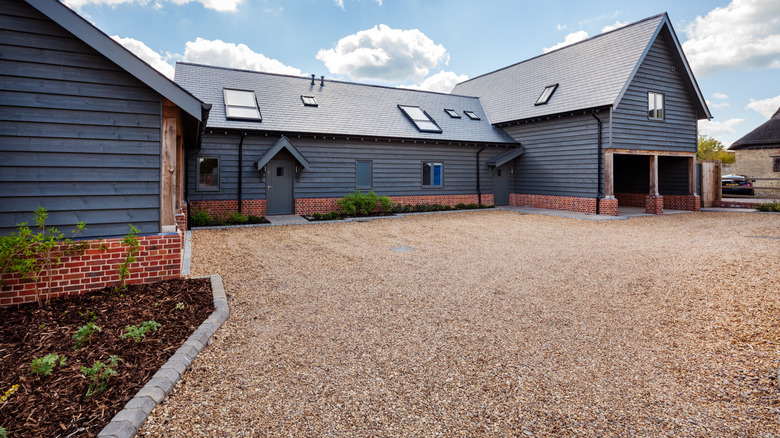 Frazaz/Getty Images
Skip Stone Paths: The New Material That’s Simple To Reuse
How to use geopolymer concrete
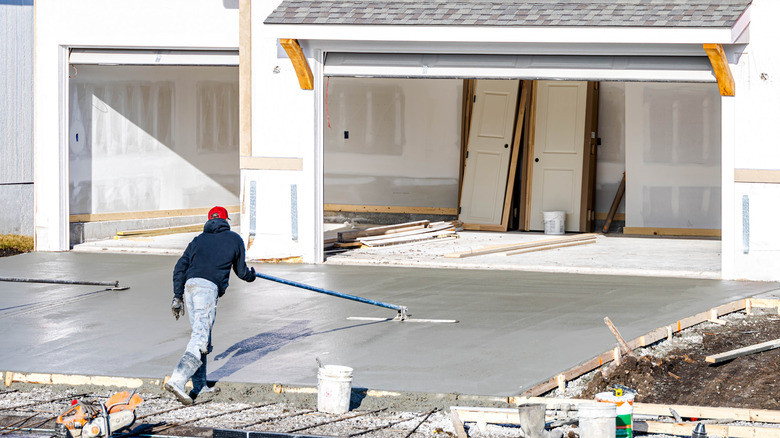
Here’s something wild: Portland cement is responsible for about 8% of the world’s carbon emissions, which is why scientists and companies are racing to find better alternatives. Geopolymer concrete has actually been around for a while now, and the more people test it out in real-world situations, the better the results look. Australia’s Victoria road authority even tested it out and now lists it as an option that works just as well as regular Portland cement concrete for simpler projects like driveways and sidewalks.
That said, since geopolymer concrete is still being perfected and isn’t widely available yet, you can’t really DIY this one on your own—you’ll need to hire a professional installer who specializes in greencrete. When you’re looking for the right contractor, knowing what to ask for makes a difference. Mixes based on fly ash don’t handle freezing temperatures well, so if you live somewhere cold, ask for a slag-based version with high calcium content. Freeze-thaw cycles can wreck a driveway if it isn’t installed correctly, but these calcium-heavy versions actually did better than regular concrete in freeze-thaw tests. Just double-check with your greencrete installer about exactly what they’re proposing when they give you their price quote. And since you might only find one or two installers in your area, grab a couple quotes for traditional concrete too so you can see how the prices stack up.