
We may receive a commission on purchases made from links. As a homeowner, you’ve probably found yourself staring at your electrical panel box or the guts of a light fixture at some point, surrounded by colored wires and wondering what the heck they all do. (Hint: calling a pro is usually the smart move.) But it never hurts to know at least the basics about what you’re looking at. And one thing that tends to grab your attention? That pesky red wire. Here’s the thing: red usually means “stop” or “watch out” in our world, right? Well, electrical work kind of plays by the same rules. A red wire is basically a secondary “hot” or “live” wire, meaning it’s got actual electrical current flowing through it. So whether you’re tinkering with a small appliance or doing bigger stuff, this is a wire you’ll want to treat with some serious respect.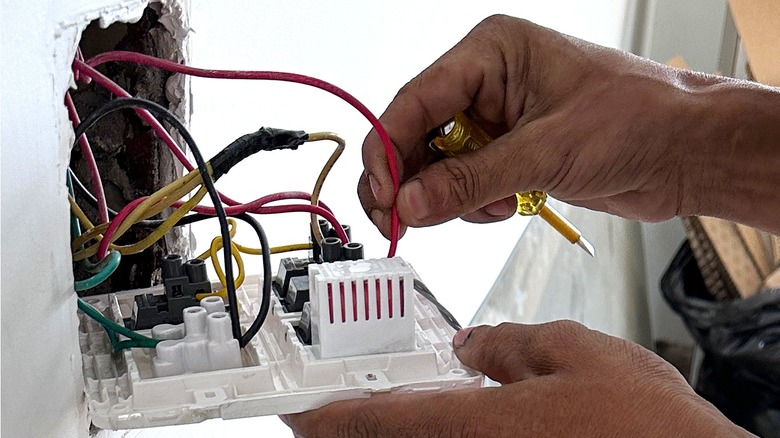 Mtreasure/Getty
What That Red Wire Actually Does In Your Home’s Electrical System
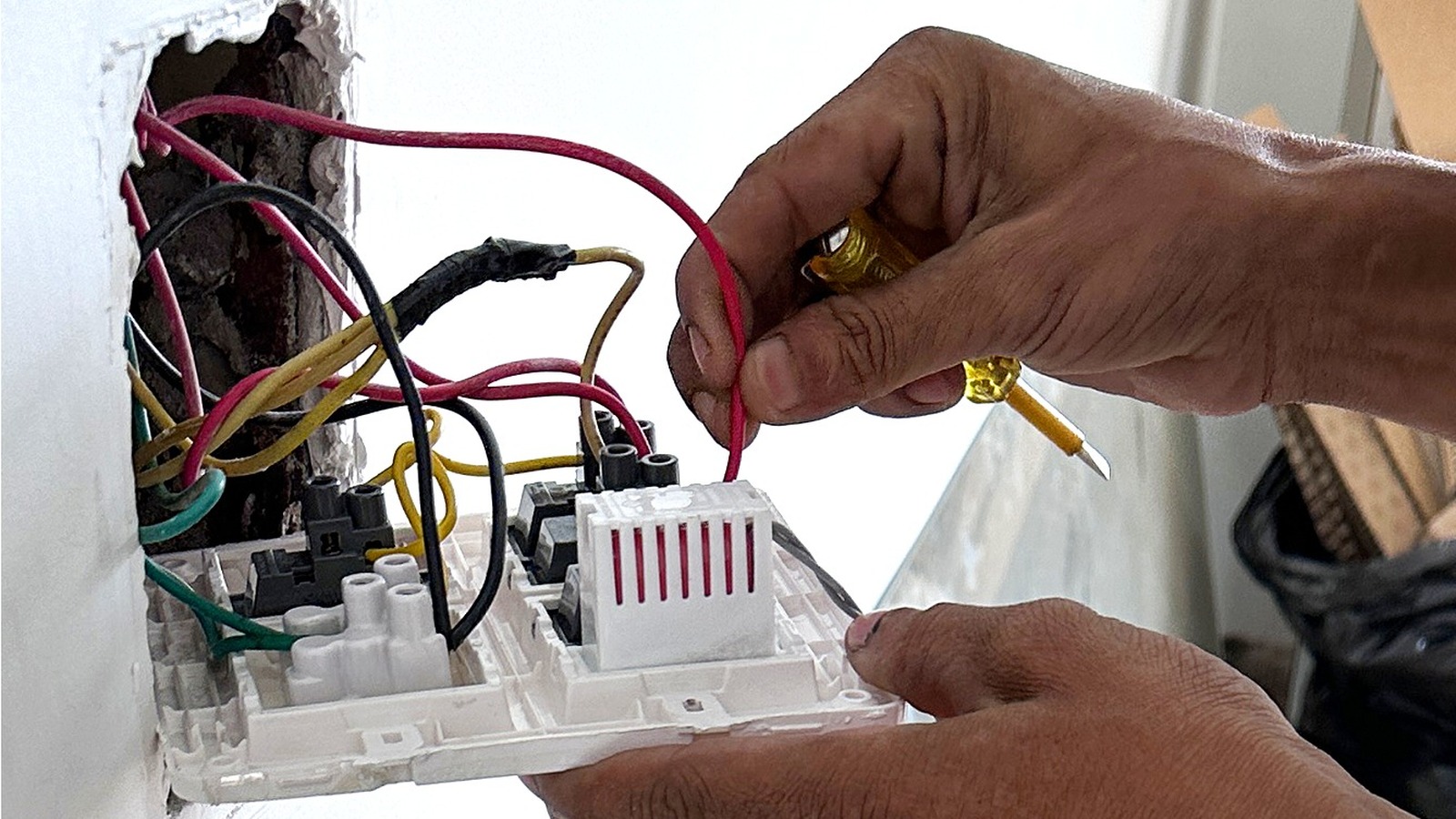
What’s the red wire doing behind your switch plate? Let’s break it down
 grandbrothers/Shutterstock
 Here’s a real-world example of where red wires are probably already working in your place, even if you didn’t know it. Ever have a light that you can flip on from two different switches? Like one at the bottom of your stairs and another at the top? That’s a three-way switch setup, and the red wire is the star of the show. It’s the one making that magic happen, which is why it’s sometimes called the “traveler” wire—because it’s essentially ferrying the signal back and forth between your two switches.
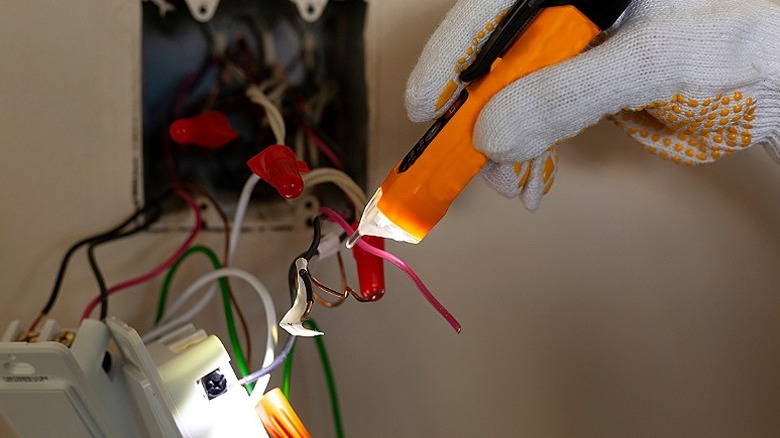
Say you’re swapping out an old switch plate because it’s yellowed and cracked up. When you pop off the cover, spot a red wire? That’s your culprit—it’s telling the light which switch you used. And since it’s still packing live current, you definitely don’t want to mess with it carelessly. Your first move? Flip off the breaker on your electrical panel. Then, just to be extra safe, grab a voltage tester and make sure there’s actually no juice running through that wire before you touch anything.
Try something simple like an easy-to-use voltage tester (you can grab one for around $17 on Amazon). Keeping one of these handy means you’ll never have to guess whether a wire is live before you go poking at it. The bottom line? You don’t need an electrician’s license to handle small updates around your house. But knowing your stuff—like what that red wire’s really doing—will definitely keep you safer when you do.