
Picture a postwar California dream come to life, and you’ve got mid-century modern neighborhoods with their distinctive charm. These places feature sleek flat rooflines, huge windows from floor to ceiling, and outdoor garden spaces that soak up the afternoon sun. Welcome to the world of Eichler homes. Joseph Eichler had a pretty cool mission back in the late 1940s—he wanted to prove that modernist design wasn’t just for the super wealthy. Between roughly 1949 and 1974, he built thousands of homes that put his vision to work. Fast forward to today, and here’s the twist: these renovated beauties now often fetch $3 million or more. If you’re dreaming about an Eichler or just curious about what makes them special, you’ll dig the way they blur the lines between inside and outside living. Plus, there’s radiant heating built right into the floors and those clean, no-fuss lines that feel timeless. Your typical Eichler comes with a carport, post-and-beam construction, and small front windows. The real magic happens in back, where massive windows frame the yard. Bedrooms and bathrooms hang out toward the rear, making room for that seamless indoor-outdoor vibe. Here’s something to know if an Eichler is calling your name—it’s almost certainly going to be in California. Out of the 11,000 homes Eichler built, only three landed outside the Golden State (those few made it to New York). You’ll find these homes clustered in Southern California, around the San Francisco Bay area, and near Sacramento.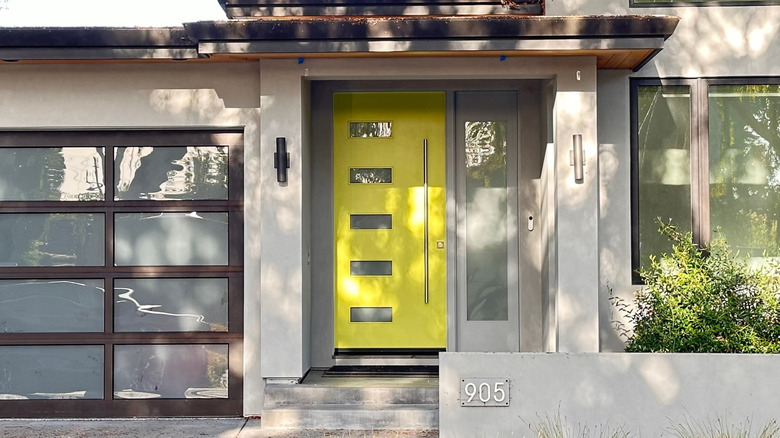
This ’60s Mid-Century Home Is Worth a Lot of Money
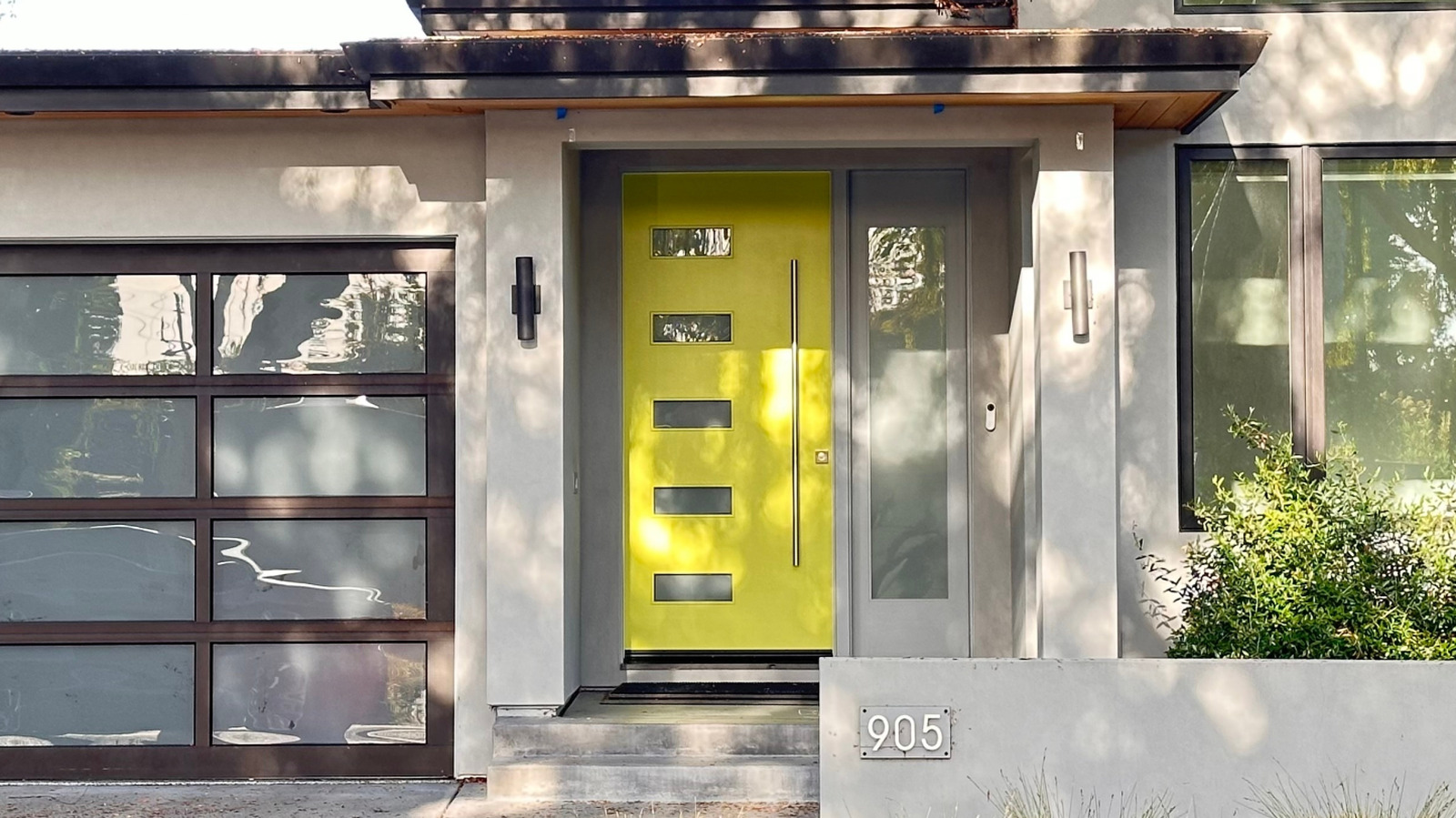
Mid-century modern Eichler homes were built to blend the indoors with nature
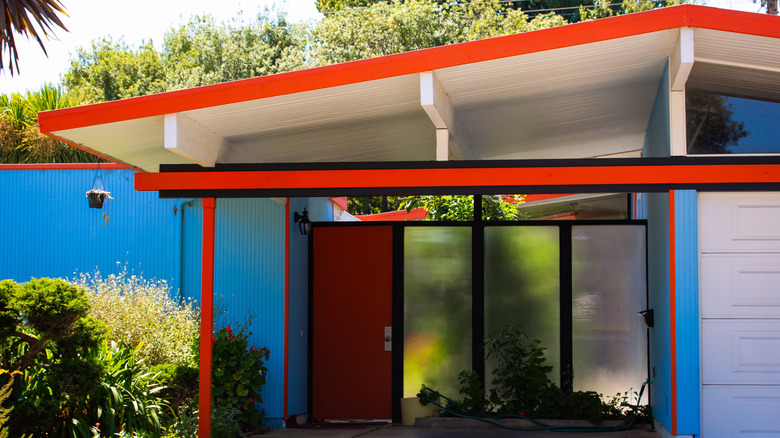 bluestork/Shutterstock
 Eichler was a San Francisco Bay area grocer who made a big career switch at 45. The trigger? He bought a Frank Lloyd Wright home and fell in love with it. But unlike some fancy architects, Eichler stayed committed to keeping these homes affordable for everyday people. He also made it a point that his homes weren’t sold with discrimination—everyone got a fair shot at owning one. Wright definitely rubbed off on Eichler’s style, and together with Wright and other architects like Henry Hobson Richardson, Eichler helped make the open-concept floor plan a thing.
Even though Eichler homes were game-changers, they didn’t really get the spotlight until 2006 when CA-Modern magazine launched. That publication really kicked things into gear, getting more people excited about these homes and helping current owners figure out their renovation plans. Over time, Eichler homes have climbed in value faster than your typical house, and folks who own them—or want to—really appreciate the craftsmanship. Eichler neighborhoods tend to be pretty cool communities where people genuinely love this architectural style.
Eichler homes might need some TLC and updates
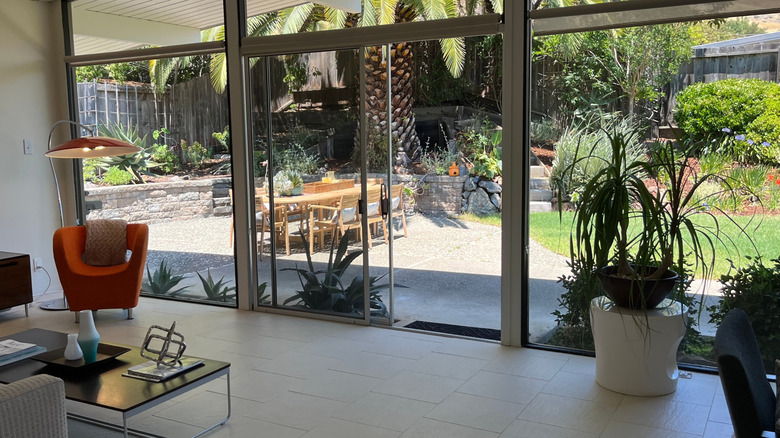 JudeAnd/Shutterstock
 If buying or fixing up an Eichler is on your radar, good news—there’s tons of support out there. You can find real estate agents who specialize in these homes, plus tons of online communities and YouTube channels loaded with tips and guidance for both buying and renovating. Having that backup matters, because as gorgeous as they are, Eichlers weren’t exactly built with today’s lifestyle in mind.
According to architecture experts, these homes lack basements, attics, and proper insulation. The kitchens and bathrooms are tight by modern standards, and all those stunning windows? They’re single-pane glass. The flat (or barely sloped) roofs are thin and can have drainage problems, which sometimes means replacement is in the cards. When you’re dealing with a home that’s pushing 80 years old, a full renovation isn’t going to be a quick or budget-friendly project. You’re looking at investing serious time and hundreds of thousands of dollars for a complete overhaul. Real estate pros say about half of Eichler owners have tackled a renovation. The good news is that these homes have solid bones, lasting quality, and that timeless nature-loving design philosophy that architects like Eichler brought to the table.