
Raul Rodriguez/Getty Images
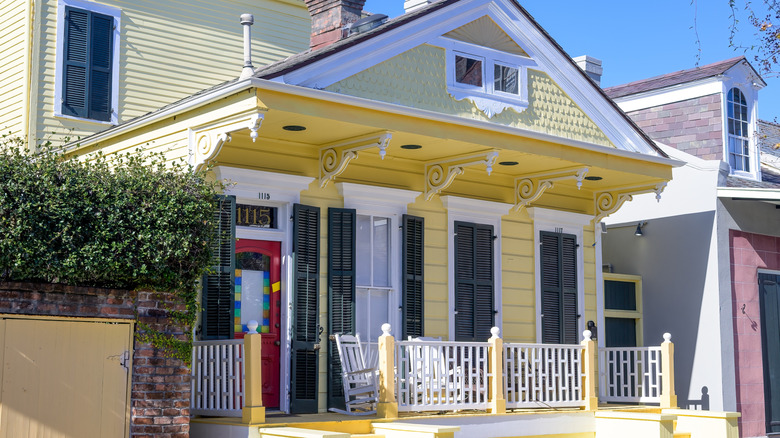
Ever noticed those long, narrow houses packed together on city blocks when you visit New Orleans or Louisville? Those are shotgun houses! They were a super affordable, no-fuss housing style that let builders squeeze multiple homes onto small urban lots. The shotgun house story typically starts with freed slaves heading to the southern U.S. in the early 1800s, particularly to New Orleans. Building them slowed down in the 1910s and ’20s because they got labeled as poor people’s homes. The Great Depression basically froze all home construction, and when things picked back up, shotgun houses had already been replaced by shiny new suburban mid-century modern homes. Like most shifts in housing trends, it really came down to changing tastes, new technology, and how society was evolving. So what exactly were they? Picture single-story, skinny homes where rooms lined up one after another from the front door to the back, usually built on supports. You’d walk through the living room first, then the bedrooms, and finally hit the kitchen and bathroom in the rear. While shotgun houses became famous as homes for freed slaves in New Orleans, they eventually became the go-to option for working-class neighborhoods of every background all across the South and beyond. Thousands of factory workers and their families got affordable housing this way during the 1800s. But after World War II, as the middle class exploded and suburbs started booming, people fled the cities, and those shotgun neighborhoods lost their appeal pretty fast.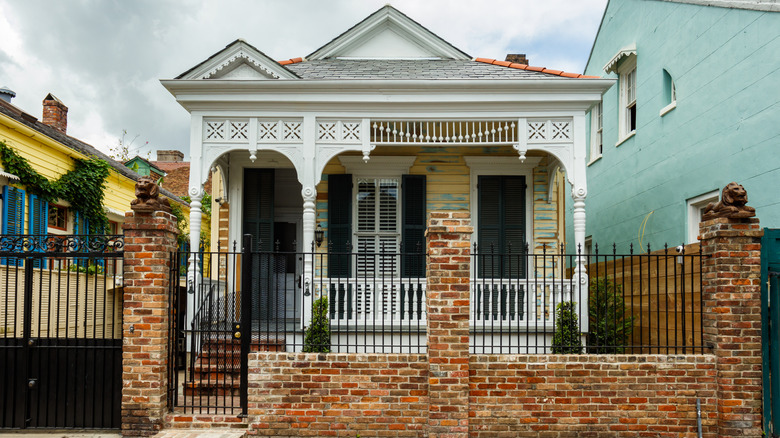
How Construction Companies Dropped Narrow Homes After the 1950s
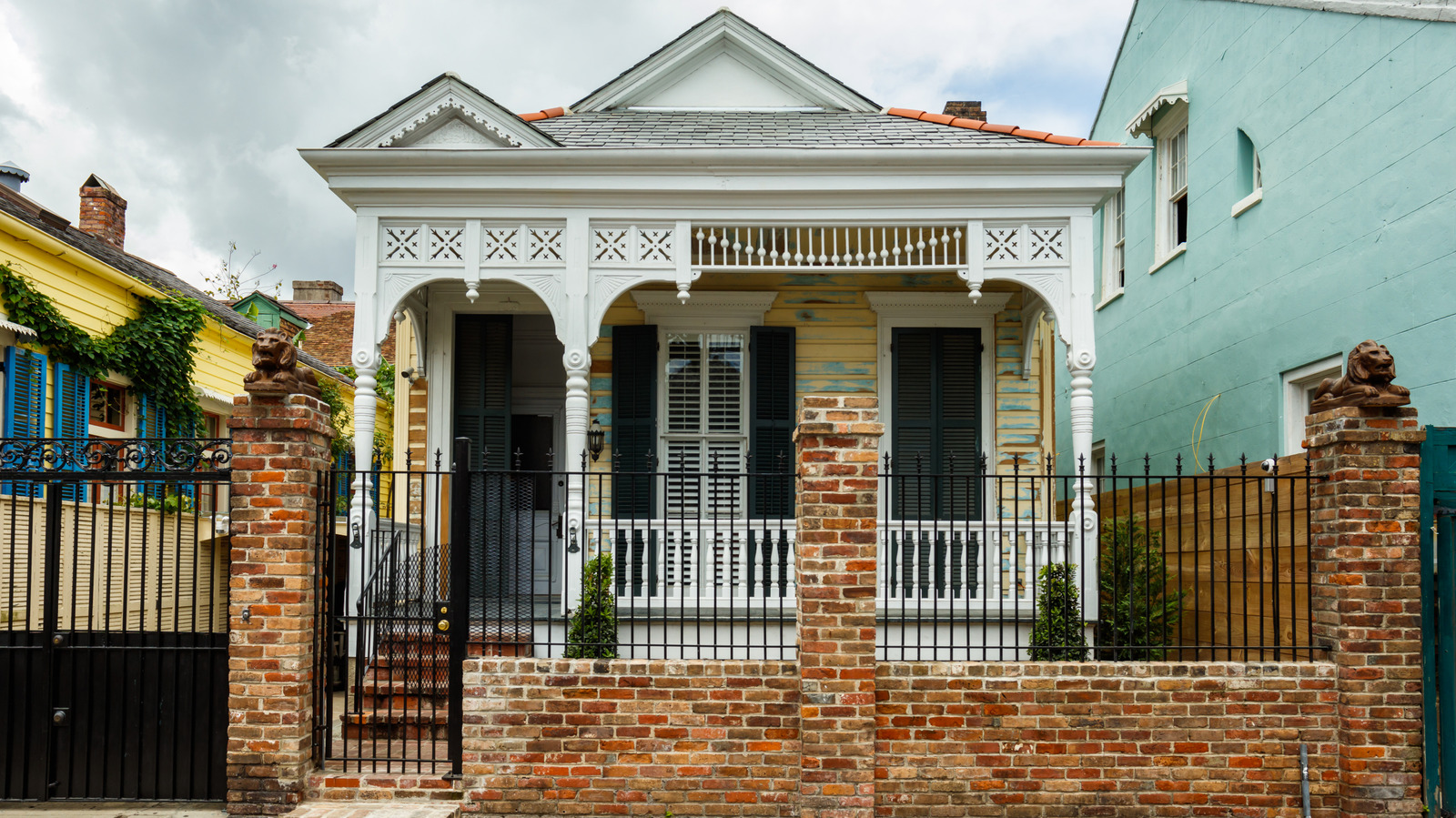
Technology and money matters sealed the shotgun house’s fate
William A. Morgan/Shutterstock
Shotgun houses were the ultimate budget-friendly option for working folks to snag a place of their own in southern cities back in the 1800s — which was huge since that’s where all the jobs were. Once cars became the norm in the early 1900s, you didn’t have to live right next to work anymore. Then came World War II and everything flipped. Suburban neighborhoods popped up, highways crisscrossed the country, and the economy boomed. Suddenly everyone wanted their own detached house with plenty of privacy, extra bedrooms, and a spacious yard out in the suburbs. With soldiers coming home ready to settle down, government loans making big homes affordable, and fat wallets to spend, nobody wanted shotgun houses anymore.
By the 1950s, builders ditched the shotgun design because the market had moved on — buyers wanted bigger suburban homes instead. During the ’60s, loads of these unique historic homes got demolished to make room for modern city buildings. A bunch of shotgun houses hung on in New Orleans until Hurricane Katrina swept through in 2005. After the storm, a ton of the city’s historical shotgun homes disappeared during reconstruction, which left Louisville, Kentucky holding the biggest collection today. But here’s the thing — shotgun houses are making a comeback, probably for the same reason they were originally built: they’re cheap. Joanna and Chip Gaines even got in on the trend. It’s definitely something special.