
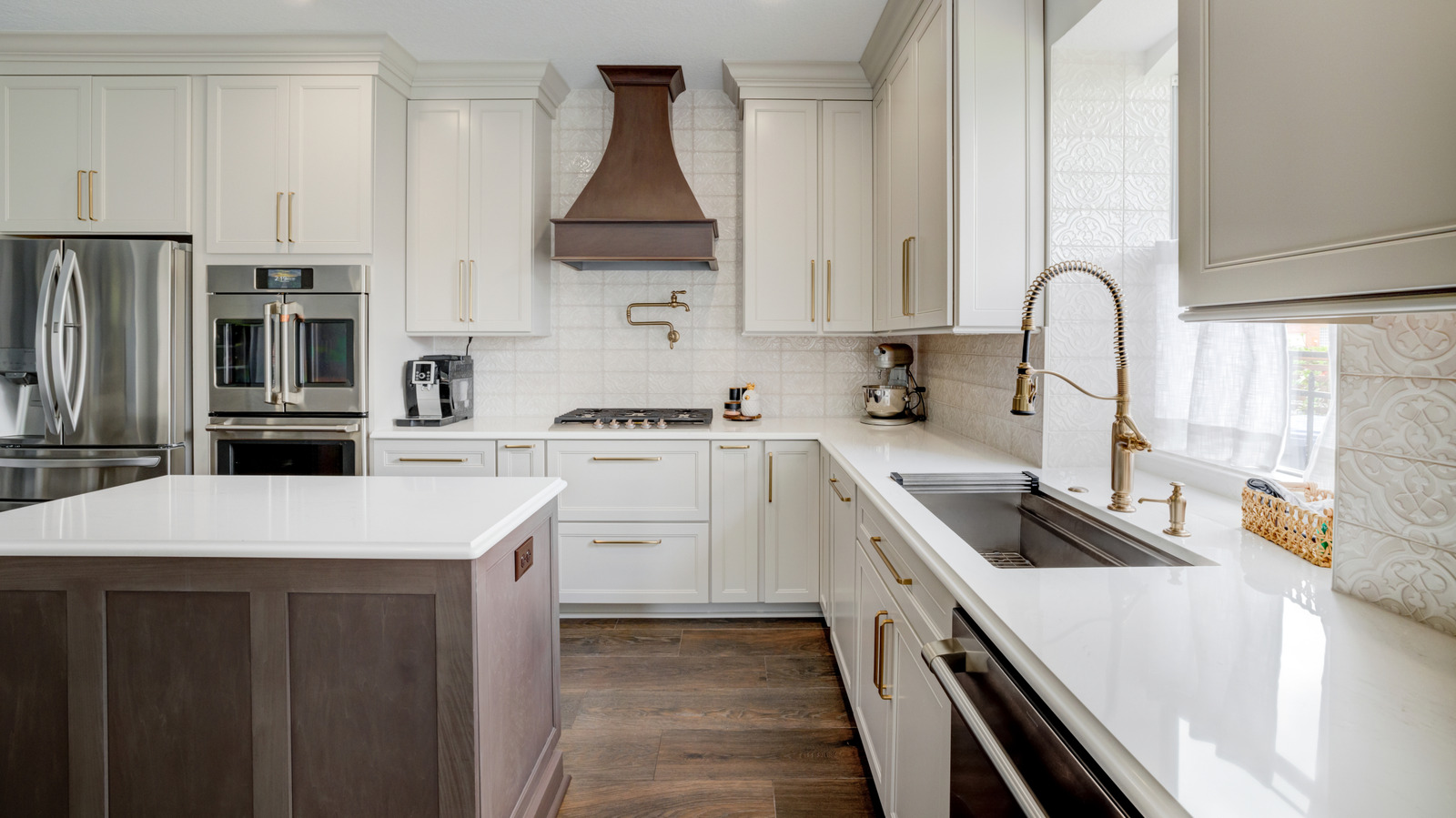
We may receive a commission on purchases made from links. Kitchen remodels can be super stressful and disruptive, not to mention pricey. It’s way too easy to throw your budget at fancy features and high-end materials when honestly, you might not even need them. If you’re planning a kitchen renovation or building from scratch, it pays to think carefully about what you’ll actually use. That’s where this guide comes in handy. Maybe you binge-watched “The Bear” and now you’re convinced a commercial-grade stove is essential for your dream kitchen. Or perhaps you’ve been eyeing some gorgeous marble countertops. Or you’re thinking about squeezing in a tiny dishwasher to free up some space. While certain kitchen features definitely have their place in good design, some of them just aren’t worth the premium price tag when you dig deeper.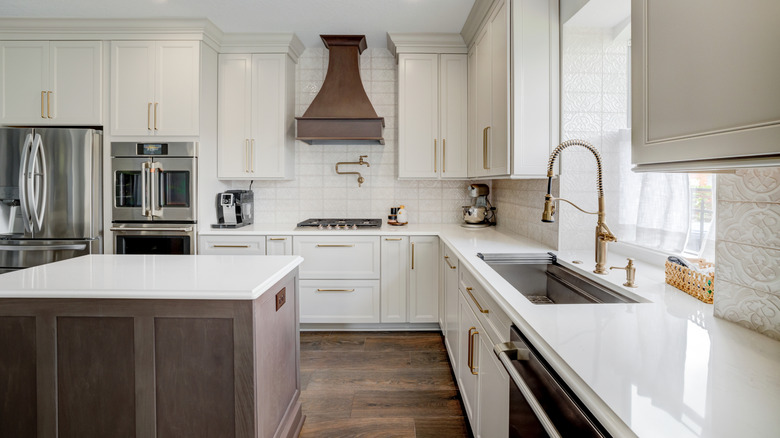 Photos By The Owl/Shutterstock
Oversized kitchen islands with in-built stoves and sinks
 Kokouu/Getty Images
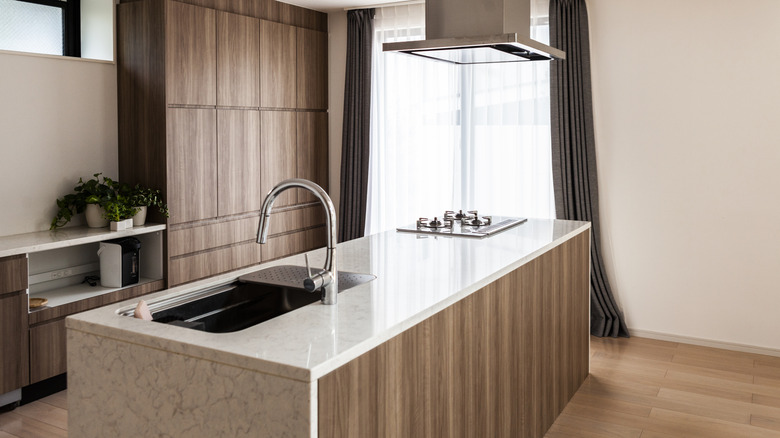
 If you’ve got a smaller or medium-sized kitchen, steer clear of this island blunder. Sure, a big island with built-in appliances sounds appealing at first glance. You get tons of counter space, plus plenty of room to stash your kitchen gadgets and cookware. Add a prep sink and a built-in stove? Easy to see why they’re so tempting. But the downsides are pretty serious. For one thing, they’re not flexible — you can’t move them around when you need extra space for entertaining guests. And once you add sinks and stoves into the mix, costs skyrocket. Over on Reddit, plenty of people who’ve gone this route say it actually defeats the whole purpose of having an island. One user summed it up perfectly: “Stoves and sinks are terrible in islands,” explaining that an island is supposed to give you extra counter space. “Having a huge kitchen with limited workspace would drive me insane.“
Then there’s the money side. Installing a sink in your island runs between $1,500 and $5,000 just for plumbing alone. A range? Expect to pay $500-plus just for wiring if you hire a pro. Keep in mind that drop-in ranges cost more to install than freestanding or slide-in models since you need customized cabinets with special cutouts. The range itself can cost anywhere from $700 to over $1,500. Add it all up, and your cooktop alone could blow a big chunk of your whole kitchen budget.
Commercial-grade appliances
 Guvendemir/Getty Images
 When you’re shopping for kitchen gear, it’s tempting to grab the most premium option you can swing. And hey, why not? Just don’t go overboard. Commercial-grade appliances come with serious sticker shock. Think about ranges — commercial ones run between $2,000 and well over $15,000, while regular home models typically cost $500 to $3,000. Installation is another beast, hitting $15,000 for commercial ranges compared to maybe $500 for a standard home oven. Here’s the real problem: most home cooks will never use these things to their full potential. Plus, commercial appliance warranties usually only cover you if you’re using them in an actual restaurant or commercial kitchen. So if something breaks, you might be footing the whole repair bill yourself.
Bottom line? For most homeowners, splurging on commercial-grade gear just doesn’t make sense. Carrie Schulz, Head of Design at Block Renovation, puts it simply: “Unless you’re specifically going for a chef-grade kitchen, you’ll be able to do everything you need day-to-day with lower-priced tools.” If you’re a professional chef who wants pro-level equipment at home, that’s one thing. But for everyone else, it’s probably more headache than it’s worth.
Going overboard on upper cabinetry
 Yevhen Maksymov/Getty Images
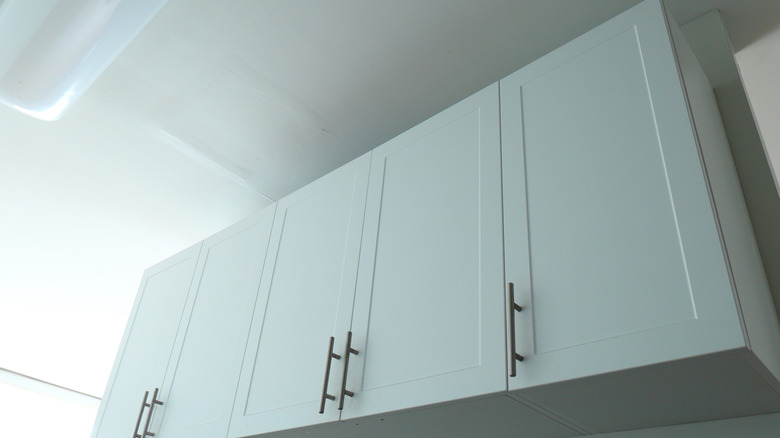
 It’s natural to want to maximize storage space in your kitchen. But here’s the thing — you really shouldn’t go crazy with upper cabinets. That said, ditching them entirely isn’t the answer either. If you have a roomy kitchen, a few strategically placed cabinets can actually boost your storage game nicely. But no matter how much space you’ve got, avoid the temptation to plaster your walls with cabinets.
From a practical angle, extra shelves aren’t necessarily a “waste” per se. But they’re definitely pricey. Cabinets typically run between $50 and up to $1,500 per linear foot, depending on quality and features. From a design perspective, if you’re after a more upscale kitchen vibe, they can really mess with your aesthetic. Interior designer Stephanie Martin explains: “You’ll never find me designing wall-to-wall banks of upper cabinetry.” She points out that truly high-end kitchens need breathing room. Too many cabinets make the space feel cramped and heavy. And if you’re aiming for that gorgeous, custom kitchen look, wall-to-wall upper cabinets can give off more of a builder-grade vibe than a luxe one.
Overly customized cabinet interiors
 Xphotoz/Getty Images
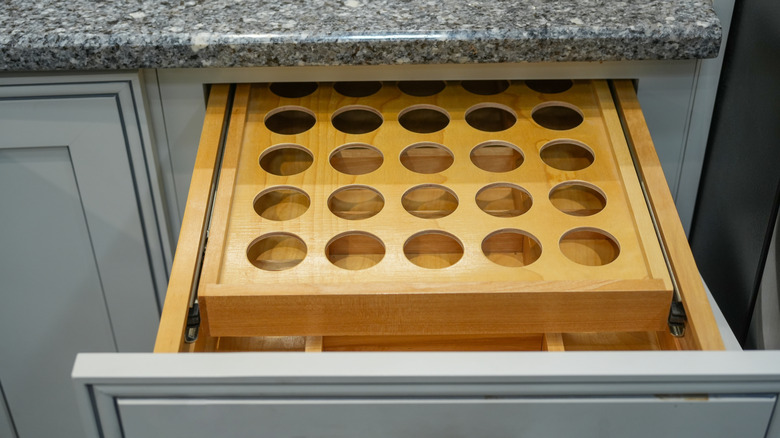
 Don’t get us wrong — organized storage solutions are fantastic. They can genuinely make your kitchen life smoother when they’re tailored to how you actually cook and live. But when you customize every single cabinet with specialty organizers, pull-outs, and custom inserts, you could end up regretting it down the road. Life changes. Families grow, kids come along, maybe you get a pet. Your cooking style evolves, your food preferences shift. Cabinets already eat up nearly half of most kitchen renovation budgets. Standard cabinets might run you up to $400 per linear foot, but custom ones? They can hit $1,200. When your life changes in a few years, will those pricey custom solutions still feel worth it?
Play it smart by keeping some cabinets simple with basic shelves and drawers. If you absolutely want to organize your kitchen, go for removable solutions instead. Cutlery dividers and shelf baskets are awesome for tidying up without locking yourself into one layout forever. You can swap them out whenever you need something different, so you’re not stuck with a super expensive system that no longer fits your needs.
Pot filler faucets
 Hikesterson/Getty Images
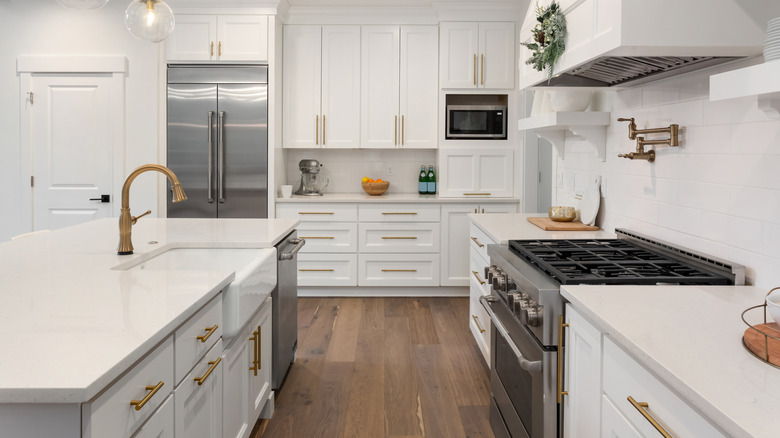
 What’s on your wish list of fancy kitchen features? Maybe there’s a gorgeous faucet above the stove at your local showroom that catches your eye every time you stop by? Before you get too attached, pump the brakes. These overhead pot fillers promise to save you time and your back by letting you fill pots directly on the stove instead of hauling heavy pans across the kitchen. But they’ll seriously damage your budget. Just rerouting pipes and doing the wall work can cost anywhere from $975 to $3,000.
More importantly, they’re really not worth the hassle or the money. There are some legit reasons to skip pot filler faucets altogether. Plumbing problems are a big one. One Reddit user nailed it: “One more thing to leak without even having a drain!” That’s spot on. If an O-ring wears out, cracks, or warps (it happens), your faucet could start dripping all over your oven and the wall behind it. Now you’ve got way more than just a faucet to fix.
Striking marble countertops
 J Mour/Shutterstock
 Natural stone is timeless, gorgeous, and luxurious for any kitchen. But picking the right type matters. Marble looks stunning with its unique patterns and colors, almost like living art on your counters. But here’s the catch — marble comes with some serious drawbacks that might make it a total money pit. It scratches ridiculously easily, which is wild for something made of stone. Plus it stains super easily because marble is made from calcite, which is super porous. You’ve got to seal it regularly to prevent stains, and if you slack off, spilled liquids will seep right into the stone. No wonder marble is falling out of favor in modern kitchens, especially when you consider the price tag — easily up to $5,000 for a typical kitchen project.
If you’re set on natural stone, there are tougher options out there. Granite is way more durable than marble and keeps its glossy finish longer, so it stays looking fresh for years. Sure, it costs more upfront, but because it’s harder to damage and stain, you won’t feel like you threw your money away down the line.
The latest trendy finishes
Related Posts
Vintage-Inspired Color Schemes to Make Your Home Look Great
Logan Bush/Shutterstock We may receive a commission on purchases made from links. You know that…
Skip Boring Concrete: Try This Textured Option for Your Home’s Outside
Douglas Rissing/Getty Images Concrete gets the job done and shows up everywhere in home construction,…

Creative Thrift Store Quilt Rack Makeovers: 13 Easy Ideas
Bezbod/Shutterstock We may receive a commission on purchases made from links. You might not have…