
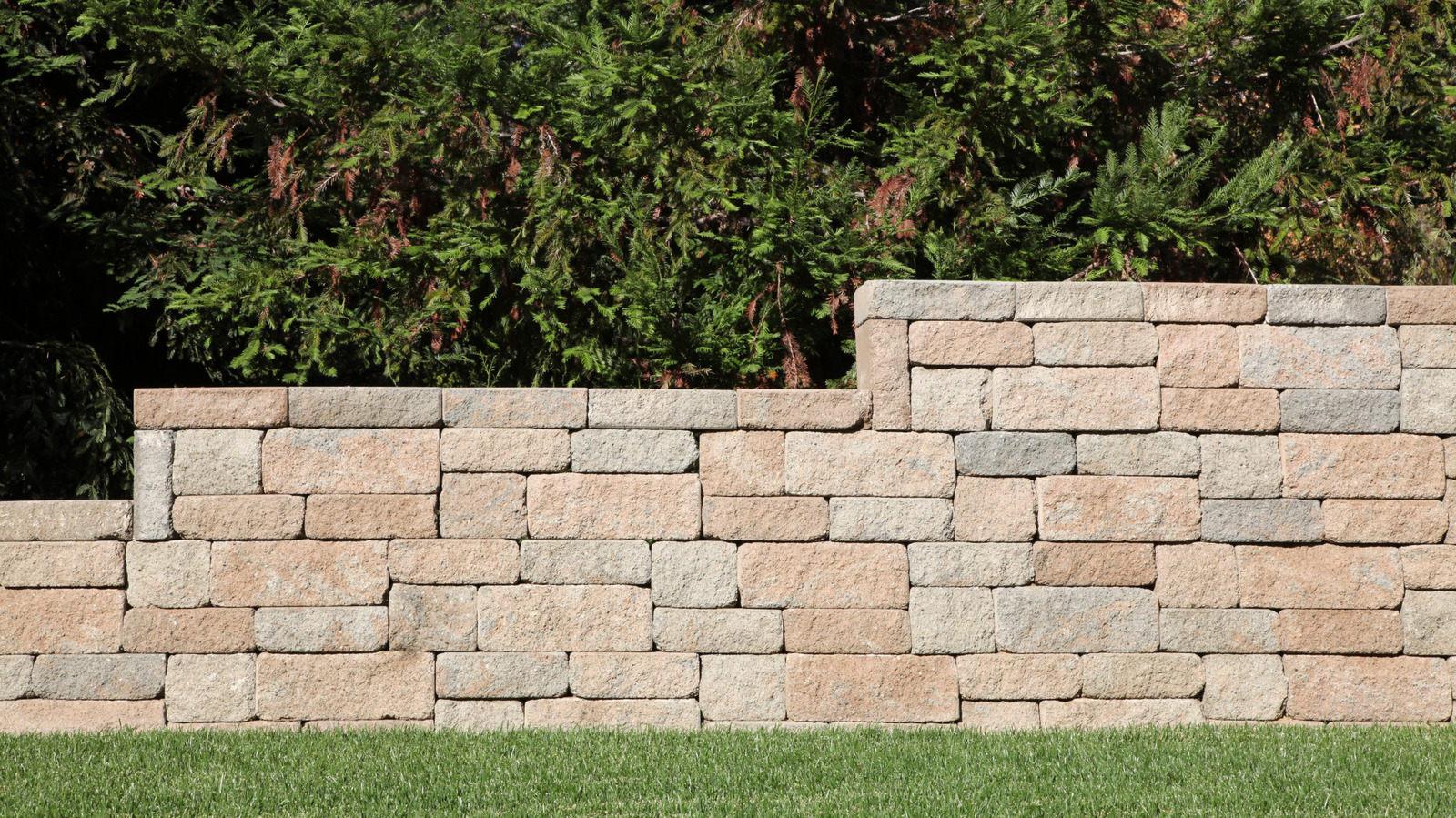
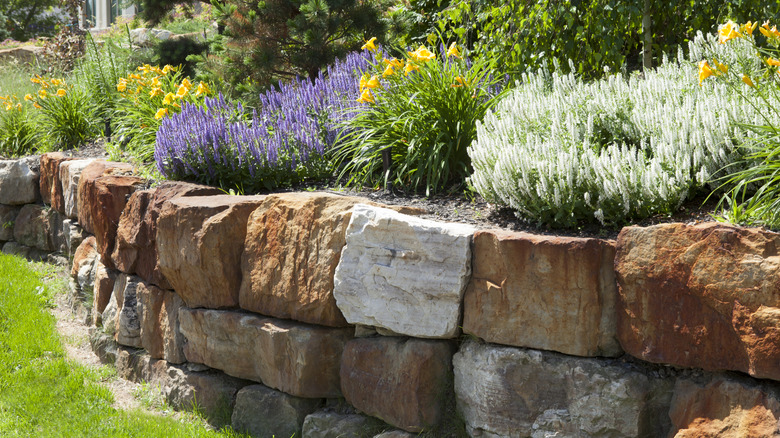
We may receive a commission on purchases made from links. Retaining walls play a big role in keeping properties with steep slopes and hills looking good and stable. They’re basically holding back tons of soil, stopping potential landslides, and helping water drain away properly. You’ll usually find them made from stone, but they’re also great for flatter yards too—think flower beds or sidewalks. Like anything else, retaining walls can take a beating over time and develop issues like loose blocks, tilting, or cracks. While some damage isn’t a huge deal, larger cracks are something you’ll want to fix sooner rather than later. Small surface chips and scratches? Not really worth losing sleep over. But if you spot a crack that’s wider than a few millimeters, that’s worth paying attention to. Cracks in a retaining wall can mean different things depending on where they are and how they look. Say you’ve got a big crack running along the bottom of the wall—that might mean the soil pushing against it is too heavy and the wall’s starting to lean. Or if you see moisture around a crack, your drainage system might not be doing its job and water’s building up pressure behind the wall. Tree roots poking where they shouldn’t, shoddy construction, and a foundation that wasn’t packed down tight enough can all cause retaining walls to crack over time. To avoid the headache, some homeowners have decided to 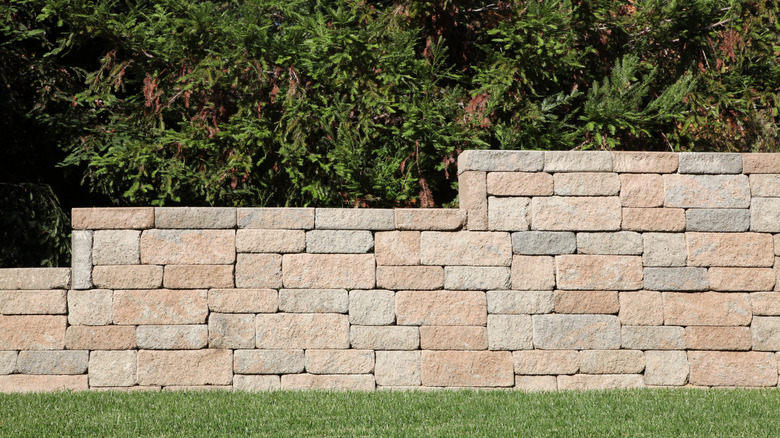 Yenwen/Getty Images
Spotting Cracks in Your Retaining Wall? Here’s What to Do Next
A cracked retaining wall isn’t something to ignore
 Yvandube/Getty Images
 Where your retaining wall is located matters too when it comes to how fast you need to jump on the problem. A crack in a wall holding up a tiny flower bed isn’t nearly as urgent as one supporting a big sloped yard. If you’re pretty sure the crack is just a surface issue and nothing more serious is going on structurally, you might be able to tackle it yourself. Just brush away any crumbly bits of brick or stone, then use something like this to fill the gap and seal things up. If you’ve got a concrete wall, you could also go with something like polyurethane grout.
Now, if you’re dealing with bigger cracks or sections that are falling apart, you’re probably looking at replacing that damaged section or the whole wall. For anything larger, you’ll likely want to bring in the pros. The silver lining? When they rebuild it, they’ll usually use better foundation and support systems to help prevent problems down the road. Just like with other home issues, a crack in your retaining wall isn’t always a total emergency. That said, the risk of major problems like the whole thing collapsing means you should always take any crack you spot seriously.