
Looking to give tired, beat-up wood a fresh new look? Stains are totally the way to go. You can match the existing color or switch things up entirely. Sure, there are tons of options at the store, but here’s a fun secret: you can make your own, and it’s basically free, all-natural, and way easier to customize. Plus, you’ll get those professional-looking results. Coffee grounds get all the hype as a DIY stain option, but honestly? Tea is where it’s at. It works better and creates way less of a mess. Black tea is perfect if you’re into those classic neutral brown tones, but if you want something really surprising, grab some berry or hibiscus tea instead. As it brews, these herbal teas release this gorgeous bright red color that absolutely pops on lighter wood. The longer it steeps, the richer the color gets—and when you put it on light woods like basswood or pine, you can get some seriously stunning reds and purples. Here’s the catch though: berry tea reacts with the wood’s pH level, so the final color can be a bit unpredictable. That’s why it’s smart to test it out on a hidden spot first, like the back or bottom. Love what you see? Then let’s get into the good stuff.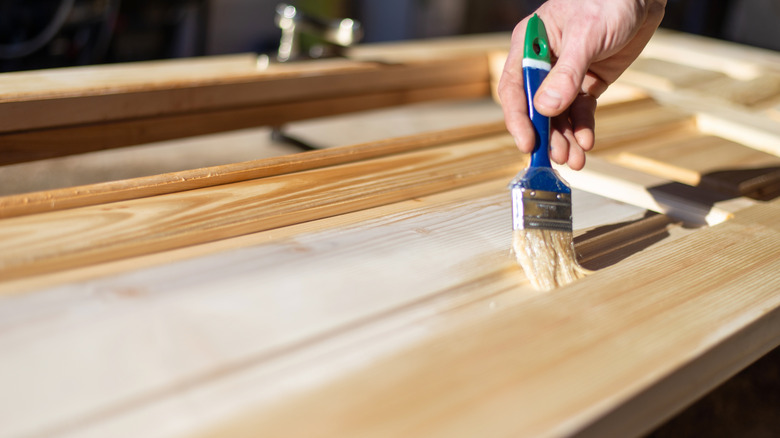 OlhaSemeniv/Shutterstock
The Kitchen Scrap You Can Use For A Unique Wood Stain (It’s Not Coffee Grounds) The Leftover Food Scrap That Makes Great Wood Stain (And It’s Not Coffee)
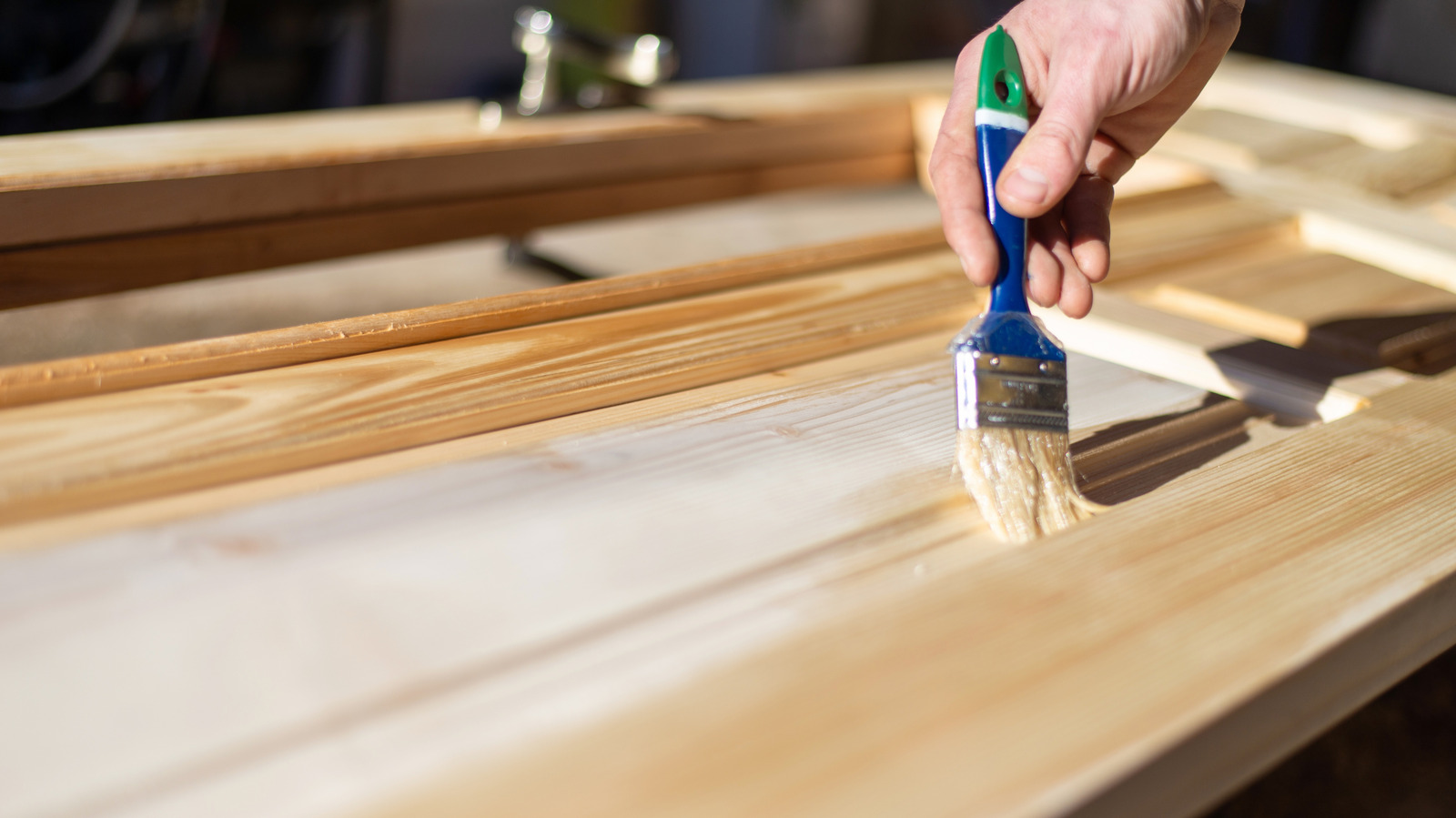
How to stain wood with berry tea for those gorgeous unexpected shades
 Yingko/Getty Images
 First things first: pick the right wood for this project. If your wood is already pretty dark, those reds and purples won’t show up as well. You really want to work with lighter woods—birch and pine are your best friends here. Next up, prep is everything. If the wood is painted, varnished, or sealed up, the stain won’t get through to the actual wood beneath. Grab some 120-grit sandpaper and sand the whole thing down, then finish with 220-grit to smooth it out. If you’re starting with bare wood, use 80-grit instead, and always sand with the grain, not against it.
Now for the fun part: apply your tea stain using a cloth or a brush, then wipe it off after just a couple of minutes. Use a dry cloth and follow the grain of the wood, and don’t let it sit and dry completely on the surface. The more coats you add, the deeper and more vibrant your color becomes. Once you’re loving the shade, seal it up—herbal tea stains fade faster than other natural dyes, so protection matters. Water-based Polycrylic works great because it won’t damage the stain or mess with the color you’ve worked so hard to achieve.