
Knape/Getty Images
I’ve got a real soft spot for historic homes. The unique character and details of houses built before the 1960s totally captivate me. That’s why I jumped at the chance to buy a 1950s home in West Virginia, even without seeing it first. The kitchen was the selling point – I fell for the chrome edging on the counters and the cute little shelves around the sink window. No matter what renovations we do, those features are staying put. In my opinion, the best historic home updates respect the soul of the house while adding modern touches.
As luck would have it, I also landed a job with the Preservation Alliance of West Virginia. This gave me a front-row seat to seeing how the pros restore historic buildings and homes. I learned so much about the awesome resources available to help folks renovate their vintage properties.
Restoring an older home can be really intimidating. Balancing repairs, design choices, and preserving vintage features with modern updates is a tricky balance. But when it’s done right, like in Drew Michael Scott’s 1920s kitchen makeover, the renovation feels like an extension of the home’s story, not a total reset.
How thoughtful design choices kept this kitchen true to its era
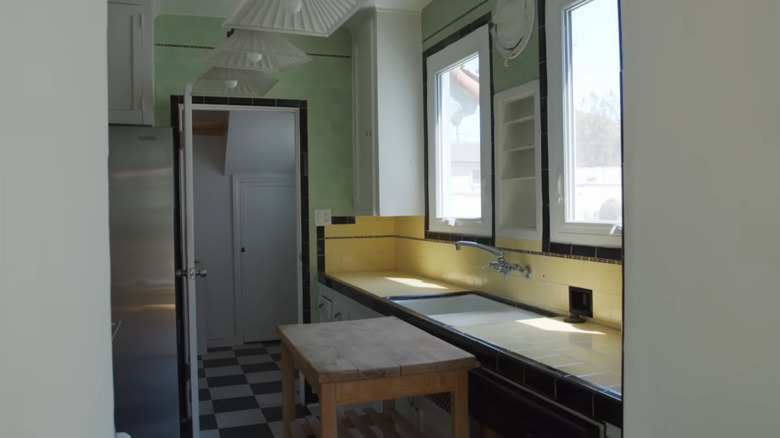
One smart move Scott made was choosing one historic feature to center his design around – in this case, the Art Deco tile. Saving gorgeous vintage backsplash tiles is a great way to honor a kitchen’s history, even when adding modern touches. He also left the original cabinets in place and just gave them a fresh coat of paint. When his first color choice didn’t feel right, he went with a lovely buttercream yellow that complements the original tile.
Scott’s lighting choices were another standout – he used beautiful 1920s-inspired fixtures that really tie the whole room together. And his DIY penny tile floor, inspired by classic period patterns, was the perfect finishing touch.
In my opinion, Scott struck the perfect balance – he brought this 1920s kitchen into the 2020s with modern appliances and functionality, while still celebrating its vintage charm.
What Drew got right that other homeowners can learn from
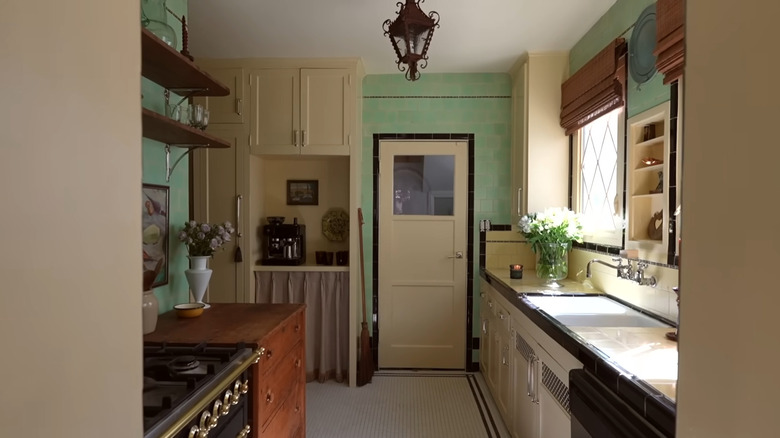
Drew Scott’s vintage kitchen renovation is a textbook example of how to update an older space without destroying its character. By practicing restraint and preserving as many original elements as possible, he was able to honor the home’s history while making it functional for modern living.
I reached out to my former boss at the Preservation Alliance of West Virginia, who explained that this “encapsulation” approach, where you paint over rather than remove original materials, is often preferred in professional restoration. It keeps the home’s history intact, is more cost-effective, and can be safer when dealing with issues like lead paint.
Whether your kitchen is formally historic or just has vintage vibes, Drew’s renovation shows that focusing on the elements you want to preserve provides a solid foundation for any successful update. By respecting the home’s personality, he was able to bring it into the 21st century without losing its vintage charm.