
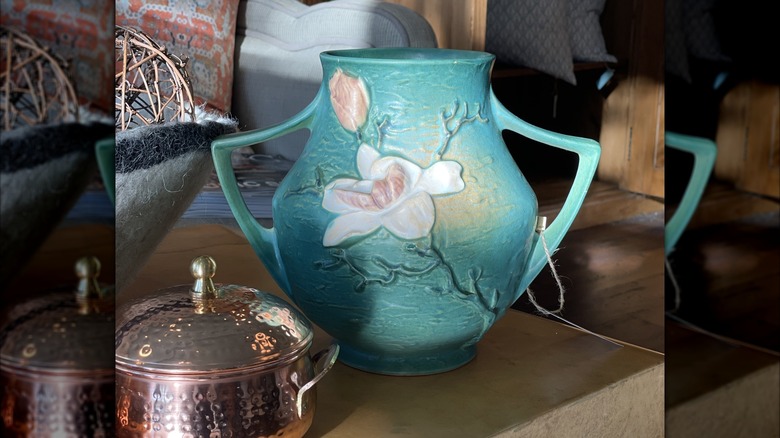
You can score some seriously stylish vintage pottery for a steal if you know what to look for! One brand that’s definitely worth hunting down is Roseville Pottery. This iconic Ohio-based company was known for their stunning, hand-crafted ceramic pieces with intricate floral designs and rich, eye-catching glazes.

Robinolimb/Getty Images
Roseville Pottery was churning out beautiful, affordable pieces that fit right in with the popular Arts and Crafts style back in the day. But as imported ceramics started flooding the market, Roseville’s star power began to fade. Now, these vintage gems are seriously collectible, with prices ranging from the hundreds to the thousands depending on the pattern and condition.
Even though Roseville shut down for good in 1954, you can still find their stunning wares at thrift stores and antique shops if you know what to look for. Just keep an eye out for those classic floral designs, rich glazes, and the telltale “USA” stamp on the bottom. With a bit of detective work, you could uncover a real Roseville treasure that’s worth way more than you paid!
A brief history of Roseville Pottery

Lee Ellsworth/Shutterstock
This pottery powerhouse started out making basic household items back in 1892, but they really hit their stride in the early 1900s when they moved to Zanesville, Ohio – an area rich in high-quality clay. Under the leadership of their talented design director Frank Ferrell, Roseville transitioned from simple earthenware to stunning, hand-decorated lines that embodied the Arts and Crafts style.
By the 1920s and 30s, Roseville was in its prime, churning out pieces with authentic artistic flair at an industrialized pace. Their iconic Pine Cone pattern became a huge hit, helping the company weather the economic storms of the Great Depression. But the post-war years were tough, as Roseville struggled to compete with the influx of cheap, mass-produced ceramic imports. The company ultimately closed its doors in 1954, cementing their vintage pieces as highly collectible treasures.
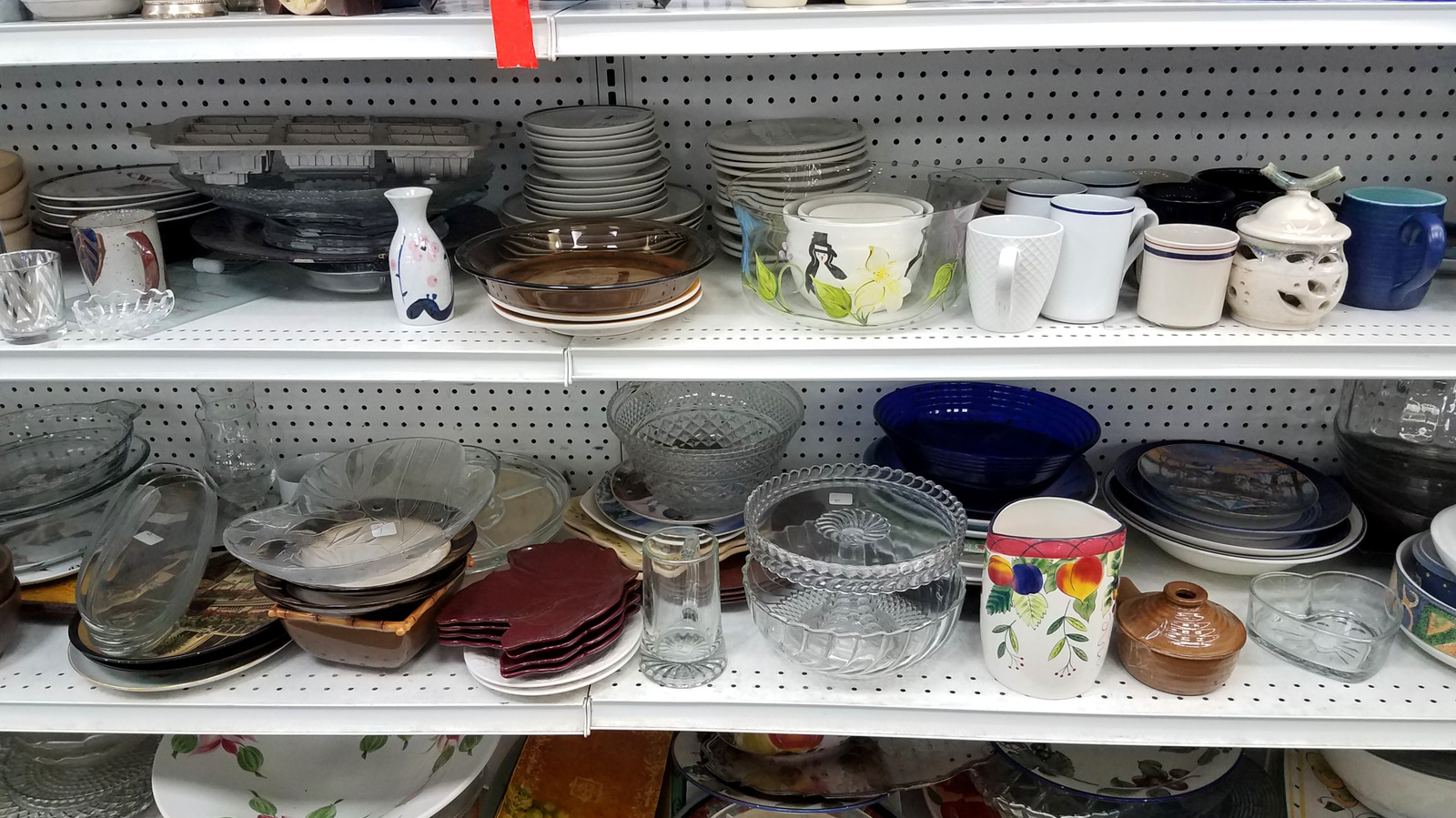
How to spot Roseville Pottery while thrifting
Jengerkendesigns/Shutterstock
With so many different Roseville designs out there, knowing what to look for can be a bit tricky. Your best bet is to carefully inspect the underside of any suspicious pottery pieces – that’s where you’ll find the telltale Roseville marks. Early items typically have “RPCo,” “Roseville Pottery Company,” or “Rozane” stamped on the base. In the 1920s, you might see a black paper label, which later gave way to foil labels in the 1930s.
But beware – there are a lot of Chinese knockoffs out there that try to mimic the Roseville look. These fakes usually lack the signature “USA” stamp and other hallmarks that distinguish the real deal. If you take the time to closely examine any potential Roseville finds, you might just uncover a true vintage gem at a thrift store that’s worth way more than you paid. It’s a hunt that could really pay off!