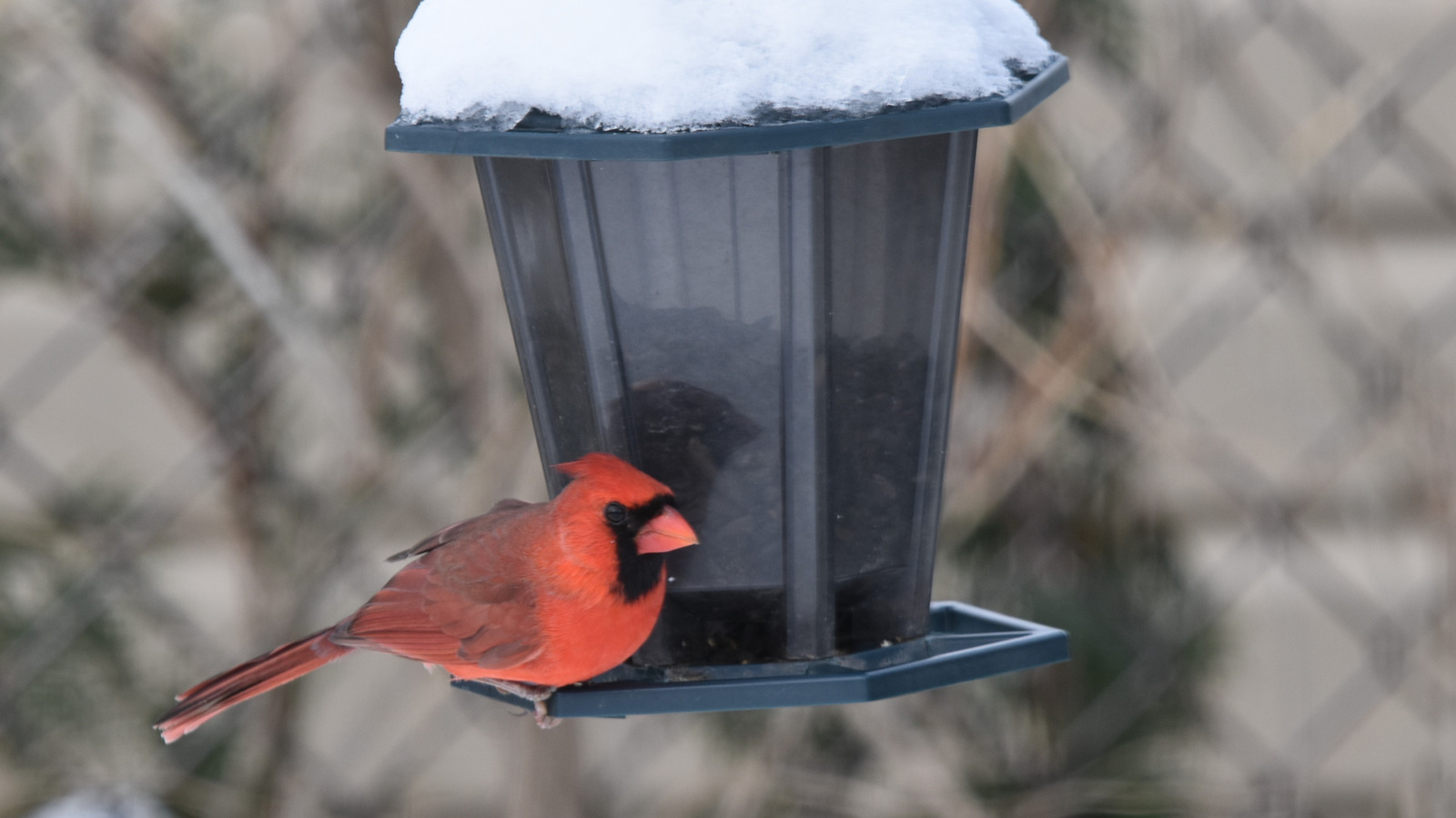
Keeping a backyard bird feeder can be a real joy, but you’ve gotta stay on top of moisture management. Mold just loves dark, damp environments – and a bird feeder full of seeds is the perfect breeding ground. In less than 48 hours, rain or humidity can get that seed all moldy, and that’s a big problem. Mold produces nasty spores that can make small songbirds seriously sick or even kill them.
Luckily, there are some great feeder materials that resist mold way better than wood. Glass, metal, and recycled plastic are all fantastic options. Traditional wooden feeders might look nice, but that porous material acts like a sponge for moisture and creates the ideal conditions for mold growth. Even with regular cleaning, it’s tough to fully sanitize a wooden feeder.
Non-porous materials are the way to go – they create a solid barrier that keeps water on the outside and your bird seed nice and dry on the inside. That helps protect your feathered friends from illness and cuts down on all that frustrating scrubbing.
Why recycled plastic, metal, and glass resist mold best
Recycled plastic feeders are super durable and a breeze to clean. The non-porous material doesn’t let mold spores grab on, so if any growth does happen, you can just wipe it away with some soap and water. Powder-coated metal and glass are just as effective at keeping things sanitary. The smooth, non-porous surfaces resist moisture, rust, and other issues that could lead to mold. And with glass, you can easily see if anything funky is going on in there.
Choosing mold-resistant materials for your bird feeder means less hassle for you and a much safer dining experience for the local birds. No more worrying about toxic spores or having to scrub away gunk every other week.
Why smart feeder designs matter as much as material
The actual design of your bird feeder is just as important as the materials it’s made from when it comes to preventing mold. Even the best feeder can’t stop mold if water is pooling up or there’s no airflow. Look for models with good drainage and ventilation – that creates a natural chimney effect to keep humid air moving out and seeds nice and dry. Some feeders even have antimicrobial coatings for extra protection.
By picking the right feeder and maintaining it properly, you can minimize mold growth and spend more time enjoying the feathered visitors in your backyard. Just make sure to clean your feeder regularly to keep everything fresh and healthy.