
Lots of pests will be looking to sneak inside your home this winter to escape the cold. These critters are always on the hunt for warmth, food, and shelter – and your house might seem like the perfect place to hunker down until spring. But don’t worry, there are plenty of ways to keep them out and protect your home. Let’s dive into what to expect and how to prepare. Pests aren’t slowing down just because it’s cold outside. In fact, many will be more determined than ever to get inside. Sealing up cracks, removing food sources, and making quick repairs can go a long way towards keeping unwanted guests away. The more you know about what’s coming, the better you’ll be able to prevent it.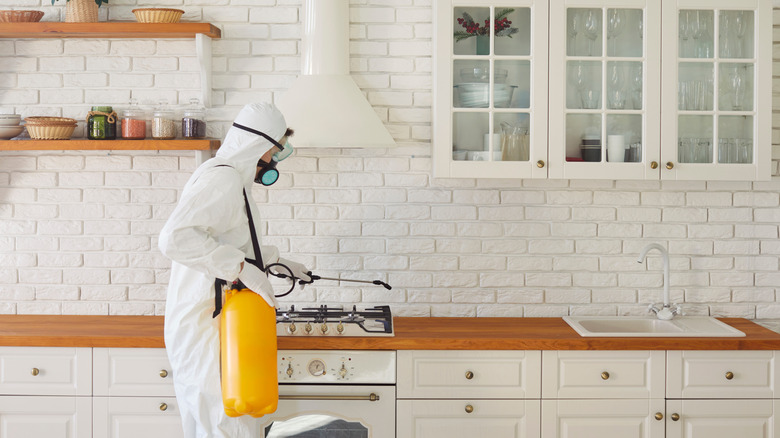 Studio Romantic/Shutterstock

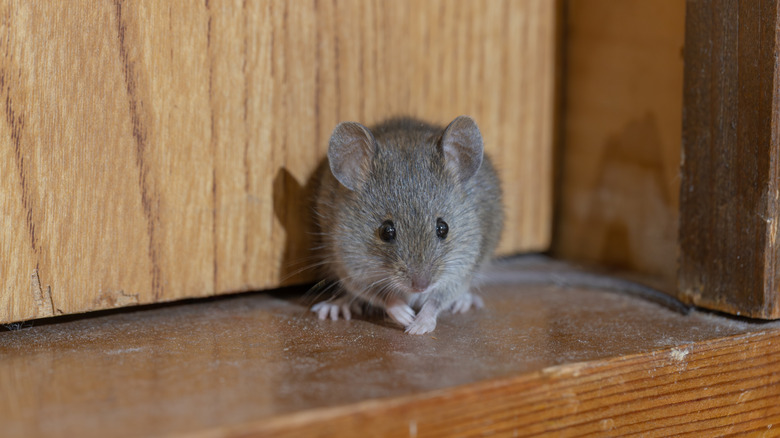
Mice will build nests in boxes
 Kelly Marken/Shutterstock
Mice are total pros at finding a cozy spot to hunker down for winter. They can squeeze through tiny holes the size of a dime to get inside, and once they’re in, they’ll be on the hunt for the perfect nesting spot. Things like cardboard boxes, old sheets, and other warm materials make great nesting materials for these pests. And if they make themselves at home, it can be really tough to get them back outside.
Don’t underestimate these little guys – they may look cute, but mice can cause some serious damage. They’ll chew through wood, electrical wires, and contaminate any food they get into. Mice also spread diseases like Hantavirus and Salmonellosis, so you definitely don’t want them moving in.
How to prepare your home from mice
 otelzucianas/Shutterstock
To keep mice out, do a thorough check around the exterior of your home for any cracks or holes, especially around doors and windows. Seal up any gaps with caulk or steel wool. Remember, mice can squeeze through super tiny spaces, so don’t overlook anything that might seem too small. If you notice signs of mice like droppings or chewed boxes, try to trace back where they’re getting in.
Mice are masters of finding ways inside, so you’ll need to be just as diligent in checking for potential entry points. Sealing up those gaps is the best way to prevent a mouse invasion this winter.
Cockroaches will seek out moisture
 Watthana Tirahimonchan/Shutterstock
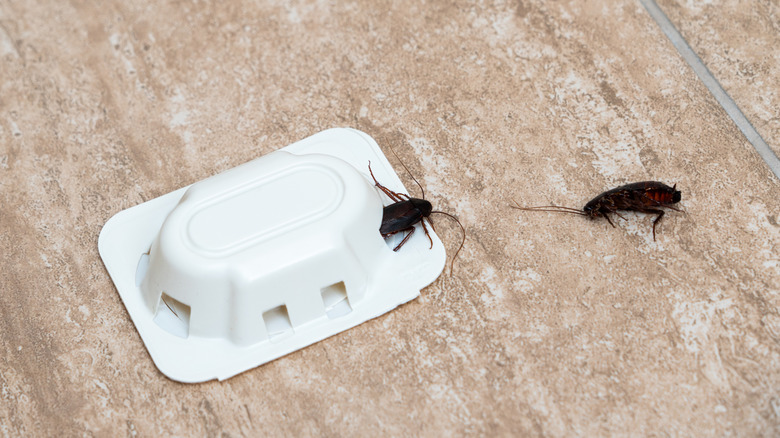
Nothing will make you jump back faster than finding cockroaches in your home. These pests can hitch a ride inside in boxes, bags, or even old appliances. Like mice, they can also squeeze through cracks and holes, especially around windows and doors in moist areas like kitchens, bathrooms, and basements.
Cockroaches are not only gross, but they can also contaminate your food and spread bacteria and viruses that can make you sick. They’ll go after crumbs on the floor and any open food on the counters. If they get into your kitchen, you’re in for some serious trouble. And if you have any allergies or asthma, these bugs can really trigger symptoms.
How to prepare your home against cockroaches
 Denis Shevchuk/Getty Images
Cockroaches love moisture, so they’ll be drawn to any damp spots in your home, like under leaky sinks or pipes. Fixing any leaks right away and cleaning up any standing water will make your home less attractive to these pests. Check for moisture issues in the kitchen, bathroom, laundry room, and basement – these are all prime cockroach hangout spots.
Even if you don’t have food crumbs lying around, cockroaches may still move in if there’s enough moisture. So staying on top of any plumbing problems is key to keeping these bugs out.
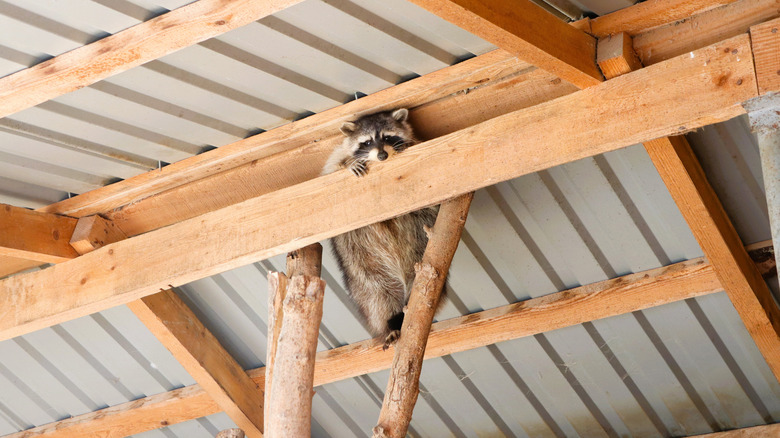
Racoons will want to find a den
 Vadim Cazacu/Getty Images
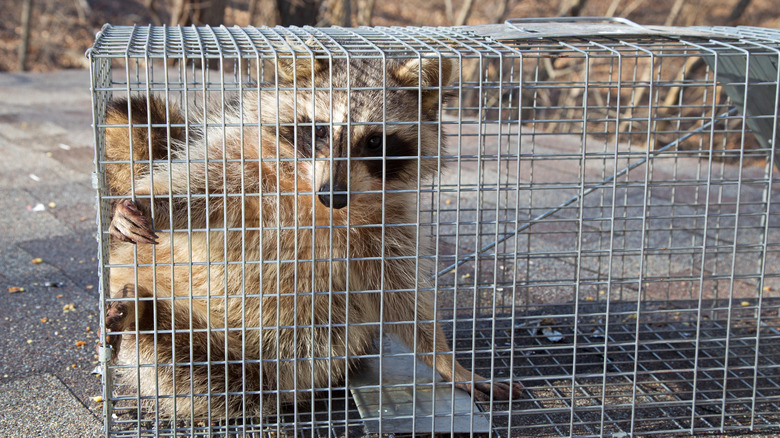
Raccoons may look cute, but you definitely don’t want them as house guests. In the winter, they’ll be looking for a warm, safe spot to make a den and have their babies. The good news is, they’re too big to fit through small cracks. But the bad news is, if they do get into your attic, it means there’s a big hole somewhere along the roof or eaves that needs to be sealed up.
Once raccoons move in, they can be pretty messy and destructive guests. Their dens get really dirty, and they’ll damage wood and insulation from scratching. You’ll also have to deal with the strong odor from their greasy fur and droppings. And these pests are known to carry rabies, so you definitely don’t want to try to pet them.
How to prepare your home against raccoons
 Charles Brutlag/Shutterstock
If raccoons do make their way into your home, the best way to handle it is to call in a professional wildlife removal service. They can humanely trap and relocate the mom and her babies to a more suitable environment. To prevent raccoons from moving in during the winter, inspect your roof and chimney for any holes, torn shingles, or broken caps. Making repairs and trimming trees near the roof will make it harder for them to get inside.
Raccoons are excellent climbers, so taking away easy access points is key to keeping them out of your home.
Ants want the warmth
 Sanerg/Getty Images
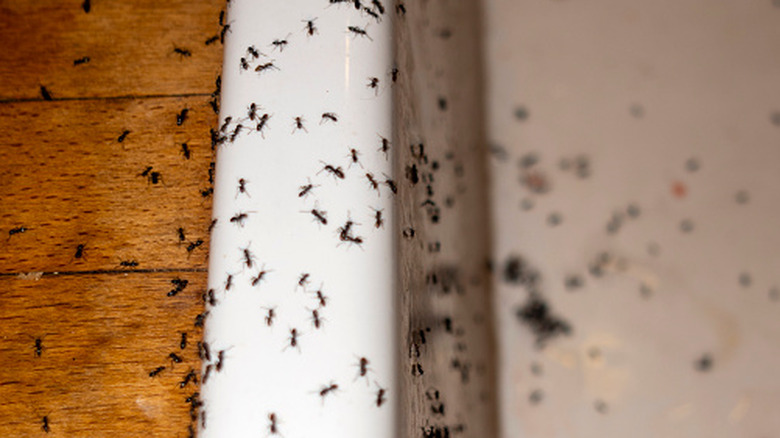
Ants will squeeze through the tiniest cracks and crevices to get inside your home when it’s cold out. They’ll be attracted to any warm spots as well as places with a good food source to help them survive until spring. Gaps around doors and windows, as well as cracks in the foundation, are all potential entry points for these pesky insects.
Ants can be a real nuisance in the home. They’ll eat away at your wood floors and walls, and a small infestation can quickly turn into a major problem. Depending on the species, they may also bite or give off an unpleasant odor. You definitely don’t want to let them take over your space.
How to prepare your home against ants
 Feng Cheng/Shutterstock
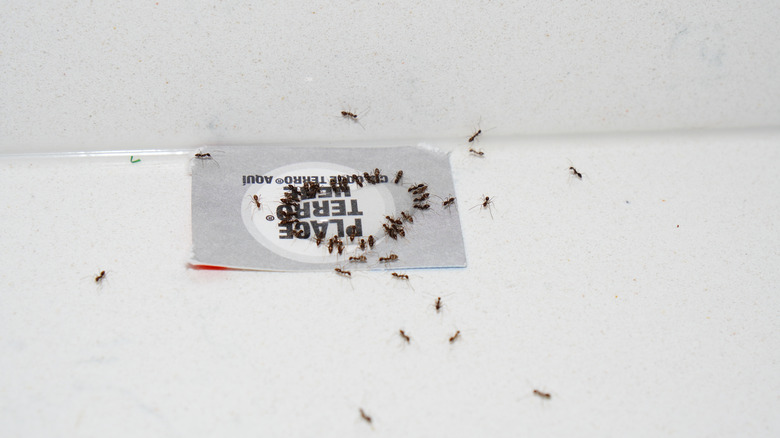
Ants love to go after any crumbs or spilled food, so make sure you’re cleaning up thoroughly and storing food properly. Keep kitchen counters clear, vacuum and sweep regularly, and store pet food in sealed containers. Dishes piling up in bedrooms are also a big draw for ants, so make sure everyone’s taking their plates back to the kitchen.
Taking these simple steps to remove food sources will make your home less appealing to ants. But if you do spot them, don’t wait – get rid of them right away before they take over.
