
If you’re fed up with skyrocketing electricity bills, frustrated with power outages, or your current HVAC system just isn’t cutting it anymore, solar panels might be calling your name. Not only can they help lower your energy costs, but if your system produces extra power, you can send it back to the grid. Research shows that homes with solar panels can see property value boosts of about 6.9%. Here’s the thing though—when you’re shopping for solar panels, skip the temptation to buy extras now if you’re not planning to install them right away. I get it; lots of homeowners want to think ahead about their future energy needs. But according to Greg Field, owner of a solar installation company, buying panels ahead of time for a future installation just doesn’t make sense. Why’s that? “Solar panels are complex systems with pretty strict limits on voltage and capacity,” he explains in his chat with House Digest. Storing panels long-term can cause real headaches, especially in hot climates where garage temperatures can get intense. “Plus, solar cells are super fragile. Leaving them in storage for too long risks cracking them even before you get a chance to install them,” he adds. So here’s what our expert recommends: “Don’t stash extra panels for down the road. Add them to your system right away instead.“ Patamaporn Umnahanant/Getty Images
Don’t Make This Big Mistake When Buying Solar Panels (It’s Not What Most People Think)

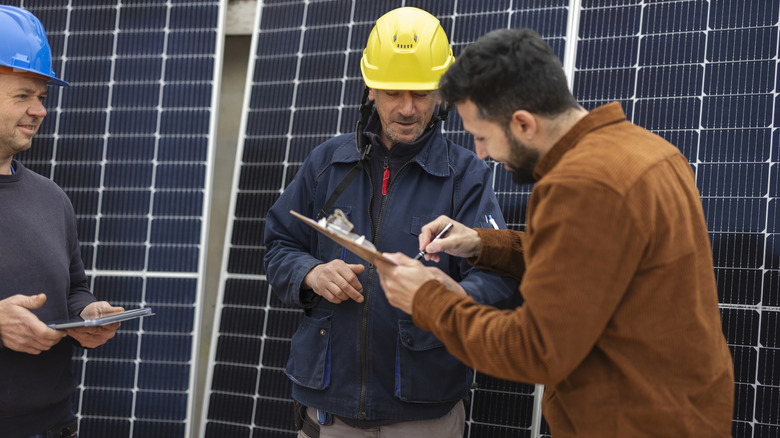
The smarter way to plan for your growing energy needs
 Aida Lopez Jimenez/Getty Images
 Most homeowners switching to solar want to cover their current energy needs without pulling power from the grid. But here’s what Greg Field pointed out during his conversation with House Digest: “Life keeps changing, and so do energy needs.” As temperatures climb, people are running their AC units longer than ever. Got a pool? Those pumps and other equipment use even more juice during hot months. Thinking about ditching gas appliances for electric ones to be more eco-friendly? That’ll bump up your power requirements too. “And if you’re planning to get an electric car, expect your electricity bills to jump by 25-30%,” he notes.
On top of that, older systems just don’t work as efficiently. Wear and tear takes its toll, forcing equipment to draw more energy to do the same job. “Everything degrades over time—solar panels, air conditioners, you name it. An older AC unit will gobble up way more energy than it did five years ago,” he explains.
So basically, it’s pretty normal for your energy needs to grow over time. Rather than buying extra panels now, Field suggests sizing your system with a little wiggle room for future growth from the start. This strategy also helps you squeeze out the most from available financial incentives. If that’s too pricey upfront, here’s another option: “Ask your installer about getting microinverters because they’re super simple to modify down the road,” our expert suggests.
Key things to know before adding more solar panels later on
 worradirek/Shutterstock
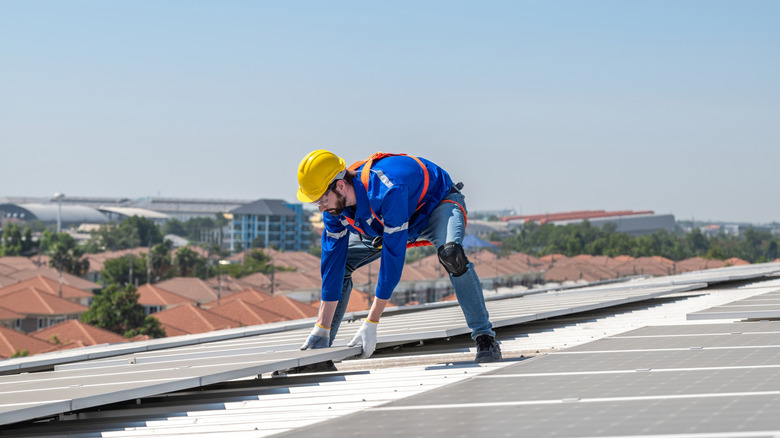
 To keep things straightforward, contractors and homeowners typically stick to the standard approach. Instead of just matching what you’re currently using, they bump up capacity by 20% to account for any future increases or power losses from unpredictable weather (think clouds, fog, or rain cutting into production). But say that’s not enough, and years down the line you decide you need more panels? Well, here’s the catch: “That bump gets classified as a modification, and you’ll have to pull new permits from your utility company,” Greg Field clarifies in his exclusive interview with House Digest.
As you might guess, getting new permits, hiring contractors again, and reworking interconnection agreements eats up both time and money. “Plus, it could change your net metering or net billing setup and cause you to lose grandfathered status.” Take California for example—they recently switched to net billing, which knocked down energy credits. While customers already signed up for net metering got to keep their sweet deal, anyone who bumped their capacity by 10% or 1 kilowatt (whichever’s bigger) got switched to the new policy.
Another thing: by the time you’re ready for those extra panels, other parts of your system might be wearing out and ready for replacement due to age or hitting their limits. “And here’s the final curveball—solar technology moves so fast that finding the exact same panels with the same capacity years later? That’s going to be tough,” he wraps up.