
Nickylloyd/Getty Images
We may receive a commission on purchases made from links.
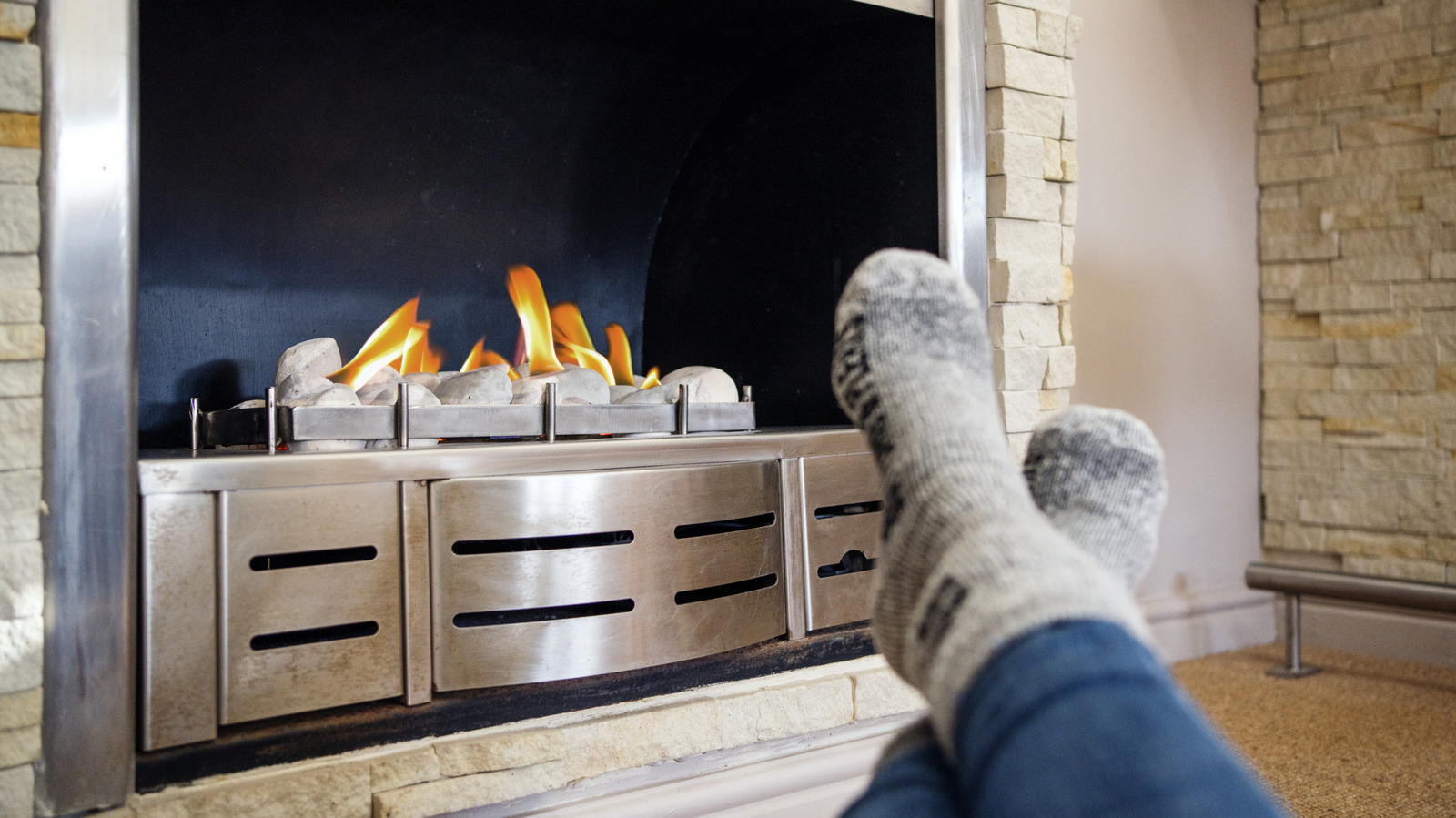
Having a gas fireplace in your home can be super handy during those bone-chilling winter nights. In many states, the temperatures drop way below freezing, and a fireplace is a reliable, efficient way to keep your home cozy without running your furnace nonstop. But it’s crucial to stay on top of gas fireplace safety, especially when the snow starts piling up. Following a few simple tips can keep your family warm and protected all season long.
Gas fireplaces produce carbon monoxide, even when they’re running normally. But when the temps drop to extreme lows, you’ll likely be using the fireplace more, which increases the risk of exhaust buildup if the ventilation isn’t clear. This can lead to dangerous indoor air quality or even carbon monoxide poisoning. To avoid this, make sure to keep the exterior vent clear of snow and debris, and monitor for carbon monoxide inside your home – a reliable CO detector is a must. And don’t forget to keep flammable items a safe distance from the fireplace.
How to keep your home safe with a gas fireplace
NMK-Studio/Shutterstock
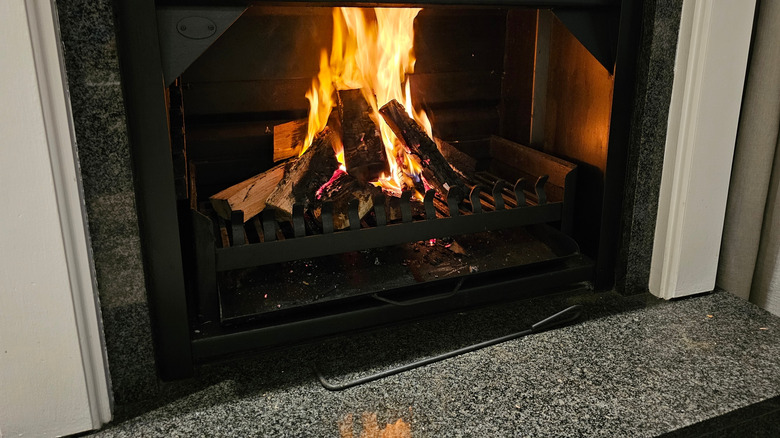
Having a gas fireplace is amazing when it’s freezing outside, but you need to stay vigilant, since there are some big safety risks to be aware of. Since your home is all sealed up tight during the cold snap, fresh air intake is limited, so any ventilation issues can become really hazardous, really fast. Make sure you have a working carbon monoxide detector on every floor, especially near the bedrooms. And if you start feeling dizzy, nauseous, or get a sudden headache while the fireplace is running, turn it off and get some fresh air – those are signs of carbon monoxide poisoning.
Extreme cold often comes with snow and ice, and the warm exhaust from the fireplace can create ice “stalagmites” that block the exterior vent. Regular snow buildup can also bury the vent, which is one of the most common causes of fireplace issues in winter. So it’s crucial to keep that vent clear, whether it’s on your roof, side wall, or somewhere else. A blocked vent can cause carbon monoxide to back up into your home, putting your family at risk.
Another winter hazard is small animals that are drawn to the warmth of the pilot light and may try to nest in the vent. So periodically check the terminal for any signs of life, debris, or blockages. It’s an extra important step for keeping your gas fireplace system running safely.
To make sure your fireplace is operating efficiently, keep an eye on the gas pressure entering your home. During extreme cold, demand for natural gas spikes, and if the pressure is low, your fireplace flames may look small, blue, or weak. Never try to adjust the gas valve yourself – that could be really dangerous. And if the fireplace isn’t lighting, don’t just keep clicking the igniter. Let the gas dissipate for 5 minutes before trying again. Even if it’s freezing, opening a window to get some fresh air can help get your fireplace ready for a cozy fire.
