

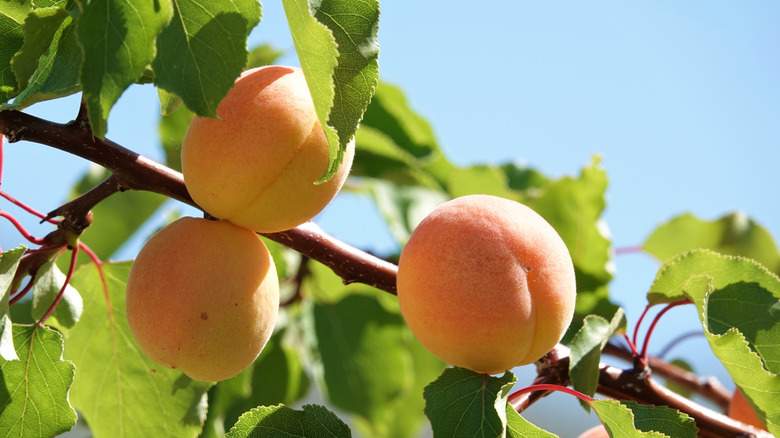
Apricots are juicy and tasty treats that give you a little burst of sunshine when you take that first bite. But there’s one variety that really stands out – the Blenheim apricot! This special kind is a favorite among home growers and orchard enthusiasts because of its incredible flavor. The Blenheim apricot (Prunus armeniaca ‘Blenheim’) is often celebrated as one of the most delicious apricot varieties you can grow. It thrives best in USDA hardiness zones 7 through 8, but with the right protection, it can even survive in zones 5 and 6. Blenheim apricots look a lot like other apricot varieties, with a gorgeous golden-orange skin blushed with rosy hues. They make amazing jams, preserves, and sun-dried snacks that you can enjoy year-round. When cared for properly, the Blenheim apricot tree puts on a stunning show in spring, with elegant pink and white blossoms that have a lovely sweet fragrance. By summer, those blooms turn into picture-perfect, full fruits that are an absolute delight. Whether you’re a first-time fruit tree grower or adding to an established orchard, the Blenheim apricot is a delicious choice that’s well worth the effort. Sevil Azeri/Getty Images
Caring for a Blenheim Apricot tree for a quality summer harvest
 JULIA Culp/Shutterstock
 If you want a bountiful Blenheim apricot harvest, there are a few key things to keep in mind. First, choose the right location – you’ll want full sun exposure for at least 6 hours a day, and good air circulation around the tree, but protection from strong winds. This combination of sunlight and airflow helps promote healthy flowering. The soil should also be fertile and well-draining, with a neutral pH.
Once your tree is planted, consistent watering is essential, especially during the root development stage. At first, you’ll want to give it deep, thorough soakings every month until the leaves start to bud. Adding a few inches of mulch around the base can help retain moisture. When the tree is fruiting, you’ll need to water it weekly. After the first year, be careful not to overwater during the dormant season.
Proper pruning is also important for getting the best Blenheim apricot harvest. These trees are prone to frost damage, so it’s best to prune them after bud break. Unlike many other apricots, Blenheim is self-pollinating, but cross-pollination can boost your fruit yield.
Things to look for when harvesting your Blenheim Apricot
 Sundry Photography/Shutterstock
 When it’s finally time to harvest your Blenheim apricots, you’ll want to keep a close eye on your tree. These fruits have a relatively short harvest window, so you’ll need to act fast to get the best ones before the birds and other wildlife beat you to them. Typically, you can expect to harvest for just a few weeks, usually between late June and early July.
To know when your apricots are truly ripe, look for fruits that have developed a rich, uniform golden color with a rosy blush. They should also give a little under gentle pressure. If they’re still rock hard, let them go a bit longer. Another good sign is a lovely, honeyed fragrance. But don’t wait too long – if you pick them too late, they’ll be overripe, soft, and prone to splitting. Blenheims don’t store well, so you’ll need to eat them within three days of harvest or preserve them right away.