
Tomasz Klejdysz/Shutterstock
We may receive a commission on purchases made from links.
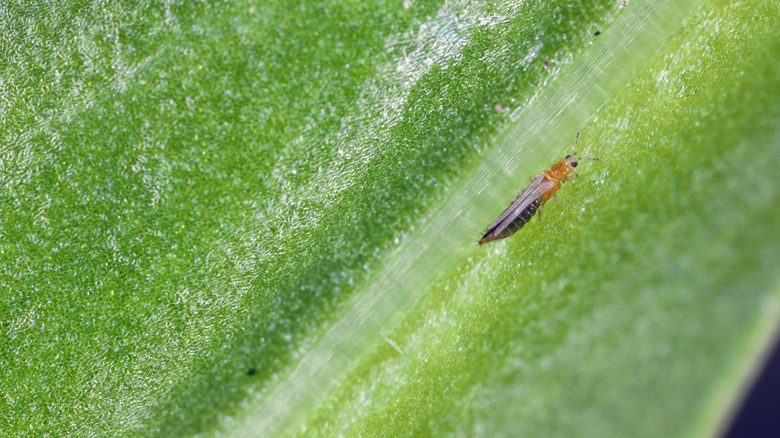
Oh man, thrips are such a pain – these little bugs are super hard to spot, but they can really do a number on your plants. They lay their eggs on unplanted bulbs, and they reproduce like crazy, so they’re a total hassle to get rid of. If you don’t take care of them, they’ll munch on your plants until the blooms and fruit look all messed up. You might even see some brown spots or silvery streaks on the leaves where they’ve been feasting. Bummer, right? But no worries, you can use some common household cleaners like dish soap or Lysol to wash off the thrips larvae and stop future infestations before you even put your bulbs in the ground.
You can definitely do some things to prevent thrips, but you’ve gotta act fast as soon as you get those bulbs. Whether you bought them from the garden center or dug them up after last season, it’s important to stay on top of thrips. One good trick is to store your overwintering bulbs at 35 to 40 degrees Fahrenheit for a few months – this will knock out any pest larvae, including thrips. And when it’s time to plant, you can give your bulbs a bath in some insecticidal soap or a Lysol solution to keep those pesky thrips out of your garden all season long.
Prevent thrips from infesting your bulbs with soap or Lysol

Nat YS/Shutterstock
Insecticidal soap is a great way to keep those pesky thrips from taking over your garden. But you can’t just toss your bulbs in some dish soap and call it a day. You’ve gotta make a proper solution with insecticidal soap and water. The soap is made from potassium salts and fatty acids, and to treat your bulbs, you’ll want to mix 1 tablespoon of the liquid soap into 1 quart of water in a spray bottle. Give it a good shake and then spray it all over your bulbs, including any that are already sprouting in the garden. Do this treatment, wait 3 days, and then reapply. If you’d rather not use insecticides, you can try some gentle alternatives like Castile soap or regular old dish soap – stuff you might already have in your kitchen or bathroom.
Soaking bulbs in Lysol can also help kill off thrips and their larvae, but it’s only recommended for certain types like gladiolus, ranunculus, and anemones. For most other bulbs, like daffodils, dahlias, and tulips, soaking is a big no-no. If soaking is an option, do it as soon as you dig up the bulbs in the fall. Mix 1 tablespoon of Lysol into 1 gallon of water, soak the bulbs for a few hours, then let them dry completely before storing them somewhere dark and well-ventilated for the winter.