PeopleImages/Shutterstock
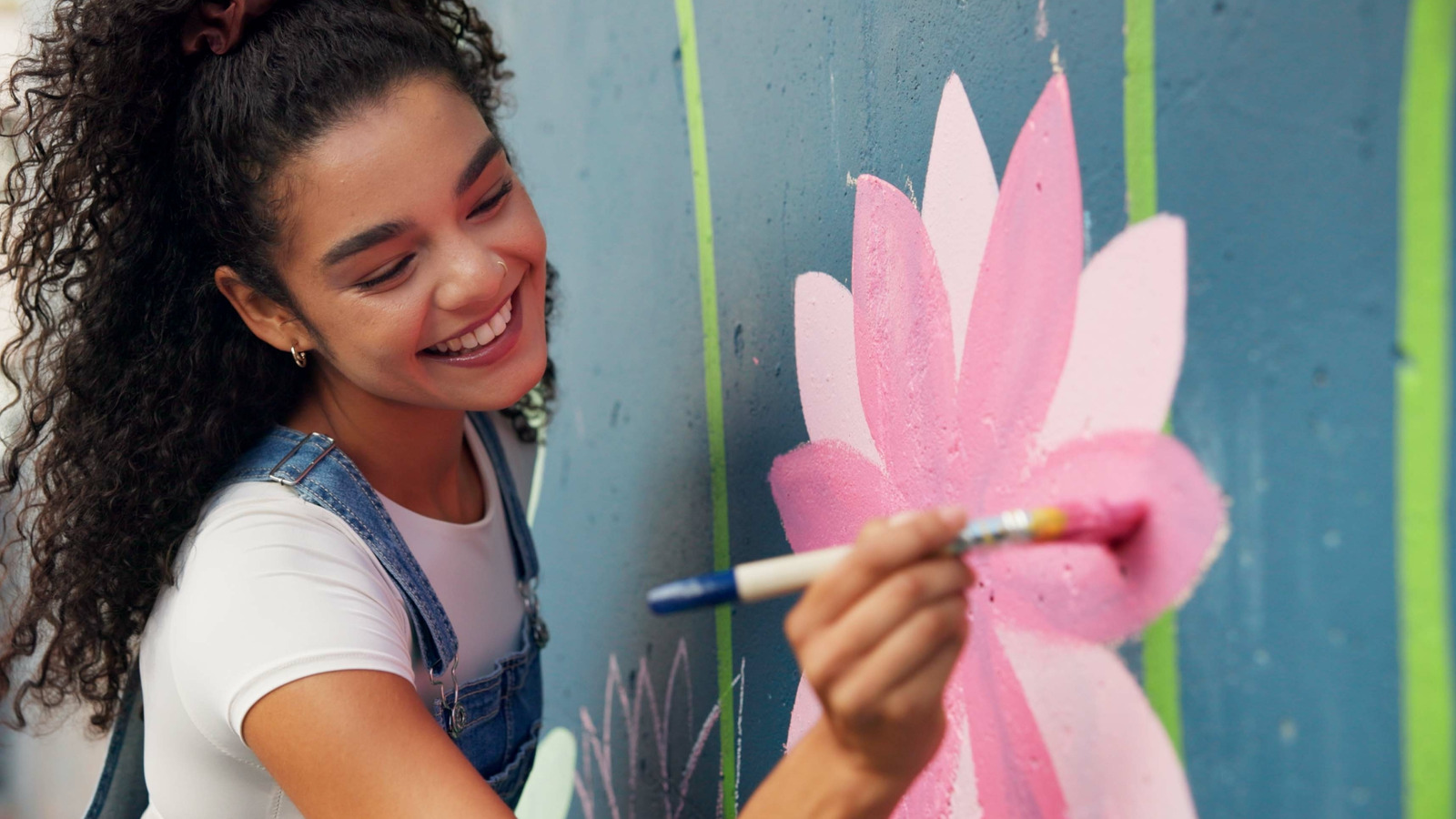
These days, lots of folks are looking for cozy yet artistic home decor. And custom murals are really having a moment. But getting the scale right is the key to making it look awesome. There are two main types of custom murals – custom wallpaper and painted murals. For wallpaper, you just pick a design on the company website and they ship it ready to hang. But if you’re more of a creative type, you might want to paint your own mural instead of hiring an artist. This can save you some cash, although mural artists charge a lot for good reason. Scaling up a design takes real time, effort, and skill. But don’t worry, there are some tricks to make it easier, like sketching it out first and using a grid or projector.
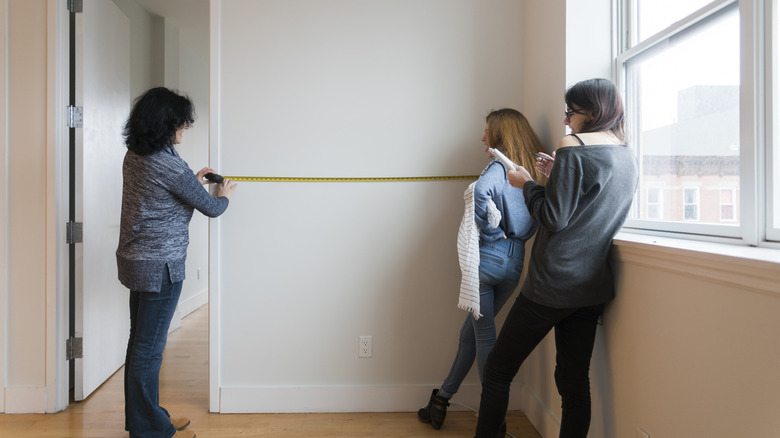
When planning a custom mural, you need to think about two main aspects of scale. First, the overall scale of the mural in relation to the space. How will the art look in the room and how will the design elements work together? Second, scaling the individual elements to fit the wall properly. Getting both of these right is crucial for a polished, professional look. By nailing down your vision and taking precise measurements, you can master the art of scaling, no matter the size of your mural.
Choosing the scale of the mural itself
Alex Potemkin/Getty Images
Choosing the scale of your mural is about more than just the overall size. It’s about how each design element fits the space. Do you want to make a bold statement or create a sense of openness? For a bold, abstract look, go big with a large-scale mural that dominates a dedicated area, like an accent wall. These designs usually focus on a single supersize element like a plant, animal, or person. Abstract murals are more subjective, but you still don’t want it to overwhelm the room.
On the other hand, if your goal is to open up the space and promote harmony, a landscape or doodle-style mural might work better. These types of designs use negative space and perspective to make the room feel bigger. The key is finding the right balance – each element should have enough breathing room without looking crowded. For example, if you’re painting a single focal point, leave plenty of empty space around the edges. And use perspective to make the design recede into the wall.
Scaling your design for the perfect fit

~usergi15613517/Getty Images
Once you’ve decided on the overall scale of your mural, the next step is to scale your design to fit the wall perfectly. For custom wallpaper, this is pretty easy – just make sure you have the right measurements and follow the installation instructions. But if you’re painting your mural, scaling can be trickier to get the proportions just right.
Sketching out your design on paper first is a great idea. Not only will it help you visualize the final look, but you can use the sketch as a guide to get the scale just right when you transfer it to the wall. You can either freehand the mural or use a grid or projector system. Freehand is best for more abstract designs that don’t need precise measurements. A grid is more precise, but way more time-consuming. Draw a grid on your paper design, then measure out the same grid on the wall and paint each section. Or use a projector to cast the design straight onto the wall – faster but may need some adjusting to get the scale perfect.