Building a spacious deck onto your home is a fantastic way to expand your entertaining space, whip up delicious outdoor meals, and kick back with a good book under the open sky — plus, it bumps up your home’s value and enjoyment. But if carpenter bees call your neighborhood home, you might worry that building, upkeeping, and fixing a deck or wooden fence sounds like more trouble than it’s actually worth. Luckily, treatments like almond oil can help tackle the problem. Or, if you’re starting from scratch, why not build your fence or deck from materials that carpenter bees just don’t dig? They really don’t like boring into composite decking or metal trim and flashing, so using these can seriously cut down on bee damage. Another smart move? Go with a metal fence instead of wood. Similarly, if you’re thinking about building a fence, starting off with composite or metal is your best bet. Using pesticides outside can hurt way more than just carpenter bees — it can also harm the helpful insects like regular bees. Plus, you’ve got to keep kids and pets away from freshly sprayed pesticide until it’s totally dry. When you look at all the factors, alternative materials just make way more sense.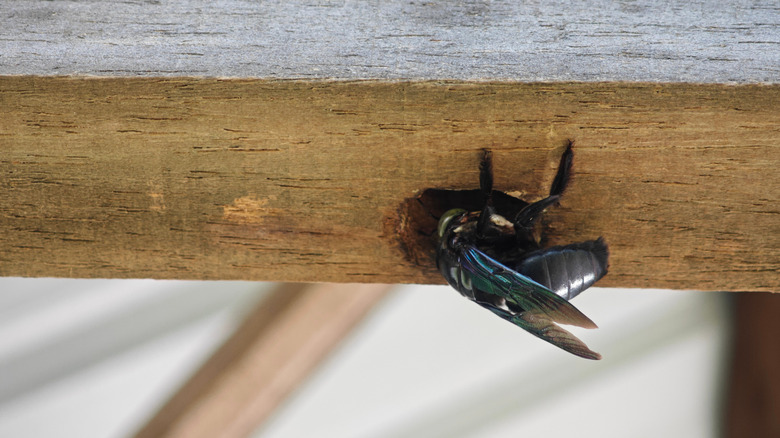
Keep Carpenter Bees Away From Your Wood Patios And Gates By Picking Different Materials
Materials that might stop carpenter bees in their tracks
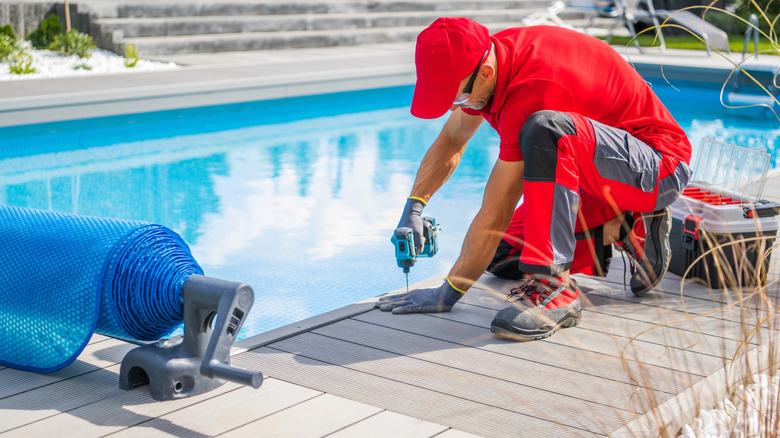
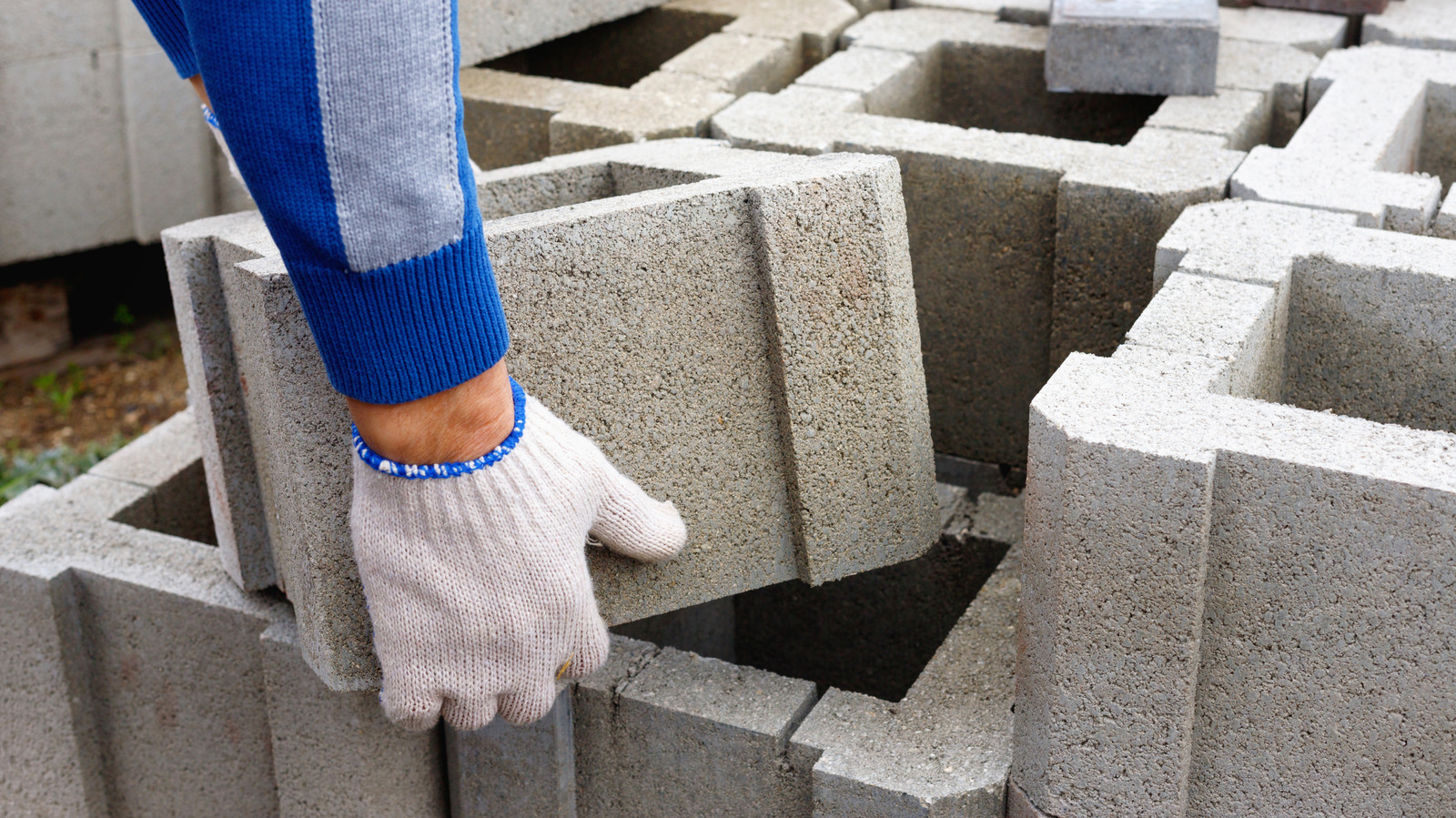
Carpenter bees really go for soft, weathered wood when they’re digging their nesting tunnels. They tend to steer clear of hardwoods, wood coated with oil-based paint, and pressure-treated timber. That said, if options are slim — especially early in spring — they’ll bore into those too. Composite materials blend plastic (usually polypropylene or polyethylene) with wood fiber, and different brands mix these ingredients in different amounts. You can use this tough stuff to build both decks and fences. Since plastic gets mixed into the wood fiber, the resulting planks end up way denser than standard or pressure-treated wood. Plus, composite boards don’t break down as fast as real wood, which makes them way less appealing to carpenter bees.
Going totally metal with your deck or fence? Carpenter bees will leave it completely alone — they simply can’t chew through metal. If swapping out your wooden deck or fence isn’t doable right now, you might be able to keep those pesky wood-borers away and shield your timber by putting up wire screening or metal flashing. Flashing does double duty: it keeps water out and stops rot, but you can also use it to seal up exposed joints and raw edges that carpenter bees find irresistible. If your existing fence or deck’s already taken a beating from these wood-chewing pests, get a pro to handle any old nest holes before you slap on any protective metal covers.
Alternative materials might not be totally off-limits to carpenter bees
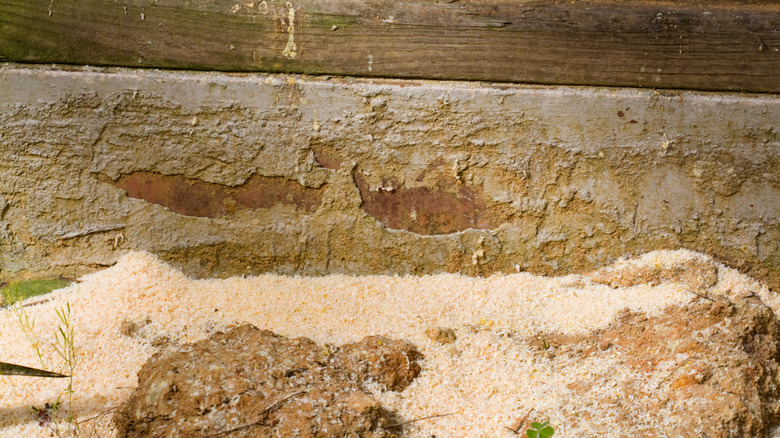
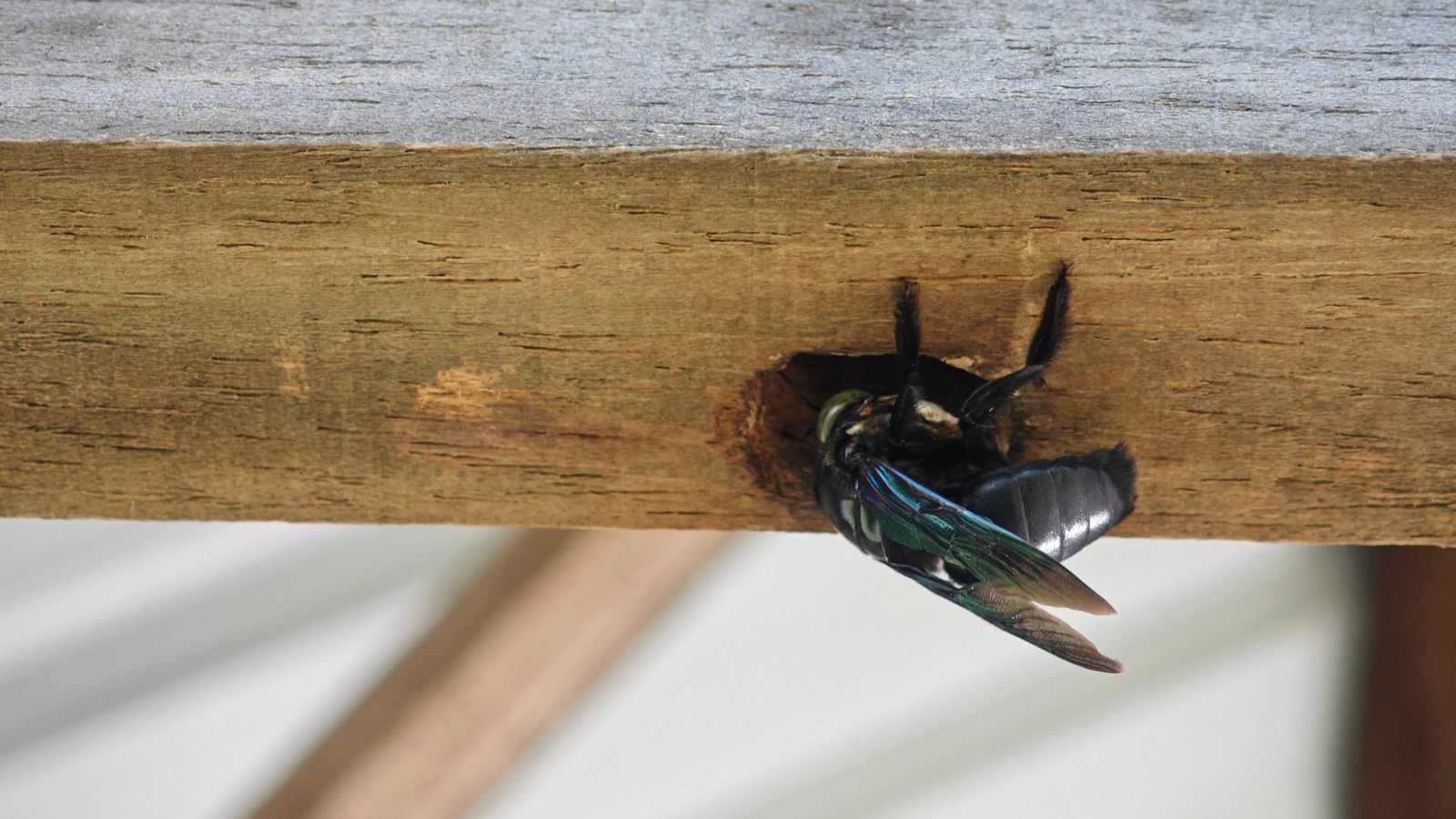
Even with alternative materials on your fence and deck, you might still run into some carpenter bee trouble. Spotting tiny sawdust piles near your composite deck or fence? That could mean carpenter bees are tunneling into it. Similarly, a persistent carpenter bee can find its way past metal flashing or wire screens on a wooden fence or deck — especially if it’s trying to expand an older nest. To really lock things down and keep those bugs out, you’ll want to secure that metal super tight against the wood, with absolutely zero gaps for them to squeeze through.
Got metal coverings or a composite fence already set up but still dealing with carpenter bees? Time to switch tactics with a two-part strategy. You might be able to lure them elsewhere — and this trick works just as well on fences. Set out some untreated softwood blocks, planks, or logs with a few holes drilled in them in sunny spots around your yard. These act as decoy nesting spots, pulling carpenter bees away from your deck or fence. You could also hang a handful of fake wasp nests nearby. Carpenter bees steer clear of areas close to wasp nests because wasps hunt them. You can either stuff some paper bags with air to make your own nests or grab a four-pack of ready-made ones for around $14.