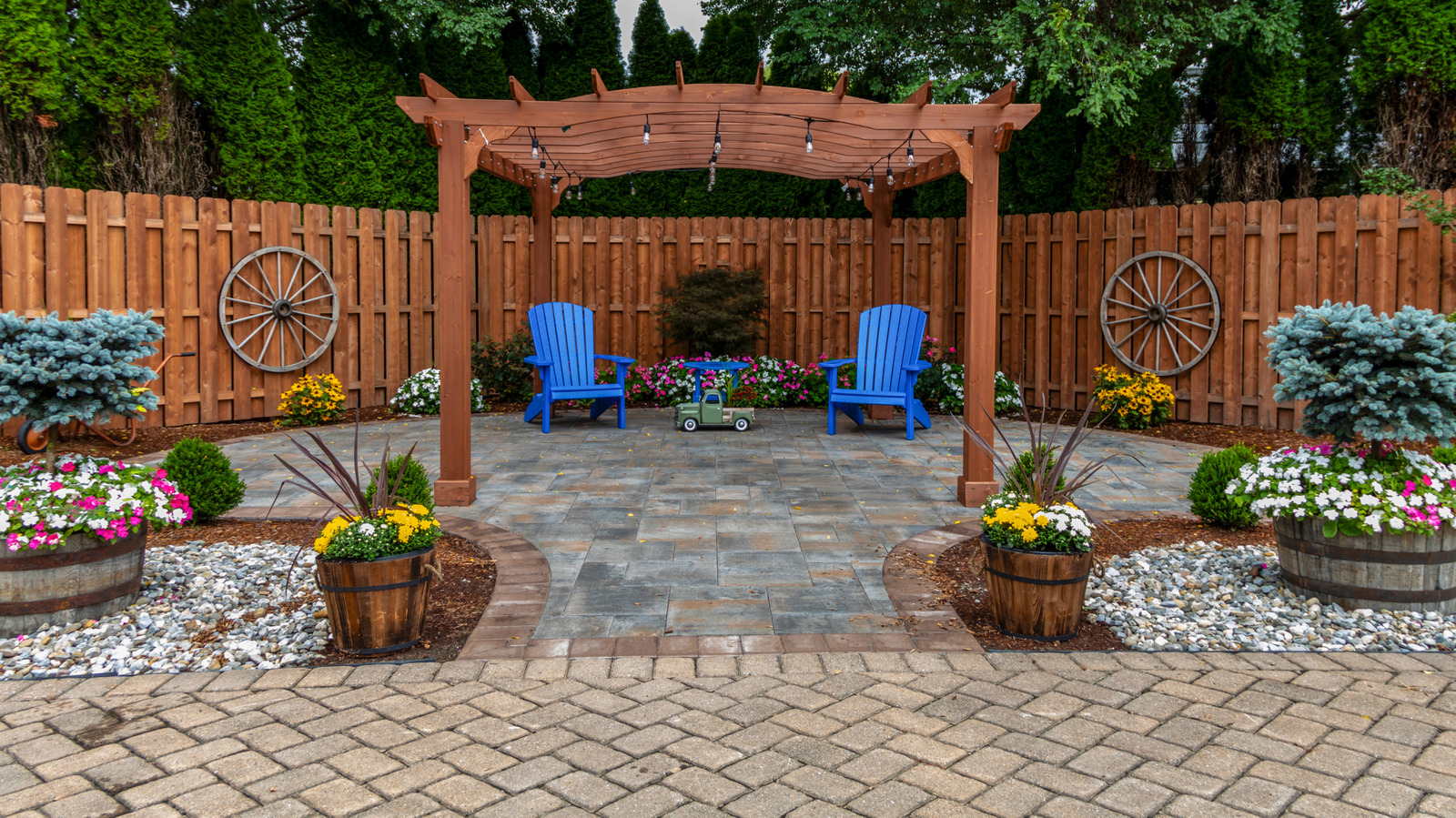
You’ve got tons of options when it comes to sprucing up driveways, walkways, and patios, but pavers? They’ve got that special something. You can find pavers in all sorts of colors, textures, and materials—from budget-friendly concrete to brick, flagstone, and even marble. Pick the right pavers and they’ll look amazing at first, but here’s the thing: even the most gorgeous, vibrant colors will eventually fade. People used to rely on solvent-based sealers, but nowadays, water-based versions are way more eco-friendly. Here’s the problem: most pavers (except for stuff like porcelain) are pretty porous. When summer rolls around, those intense UV rays from the sun can fade your pavers. And when it rains? Moisture seeps into the surface and creates a cozy home for algae and moss. Without protection, your pavers are also sitting ducks for stains from dropped food, spilled drinks, sunscreen, and whatever else ends up on them. After you’ve invested time and cash into your pavers, you definitely don’t want to deal with these headaches. The fix? Seal that porous surface. The catch is that solvent-based sealers come with some real downsides. For starters, they’re packed with volatile organic compounds (VOCs) that aren’t great for Mother Earth. Plus, they kick off some seriously strong fumes that could mess with your breathing if you’re exposed for too long. The good news? Water-based paver sealers can help you dodge both those problems. Rabbitti/Getty Images
Why water-based paver sealers are the smart choice for your patio
 Pressure Washing Photos/Shutterstock
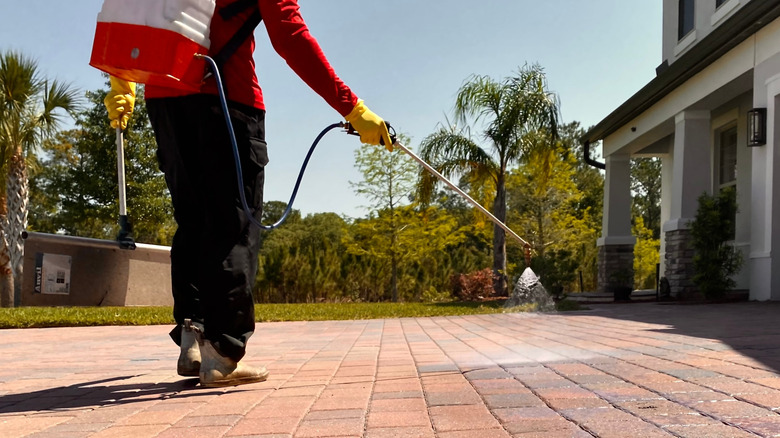
 Whether you’re building a brand-new patio or you’re dealing with some aging pavers, modern water-based sealers can do everything solvent-based versions do—minus all the bad stuff. Water-based paver sealers are low in VOCs or sometimes totally VOC-free. They smell way better, are less toxic overall, and that means they’re safer for you to work with. Once they dry or cure, they’re also safer around your kids and pets. And here’s a bonus: cleanup is super easy. Just rinse your spray equipment or rollers with water instead of hunting down special solvents.
You might notice a big difference in how things look. Solvent-based products typically coat the surface and leave that glossy, wet appearance. Water-based options, on the other hand, soak in deep and usually keep your pavers looking natural. If you want something different, you can grab finishes like satin or semi-gloss if that’s your style. One annoying thing that can happen with solvent sealing? Hazing—that milky, white look from moisture trapped underneath. You won’t see that nearly as often with water-based sealers. They do their job protecting your pavers without suffocating the material, so air can still flow through.