
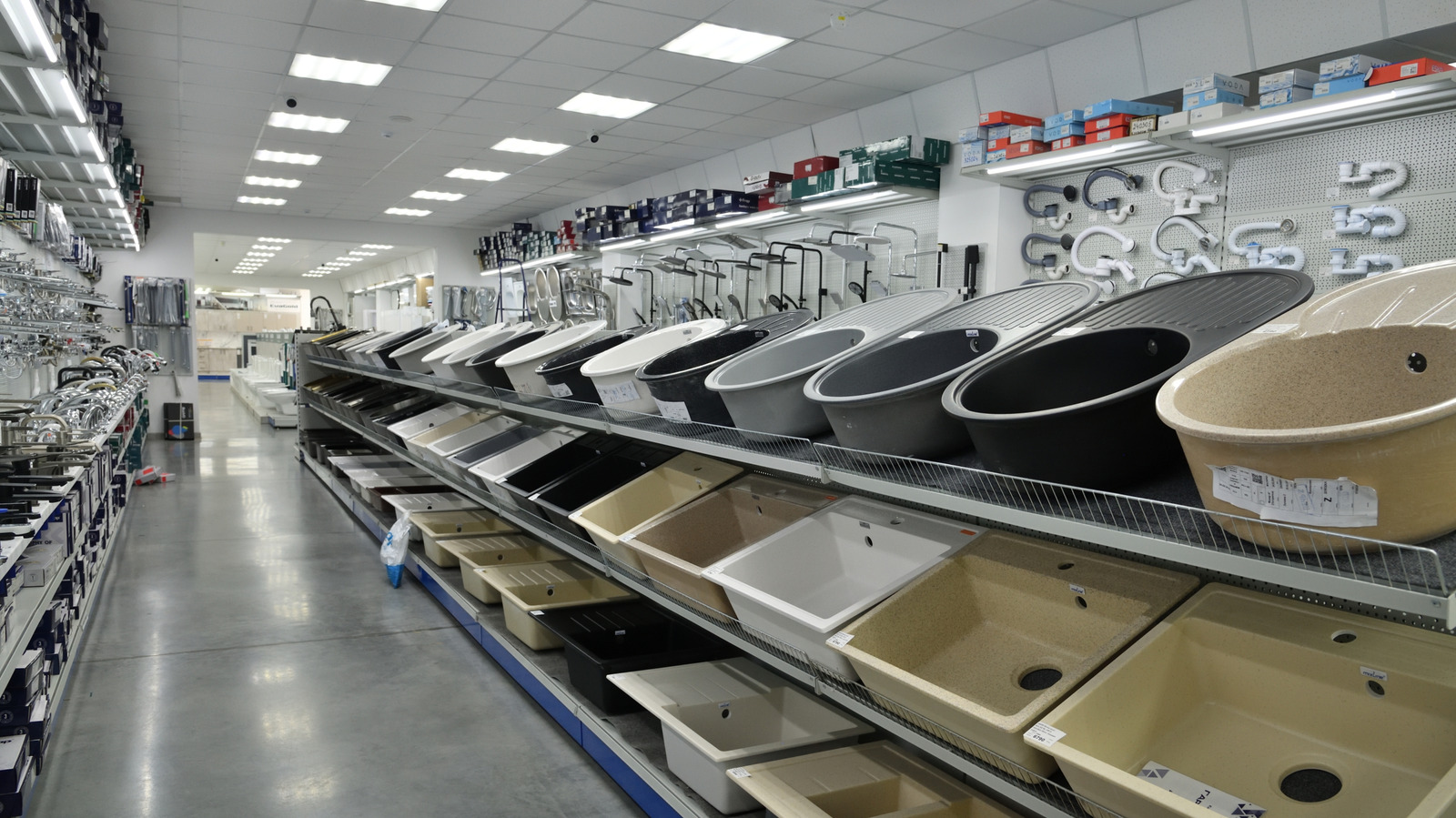
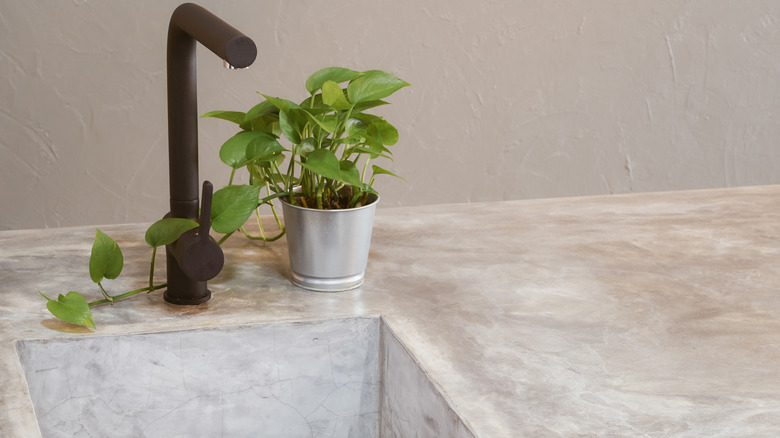
We may receive a commission on purchases made from links. A brand new sink can really liven up your kitchen, making it more functional and stylish. And you know what they say – a fixture that pulls double duty is always ideal, right? While affordable stainless steel is the most common sink material, there are some other cool options worth considering, like concrete. Yep, concrete isn’t just for bathrooms anymore. It’s tough, versatile, and surprisingly elegant, so it can work with all kinds of kitchen designs – from rustic and industrial to eclectic and farmhouse. Concrete sinks come in a wider variety than you might think – from chef sinks and farmhouse styles to under-mount and single basin models. The material is pretty fluid, so it can be molded into just about any shape. And in some cases, the sink even flows seamlessly into a matching concrete countertop. Most concrete sinks stick to the raw, natural color, but you can also tint it pretty much any shade using pigments mixed right into the concrete. BestPhotoPlus/Shutterstock
Why choose concrete? The many benefits of these sinks
 Jamesteohart/Getty Images
One big perk of concrete sinks is their durability. Concrete is super tough stuff, able to withstand all kinds of abuse – from heavy daily use to wild weather. It’s resistant to scratches, stains, and heat, as long as it’s properly sealed and maintained. You can expect a well-made concrete sink to last for 30 years or more before needing replacement.
Concrete hasn’t always had the best eco-rep, mostly due to the environmental impact of its production. But these days, many concrete sinks are made using recycled materials or locally sourced natural ingredients in a more eco-friendly way. Plus, the long lifespan of concrete sinks is great for the planet – they last a really long time, so you won’t be constantly replacing them and contributing to waste.
Of course, all that high-quality craftsmanship comes at a cost. Concrete sinks tend to be pricier than other materials, with prices typically starting in the low thousands. But when you factor in the long-term durability, the investment can pay off over time.
Caring for your concrete kitchen sink
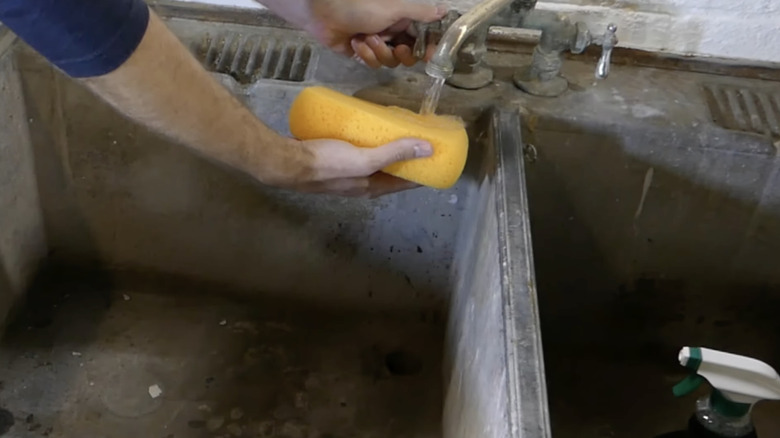
Keeping a concrete sink looking its best takes a bit more work than some other materials. Since the surface can stain easily from common kitchen stuff like tomatoes, wine, oil, and citrus, you have to stay on top of cleaning and sealing it. Avoid letting those staining culprits sit in the sink for too long.
Resealing the concrete is key to protect the surface and prevent staining. How often you need to reseal depends on how much use your sink gets. If you start seeing dark spots forming, reseal it within a month to stop permanent damage. For a more natural approach, you can wax the sink twice a month with a product like concrete wax.
Stick to mild cleaners like soap and water or household vinegar when cleaning your concrete sink. Harsh detergents can strip away the sealant or wax coating. And if you do end up with stubborn stains, you can try sponging on some diluted ammonia, letting it sit for a bit, then scrubbing with a stiff brush and rinsing.