Looking for creative garden path ideas? Pavers are a fantastic choice—they’re affordable, super DIY-friendly, and way more forgiving than permanently installed pathways like concrete slabs. If one breaks, you just swap it out instead of redoing the whole thing. Here’s the cool part: you can make your own concrete pavers and get crazy with the design. Want a rustic tree stump vibe? Totally doable! These projects deliver a charming tree stump path that’ll last forever—no decay issues here. Just pour concrete into rounded shapes, then use a woodgrain stamp on top to add that authentic texture. Or go another route and pour concrete straight into tree stump-shaped molds. The neat thing is that the stamps, molds, and paint are your biggest expenses. The pavers themselves? Super cheap. You can grab 60 lbs of concrete mix at Home Depot for around $5. This stuff is perfect for this project because it won’t break the bank and you can find it anywhere.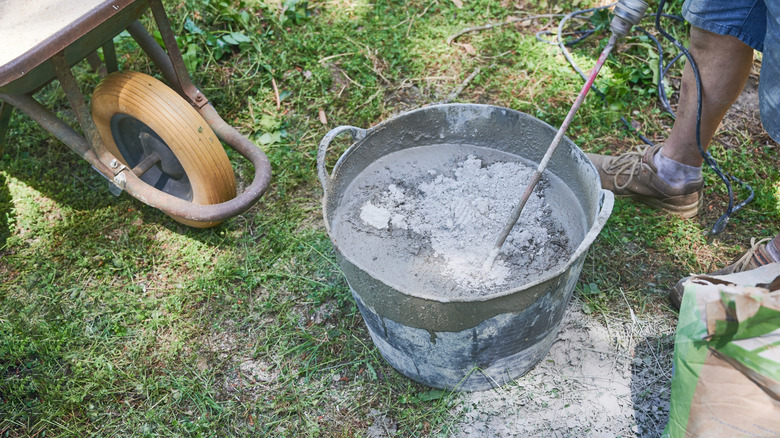 Itxu/Shutterstock
Making your rustic tree stump pathway pavers
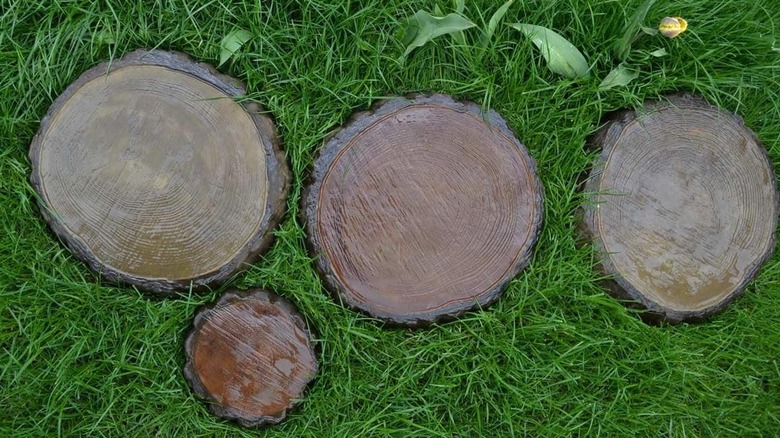
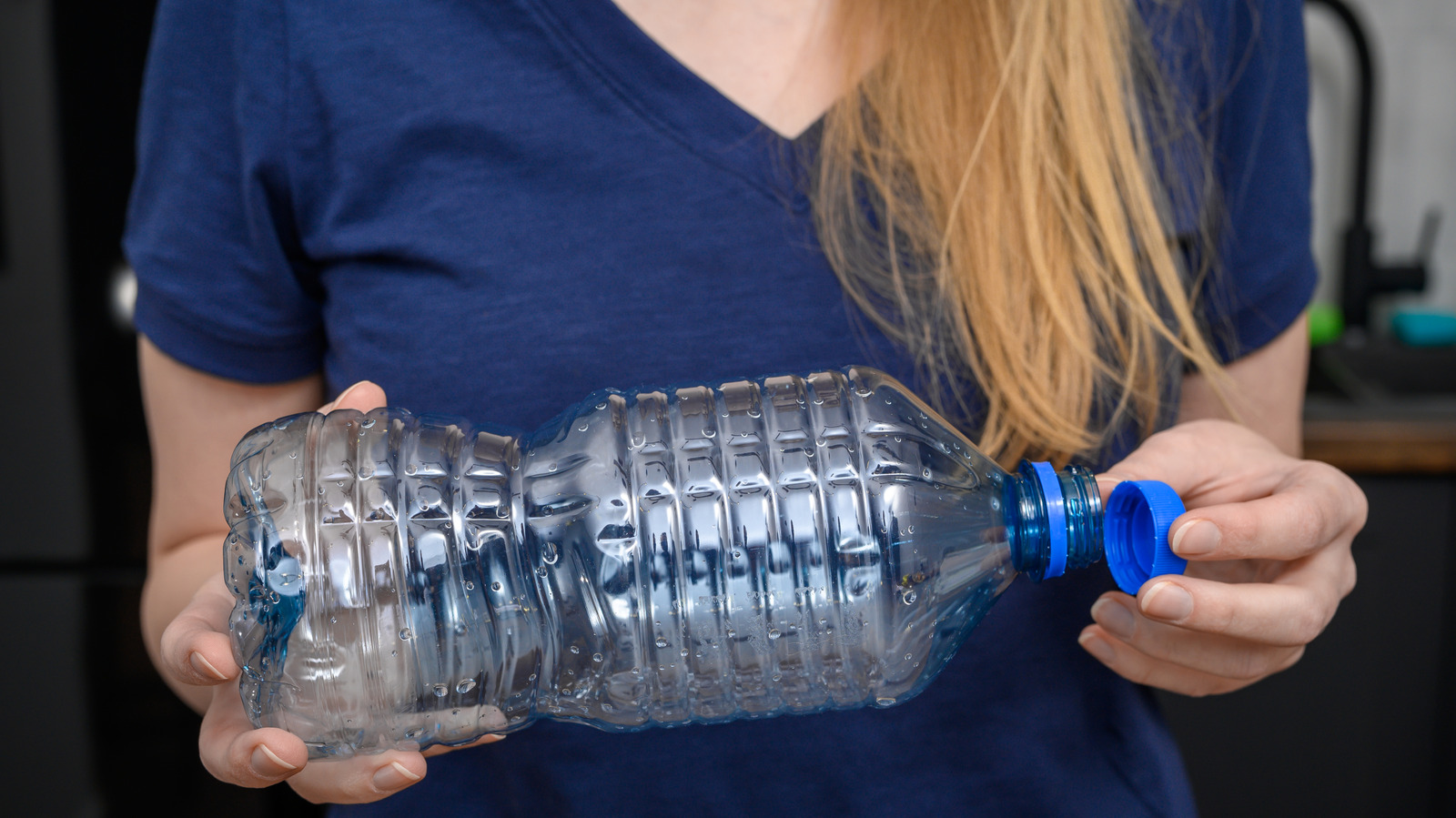
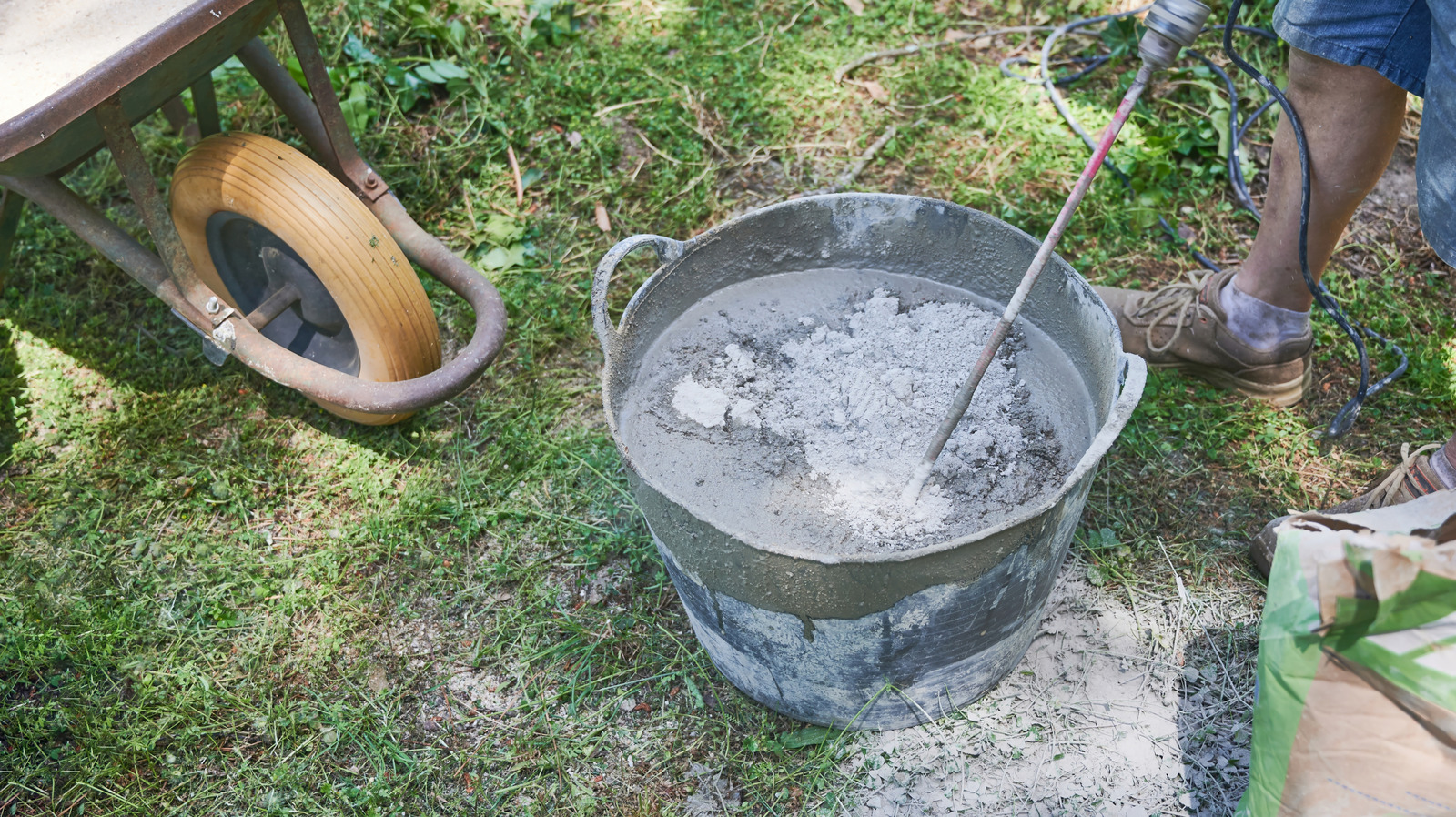
Honestly, you don’t need fancy molds or special equipment to pull this off. Really, all you need is something to shape the base and a rubber mat with woodgrain texture to stamp into the cement. A five-gallon bucket or even an old planter works great as a round mold. You could even use smaller containers for trunk-like shapes. Mix your concrete following the bag’s instructions and pour it into your forms. After an hour or two, grab a rubber mat and get stamping. Press the stamp nice and even into the concrete for a couple seconds. Mess up? No problem—just smooth it out with a trowel and try again. Let the pavers cure completely before popping them out of the mold. Want something simpler but similar? Use rubber molds instead. With this approach, you just mix the concrete, pour it, and wait for it to fully cure.
Once your concrete is totally dry, grab some concrete stain or paint to add those wood-colored touches. If you’re going with stain, start by cleaning the concrete and putting on an etching solution. Then apply your stain, let it dry, and seal it up. For that natural look, use a darker stain in the crevices and a lighter shade on the main surface.