Ksenz-E/Shutterstock
Wooden cutting boards are so old-fashioned these days. Plastic boards have taken over kitchens everywhere, and for good reason – they’re way cheaper and come in all sorts of fun colors. But now we’ve got a new dilemma – which type of plastic is best? LDPE or HDPE? These two materials act pretty differently in the kitchen.
LDPE boards are light and flexible, making them easy to store and take with you. HDPE boards are heavier and sturdier, so they’re better for heavy-duty chopping tasks and will last longer. The difference comes down to how they’re made – LDPE has a lot of space between its fibers, while HDPE has tightly packed fibers, giving it more density and strength.
Why HDPE plastic cutting boards might be the way to go
Magone/Getty Images
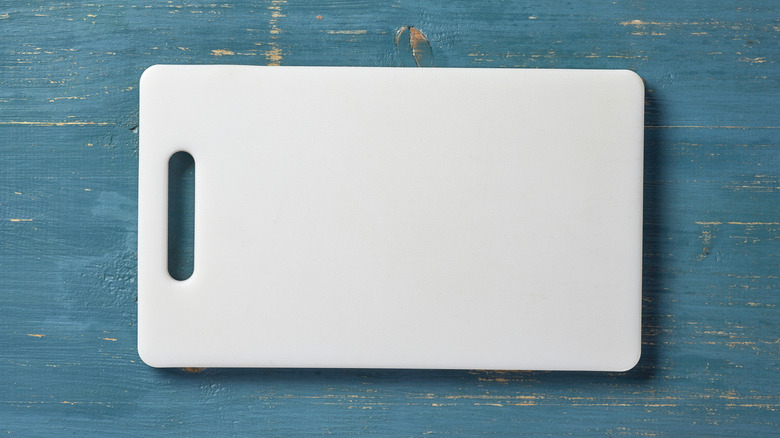
HDPE boards are way more resistant to damage from chopping, dicing, and all that heavy-duty kitchen work. While no plastic is immune to cuts and scratches, HDPE holds up way better over time. This makes them a safer option too – fewer grooves and crevices for bacteria to hide in. Plus, less plastic scraping off means less of those pesky microplastics ending up in your food. HDPE boards also don’t stain as easily and can handle the heat of the dishwasher better than LDPE. All in all, HDPE just seems like the smarter, more durable choice for most home kitchens.